
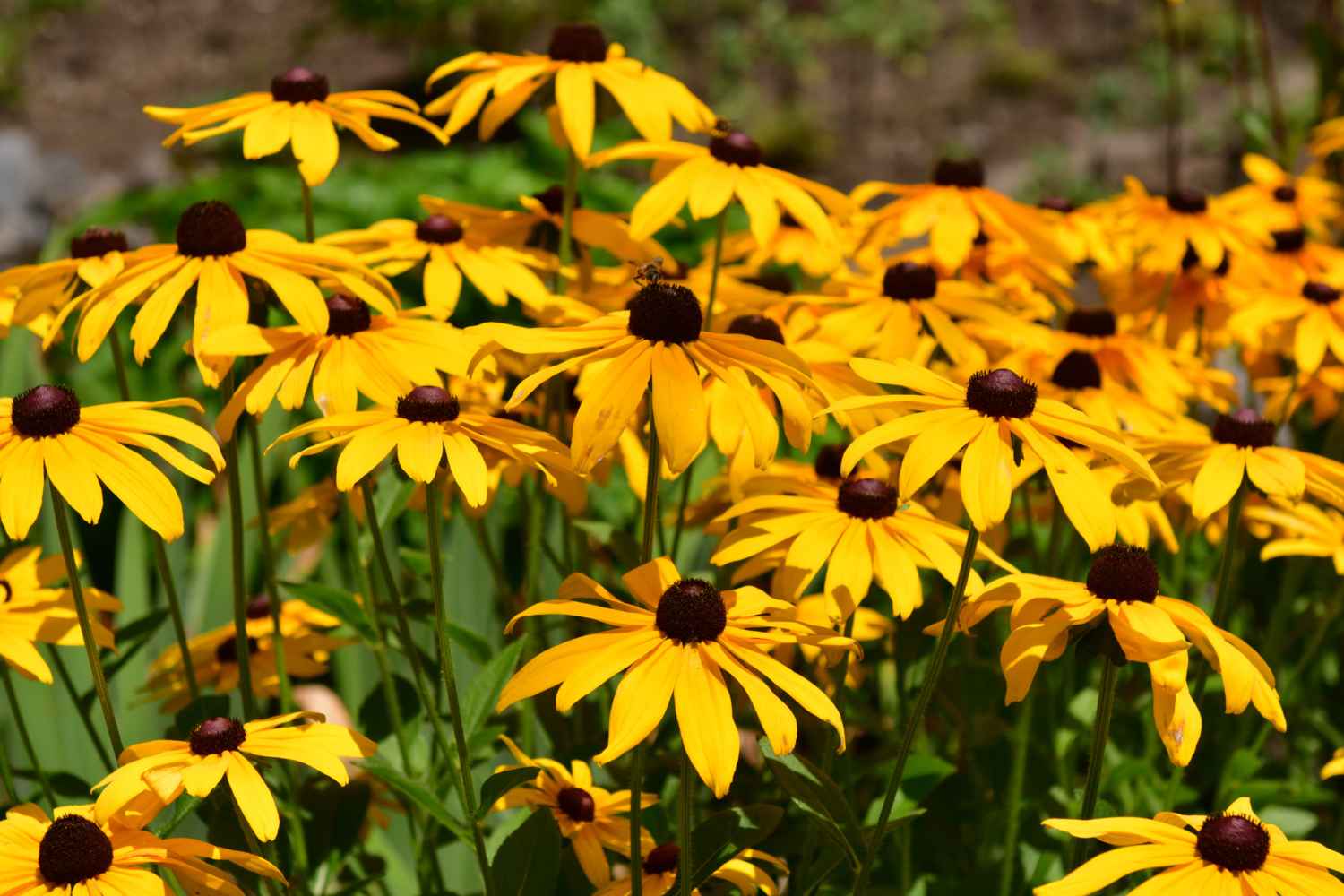
©Imageforge/123rf
When we think of a garden at the end of summer we most likely imagine it full of these magnificent flowers that look so much like daisies. They are actually closely related to the sunflower family. It is a very rustic and extremely resistant species. The Rudbeckia or black-eyed Susanna (Rudbeckia hirta) it is in fact part of the family of Asteraceae .
In fact it is a wildflower and therefore for a long time snubbed by plant and garden lovers. But garden design has also undergone a revolution in terms of tastes. Compared to the past, a garden with a natural and rustic, almost uncultivated appearance is now more preferred. Here species of this type finally find their place in the panorama of favorite plants for decorating green spaces.
Gravel gardens are desolate expanses of “death”, the tricks to transform them into an oasis of biodiversity
An ecological and sustainable choice
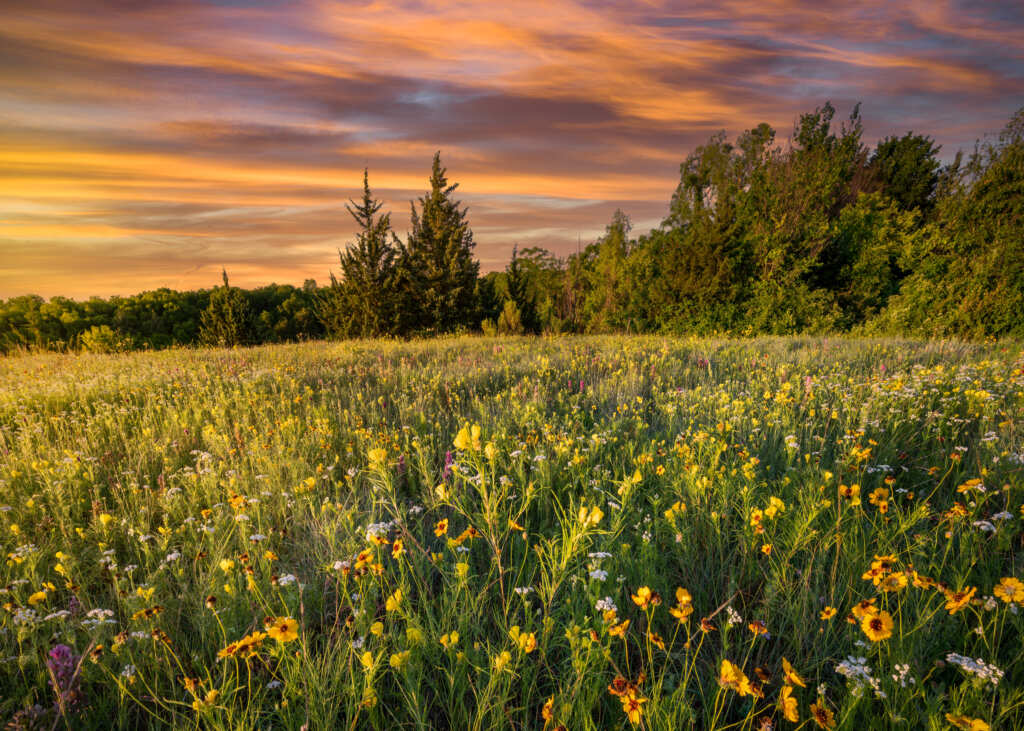
Driving the success of rustic species like Rudbeckia is not only a different aesthetic sense but also some considerations that have to do with sustainability and biodiversity. We must know that choosing wild plants for our gardens means choosing plants that are much more resistant to both parasitic attacks and more difficult climatic conditions. By nature they have developed all the characteristics to survive the external environment without having in any way been “domesticated” by man. Here are just some advantages of field plants:
Another aspect that has contributed to its popularity is its ecological value. Leaving some dried flowers on the plant during autumn and winter allows it to offer a source of nourishment to the birds that feed on the seeds, as well as encouraging spontaneous dissemination. In a garden designed for biodiversity, Rudbeckia can be combined with other species that ensure scalar blooms throughout the year, creating a richer and more hospitable environment for numerous organisms.
Perfect for low maintenance gardens
In recent years, Rudbeckia has become one of the protagonists of low-maintenance gardens, an increasingly widespread approach that aims to create green spaces capable of better adapting to the climate and requiring less intervention. Its ability to resist heat, periods of drought and imperfect soil also makes it an interesting choice for those who want a more natural garden that is less dependent on frequent watering and chemical treatments.
However, this does not mean abandoning the plant completely: in the first years after planting, regular irrigation will be necessary to encourage good development of the root system
Rudbeckia flowering
The flowering of Rudbeckia is one of its strong points: in many varieties it begins during the summer and can continue until late autumn. Despite being an annual or biennial plant, given the abundance of seeds it leaves on the ground, every year we will always see new plants born. They also have the ability to attract many birds that work as hard and more effectively than many pollinating insects. In fact, during the flight, they sow, helping to create a full and flowery garden.
To increase the birth of flowers, prune them as soon as they fade. At the end of summer we carry out an abundant cleaning of the old branches and leaves to push the plant to flower again in full autumn. Also, this is the best time to take seeds and plant them the following year. Otherwise we can plant them immediately in a pot to see the first shoots appear at the beginning of the summer.
The variety of species
Thanks to the ever-increasing appreciation it has received, many varieties have been created, it seems like over 25. But we have seen how its ability to self-reproduce leads it to cross with many plants, thus creating a multitude of variations.
Today there are many selected varieties of Rudbeckia that allow you to choose between different shades and sizes. Alongside the classic yellow flowers with a dark center, there are cultivars with warmer colours, with orange, red and copper shades, ideal for mixed flowerbeds and borders. This great variety, combined with the simplicity of cultivation, makes Rudbeckia a plant suitable for both expert gardeners and those approaching greenery care for the first time.
How and how much to water Rudbeckia
We mentioned how its rustic character also makes it particularly resistant to drought. In fact, you have to be very careful about water stagnation on the ground which can easily favor the onset of powdery mildew, a fungal disease which arises precisely with the lack of aeration of the land and therefore the stagnation of humidity. It is therefore advisable to plant or sow the plants 30 cm away from each other and leave the earth at the base as free and clean as possible so as to irrigate from below and not by rain from above. The water on the leaves actually favors the development of the fungus.
Exposure
Rudbeckia plants are planted in a sunny or slightly shaded place. These plants prefer direct light and are not afraid of the cold, making them suitable even for areas with very harsh winters. They do not suffer from the summer heat and tolerate environmental pollution well, which makes them ideal for those looking for rustic plants capable of adapting and resisting even in prohibitive conditions.
What is the ideal terrain
Rudbeckias are very vigorous plants that grow without difficulty even in common garden soil, but prefer rich, well-drained soil. They can be grown in pots for convenience or necessity, but it is essential to use excellent quality soil to obtain satisfactory results. It is important to fertilize rudbeckias periodically, especially in spring at the beginning of growth.
The use of a draining soil, enriched with a good quantity of pumice stone or medioperlite, is essential. These inert materials improve the structure of the soil and facilitate water drainage, preventing stagnation which could cause dangerous root rot.
How to multiply Rudbeckia
The multiplication of rudbeckias occurs by seed, which can be planted directly in autumn or early spring. The plants tend to self-seed each year. Another multiplication technique is the division of the rhizomes in autumn, thus allowing vegetative propagation of the plant.
What pests and diseases affect Rudbeckia
Rudbeckias are generally resistant to pests and diseases. However, it is important to control watering, as excessive moisture in the soil can cause dangerous root rot.
How to combine them
The best combinations to create notable scenic effects are made with other plants with a rustic character but contrasting colours. Let’s think for example of white daisies, sage, zinnias and lilies. Let’s play with contrasts of color and heights, so in the background we can plant their sunflower cousins.
