
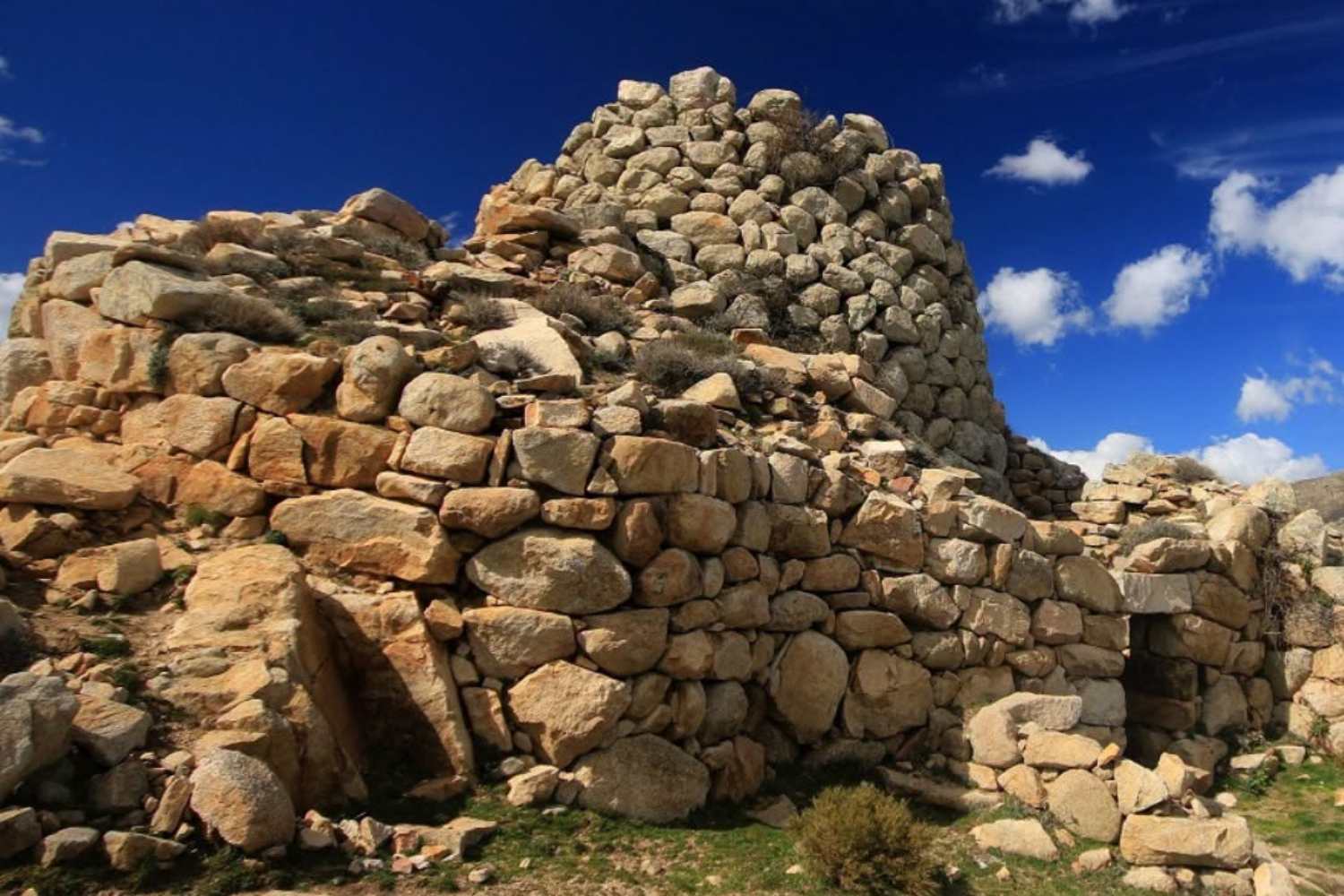
There millenary civilization of nuraghi takes the most important leap in its modern history to conquer the global showcase. In fact, it is officially in Paris the preliminary evaluation of the UNESCO candidacy dossier has beguna decisive formal step in which international experts examine official documents for the first time to decide whether admit monuments to the prestigious World Heritage List. The application, entitled Architecture and spaces of worship, the sacredness of proto-historic Sardiniawas put forward by the Ministry of Culture and promoted by the association Sardinia Land of Nuraghiled by Pierpaolo Vargiu.
At the center of the dossier are the monuments symbolizing the island’s architecture and spirituality that developed between 1800 and 800 BC: the suggestive ones Sacred Wellsthe monumental ones Tombs of the Giants and the archaeological remains of thousands of sites scattered across the Sardinian landscape. The association is the one pulling the strings of this candidacy Sardinia Land of Nuraghiled by Pierpaolo Vargiuwhich transformed an identity dream into a rigorous institutional path started in 2020 with entry into the Tentative List and culminated in the international comparison before the consultative bodies of the World Heritage Committee.
View this post on Instagram
The treasures of Nuragic Sardinia nominated for UNESCO
Behind the UNESCO candidacy there are places that tell the story of the Nuragic civilisation, one of the most fascinating cultures of the ancient Mediterranean, which developed in Sardinia from the Bronze Age (around 1700 BC) to the Iron Age.
@Gianni Sirigu-Sardinia towards UNESCO/Facebook
This civilization has left thousands of testimonies, from nuraghi to villages, to places of worship and funerary monuments, demonstrating great architectural and organizational capacity. THE Sacred Wells they were sanctuaries dedicated to the cult of water: built above natural springs, they had stone stairs that led to underground chambers where the water considered sacred was collected. Among the best-known examples are the Sacred Well of Santa Cristina, near Paulilatino, and that of Su Tempiesu, in Orune.
The Tombs of the Giants instead they were large collective burials made with enormous blocks of stone. Their name comes from the popular imagination linked to their monumental dimensions, but in reality they were places dedicated to the cult of ancestors and the bond between the community and the territory. The UNESCO candidacy thus aims to enhance a thousand-year-old heritage that tells of an ancient Sardinia that is still rich in charm and mystery today.
The choral commitment of the institutions and the strategic value of the candidacy
The official presentation of this achievement was held in Cagliari at the headquarters of the Sardinia Foundation, in the presence of the president Giacomo Spissu, the president of the Region Alessandra Todde and the councilor for Public Education and Cultural Heritage Ilaria Portas. Each of them underlined how the candidacy represents not only a recognition of international value, but an unrepeatable opportunity to generate economic growth, sustainable tourism development and identity awareness in the new generationsthanks also to technological mapping tools such as the Nuragica Atlas.
With the support of the relevant ministries and the coordinator of the scientific committee Anna Depalmas, the island is preparing to tell the world the charm of a civilization that has profoundly marked the routes of the western Mediterranean.
The Paris phase does not constitute the definitive goal, but the first real technical examination to verify the strengths and critical points of the dossier, offering Italy the opportunity to show the inestimable richness of a unique and universal heritage.
