
Autumn is not only the season of pumpkins, chestnuts and the warm colors of nature, but also a precious period for those who love growing plants and vegetables. In fact, as summer gives way to the colder months, it is already possible to think about the next harvest and prepare the ground for the delights that will arrive the following year.
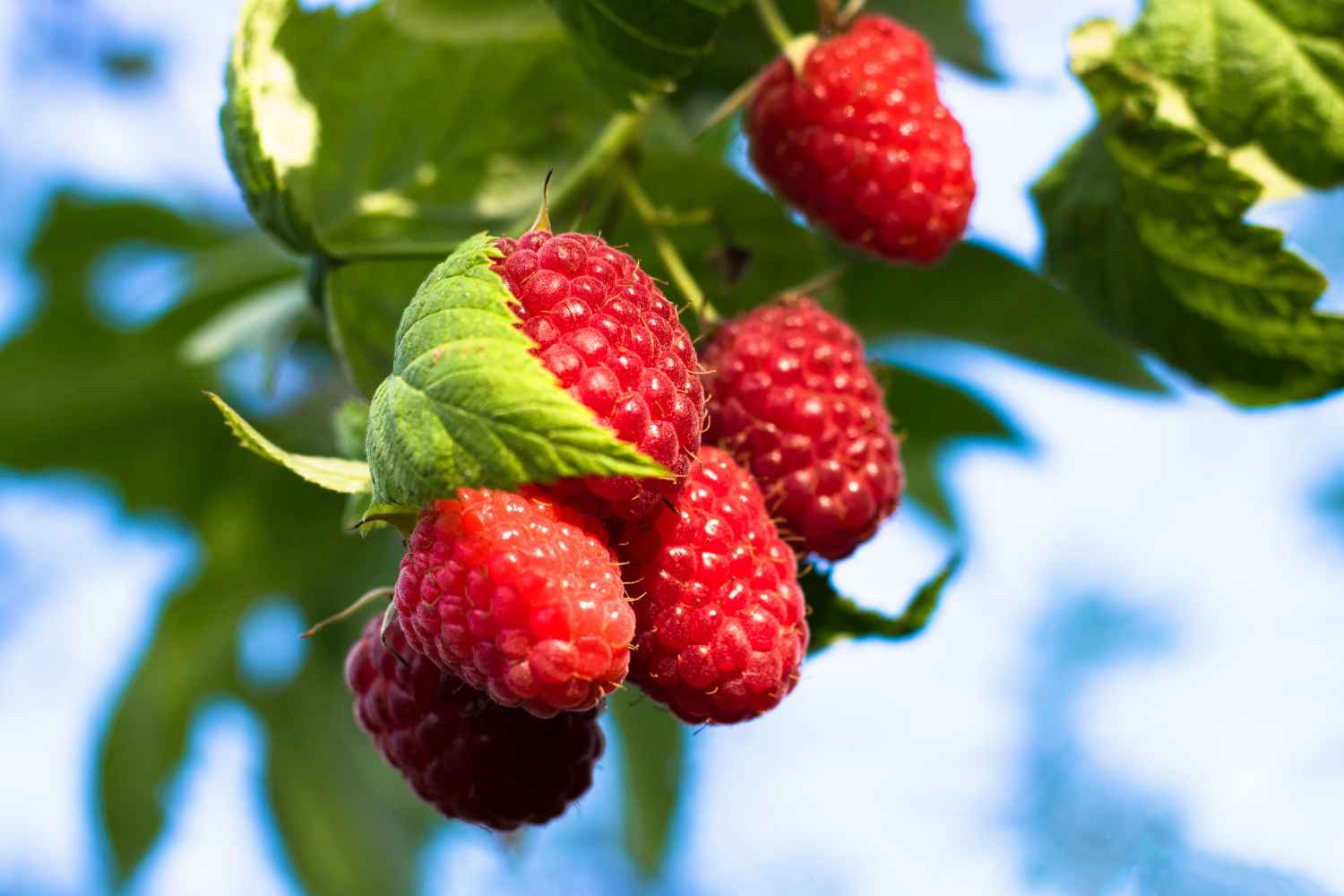
Among the plants that are worth planting in this period there are certainly raspberries. These small red fruits are among the most loved and, in addition to being tasty, they are rich in precious substances such as vitamins, fiber and antioxidants. Some studies have analyzed the role of bioactive compounds present in raspberries for their possible protective effects on health.
Planting them in autumn allows the roots to develop gradually during the cooler months, so the plant can start again stronger and more vigorous when spring arrives.
Where to grow raspberries: the balcony is also good
@Mik122/123rf
You don’t necessarily need to have a large garden to grow raspberries. In fact, with some attention, these plants can also grow in pots, making them perfect for a balcony or terrace.
The most important thing is to choose the location carefully. The raspberry loves light and needs several hours of sun a day, but does not like environments that are too exposed to drafts. It is therefore better to choose a bright corner sheltered from the wind.
Those who grow multiple plants will have to leave the right space between one and the other: the ideal distance is around 70-80 centimetres, so each bush can develop without competing for light and nutrients. Supports are also very useful to accompany the growth of the shoots and prevent them from bending under the weight of the fruit.
The ideal soil and the importance of water
Raspberries grow best in fertile soil, rich in organic substance and above all well drained. Before planting it may be useful to enrich the soil with mature compost or other organic fertilizer, but avoid overly compact soil where water tends to stop.
Irrigation must be regular, especially in the hottest periods and during fruit formation. In fact, raspberries do not like prolonged drought, but they also suffer greatly from water stagnation. The soil must therefore remain moist, without ever becoming soggy.
A good mulch with dry leaves, straw or bark can help maintain the right level of humidity, protect the roots from temperature changes and limit the growth of weeds.
Which variety to choose: repeat-flowering or summer?
Those who want to grow raspberries can choose between different varieties. The most loved by those who grow them at home are often the ever-flowering ones, because they can produce fruit from the end of summer until autumn.
Summer varieties, on the other hand, concentrate production mainly in the warmer months. The choice therefore depends on the space available and the period in which you want to harvest the fruits.
For those who only have a balcony, it is advisable to choose more compact varieties suitable for growing in pots, using a container large enough to allow the roots to develop.
Pruning helps the plant produce more fruit
Pruning is an important step in keeping raspberries healthy and productive. The methods change based on the cultivated variety: in re-flowering raspberries, for example, the shoots that have already produced are often eliminated, while in summer varieties the new branches that will bear fruit the following year must be preserved.
Correct pruning allows the plant to receive more light and air, also reducing the risk of diseases.
Even in pots the harvest can be satisfying
Naturally, a plant grown in a pot will have less space than one planted in the ground and will be able to produce a smaller quantity of fruit. However, this does not mean giving up the satisfaction of picking fresh raspberries directly from your balcony.
With the right exposure, good soil, balanced irrigation and some simple care, the raspberry is a resistant and generous plant, capable of transforming even a small urban space into a green corner full of flavour.
Frequently asked questions about growing raspberries
How long does it take for a raspberry plant to bear the first fruit?
A raspberry plant planted in autumn can start producing as early as the following season, although the harvest generally becomes more abundant after the second year, when the plant is more developed.
Can raspberries grow in pots?
Yes, raspberries can also be grown in pots, as long as the container is large and deep enough to accommodate the roots well. It is important to choose fertile soil, ensure good drainage and place the plant in a bright position.
How often should raspberries be watered?
Raspberries should be watered regularly, especially during hot periods and when they are producing fruit. It is important to avoid both the soil drying out completely and remaining too wet due to water stagnation.
Do raspberries need full sun?
Raspberries grow best in a sunny location, with several hours of light per day. However, in areas with very hot summers it can benefit from light protection from the sun during the most intense hours.
When should raspberries be pruned?
The pruning period depends on the variety. Generally, interventions are carried out between the end of winter and the beginning of spring, eliminating old branches or those that have already produced, depending on the type of raspberry grown.
Why doesn’t the raspberry plant produce fruit?
The causes can be different: little light, incorrect watering, lack of nutrients, incorrect pruning or a plant that is still too young. Limited pot space can also affect harvest quantity.
