
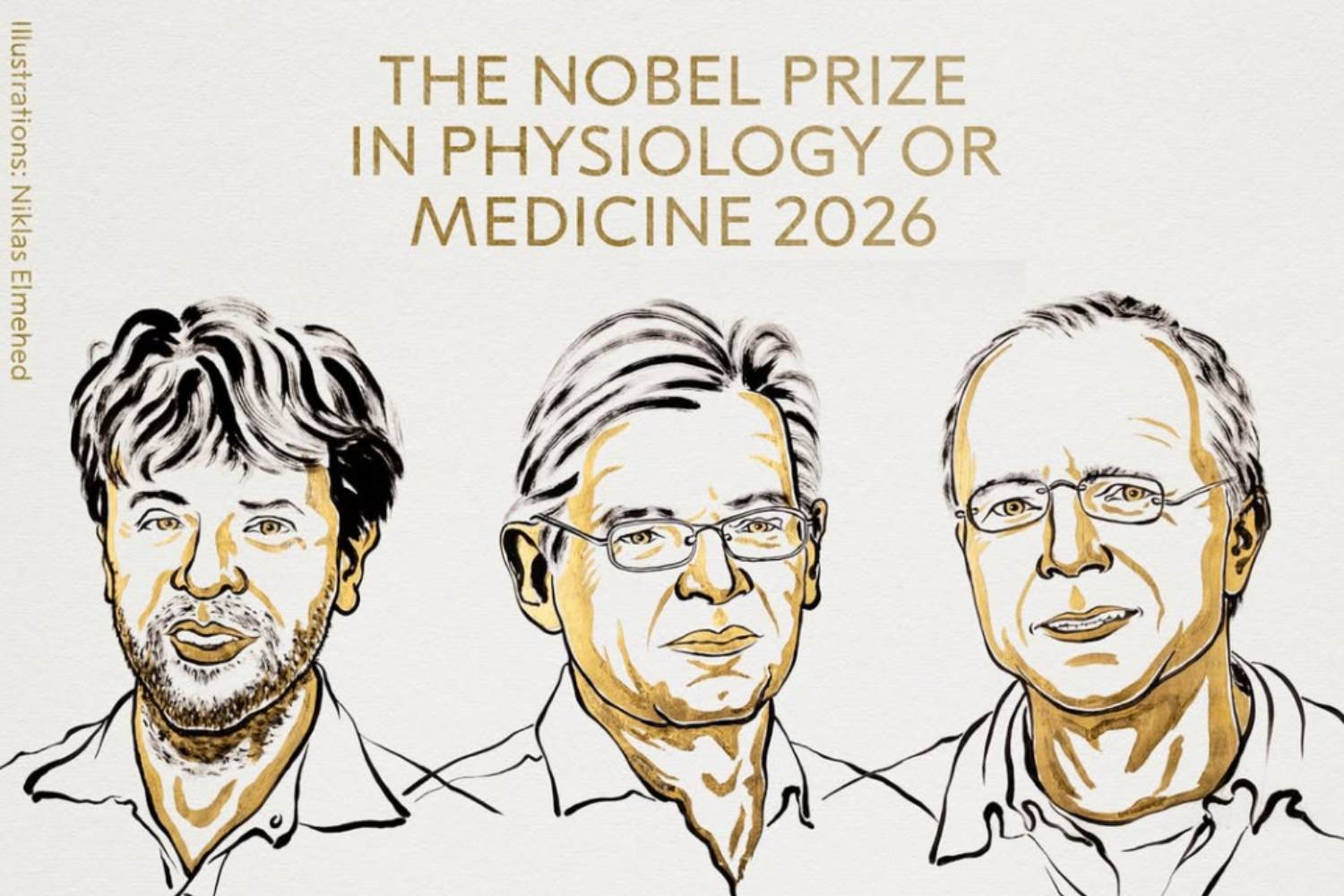
The Nobel Assembly of the Karolinska Institute officially awarded the Nobel Prize in Physiology or Medicine 2026 to Karl Deisseroth, Peter Hegemann and Georg Nagel. The award recognizes pioneering studies on light-activated ion channels and the development ofoptogeneticsa stunning technique that reveals how nerve cells shape thoughts, memories, feelings and behaviors within a living brain.
The foundations of this immense scientific revolution lie in the discovery of an extraordinary protein, the channelrhodopsinoriginally identified within a unicellular alga by Peter Hegemann and Georg Nagel. Subsequently, Karl Deisseroth understood the application potential of this molecule, effectively transforming it into a light controlled switch capable of selectively governing the activity of nerve cells, laying the foundations of a new era in neuroscience.
View this post on Instagram
How optogenetics works and its clinical applications in the brain
Exploiting the unique potential ofoptogeneticsresearchers around the world have managed to map with millimeter precision the neural circuits which regulate sensations such as pain, thirst, food intake, social behaviors, circadian rhythm and reward. The applications even go beyond the central nervous system: Karl Deisseroth demonstrated that the cardiac rhythm it can influence emotions by intensifying anxietywhile other studies have isolated specific cells in the gut linked to sugar preference. In the clinical setting, the method is tested to try to restore your sight in people with severe visual impairments and offers new keys to understanding the biological bases of complex pathologies such as depression, anxiety, schizophrenia, Alzheimer’s disease and Parkinson’s disease.
A very powerful tool for revealing the mysteries of the human mind
The impact of this discovery has radically transformed the scientific understanding of how the brain works, offering scientists a tool of unprecedented precision to selectively activate or deactivate specific cell populations. Every single day of research continues to reveal new details on the most intimate mechanisms of the human body, confirming the historical significance of the work carried out by the three scientists and bringing modern medicine closer to once unimaginable therapeutic goals.
