
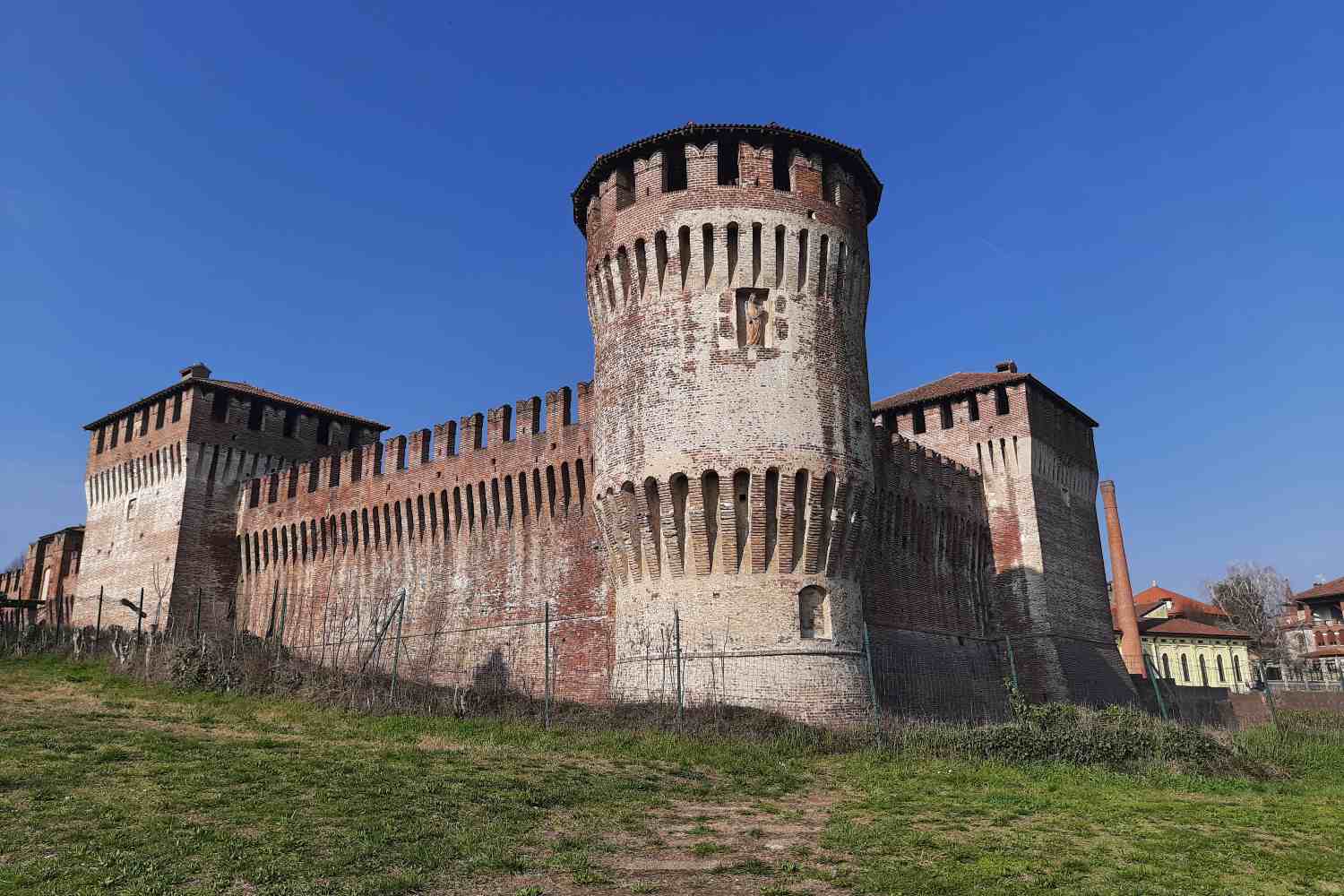
Imagine crossing a drawbridge and suddenly finding yourself in the beating heart of the Lombard Renaissance. We are not talking about a simple historical reconstruction, but about the extraordinary Rocca Sforzesca of Soncino, a defensive structure built between 1473 and 1475 at the behest of Duke Galeazzo Maria Sforza. Designed by the famous military engineer Bartolomeo Gadio, the fortress was born on the foundations of an ancient 10th century monastery with a purely strategic objective.
@RebeccaManzi/GreenMe
Things changed radically in 1536 with the enfeoffment of Count Massimiliano Stampa, who began a profound metamorphosis to transform the military structure into a residential castle. In 1876 the last marquis, Massimiliano Cesare Stampa, donated the complex to the Municipality. It was then the architect Luca Beltrami, in 1883, who led a pioneering restoration that eliminated the baroque additions, restoring the defensive purity of the fifteenth century.
@RebeccaManzi/GreenMe
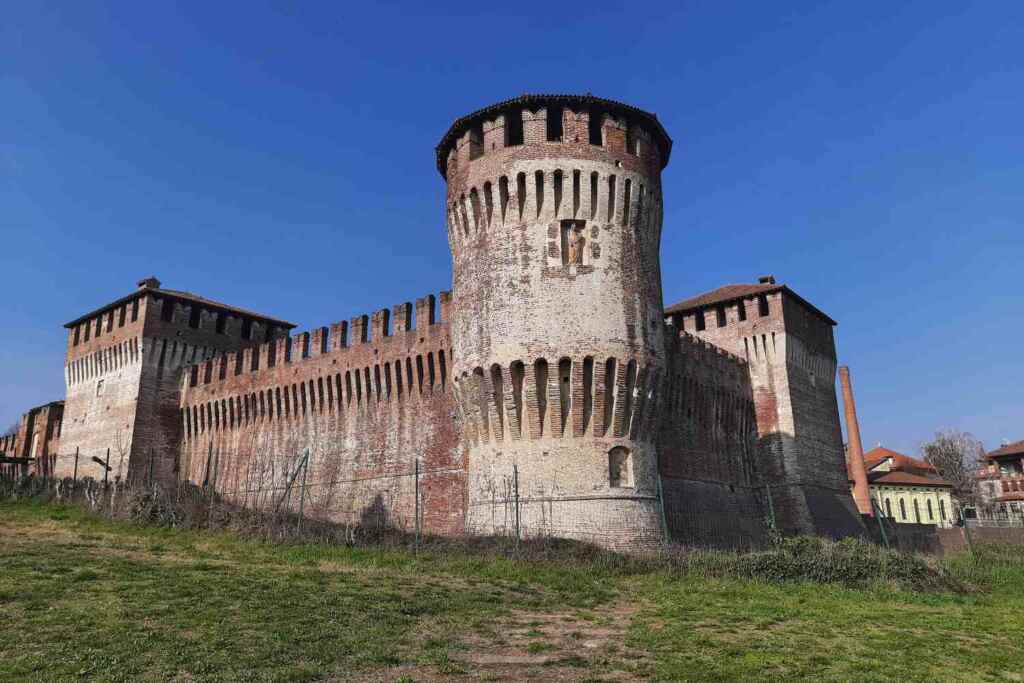
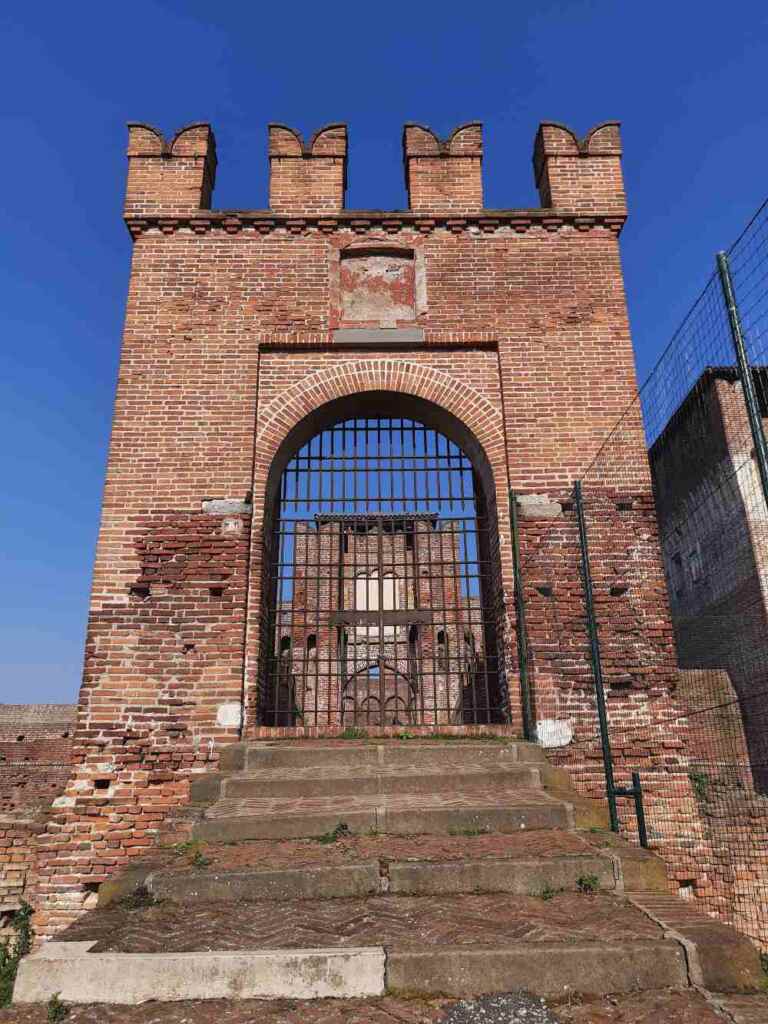
Exploring the walkways we discovered incredible anecdotes: its walls hosted the holidays of the famous Nun of Monza, linked to the Stampa family, and acted as a film set for the cult film Ladyhawke. Don’t miss the Captain’s Tower, a bulwark of extreme defense that conceals a secret underground escape route, the evocative prisons and the chapel of the south-east tower, which still preserves frescoes with the Sforza coat of arms.
@RebeccaManzi/GreenMe
The thread of memory: the ancient manufacturing tradition of Soncino
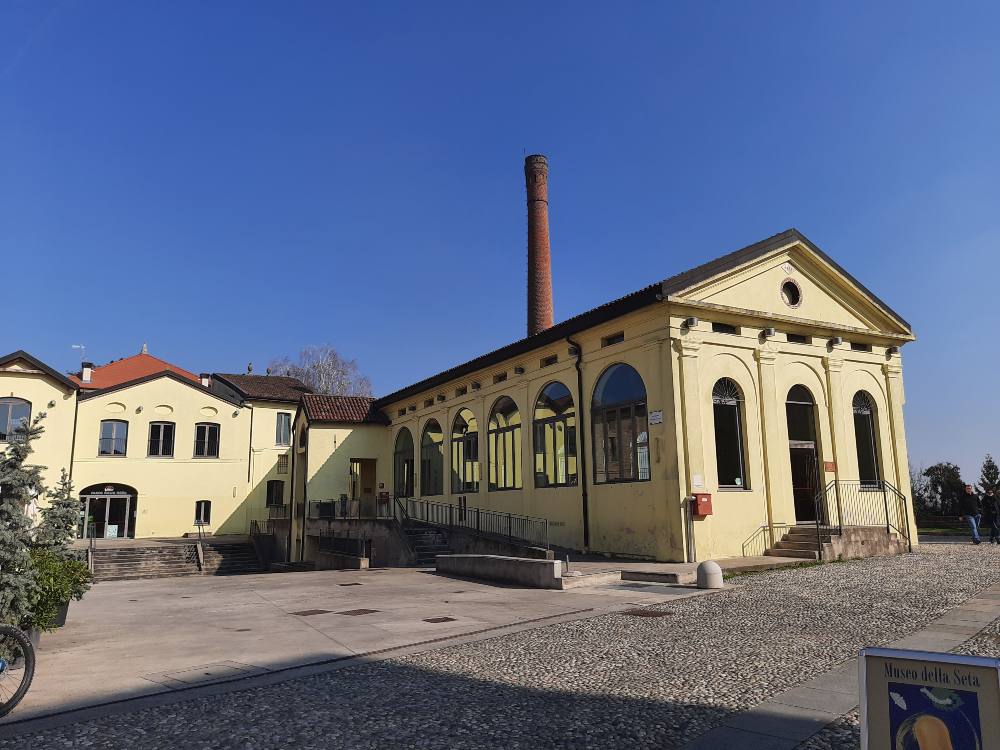
Soncino also reserves a surprise that smells of history, craftsmanship and industrial archaeology. Right near the majestic Rocca Sforza, inside the nineteenth-century complex of the former Filanda Meroni (a jewel of industrial architecture decommissioned in 1961), stands the Silk Museum. This cultural reality, originally born from the passion and private collection of its curator Enzo Corbani, has been committed for over twenty years to keeping alive the memory of an activity that has literally shaped the landscape and economy of the Po Valley.
The exhibition itinerary offers a complete journey through the supply chain: from the supply of silkworm eggs to the reeling of the yarn. One of the most extraordinary peculiarities of the museum – a true rarity throughout the national panorama – is the room dedicated entirely to silkworm companies and “seedworms”. Inside you can admire historical posters, a collection of over four hundred vintage postcards and evocative archive footage. Among these, a video document from 1942 stands out which shows the processing of cocoons inside the spinning mill for the production of silk parachutes used during the Second World War. The museum, which even allows you to visit the ancient medieval water and sewage system that flows beneath the structure, opens its doors to the public on the second and third Sunday of each month.
@RebeccaManzi/GreenMe
The medieval soul enclosed between the buildings
Beyond the fortified perimeter, which today houses the Aquaria Civic Archaeological Museum full of hundreds of historical finds, the village develops along the ancient Contrada Grande, the current Via IV Novembre. The urban fabric opens with the former Meroni spinning mill from 1898 and then shows a parade of medieval architecture. The fifteenth-century Palazzo degli Azzanelli stands out, belonging to rich local merchants and decorated with terracotta lancet windows and putti holding garlands.
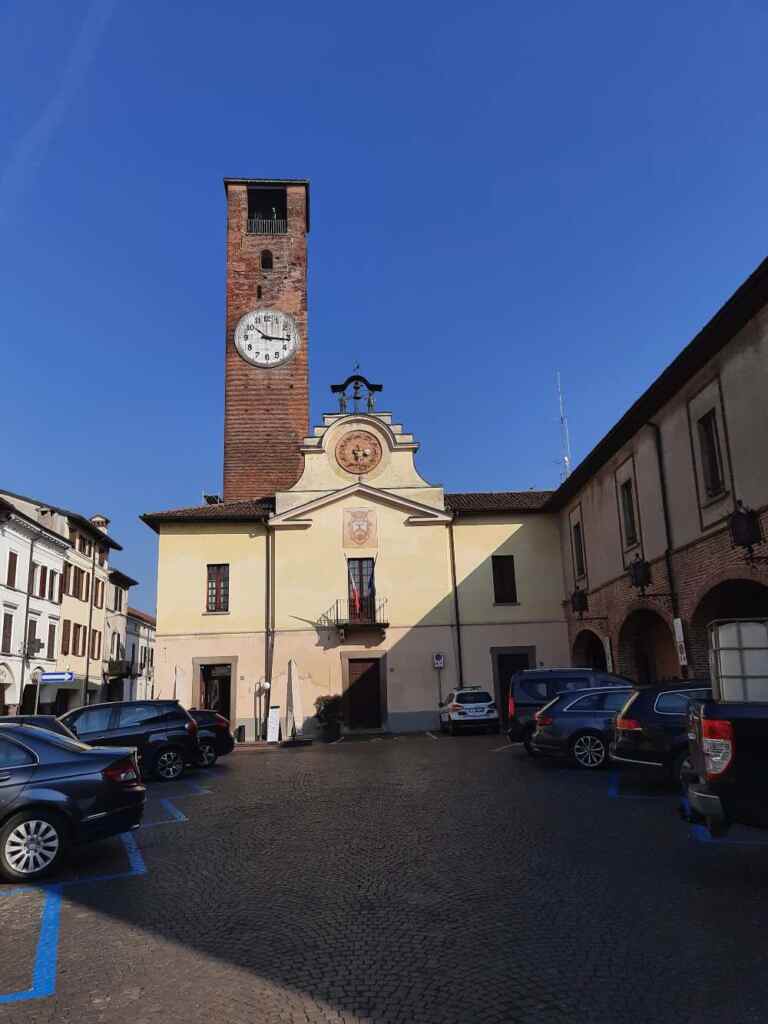
Continuing we come across the Town Hall, a complex architectural nucleus dominated by the Civic Tower from 1128, raised in 1575 to almost 42 metres. On its façade stands the astronomical clock from 1506, a gift from the Venetian patrician Guido Contarini, surmounted by two bronze automatons that strike the hours.
@RebeccaManzi/GreenMe
The prisons of the palace preserve the memory of Ezzelino III da Romano, fierce Ghibelline leader and vicar of Frederick II of Swabia. Defeated in 1259 in Cassano d’Adda by the Guelph league led by Azzo VII d’Este, the tyrant was captured by Giovanni Turcazzano and taken to Soncino, where he died refusing treatment and sacraments.
Where the press changed the history of the world
Moving towards Via Sant’Antonio, among fifteenth-century buildings which include the ancient hospital founded in 1240 by Beato Facio da Verona and the Monte di Pietà established in 1472 by Pacifico Ramati, we have reached a true mecca of world culture: the Printing Museum. Inaugurated in 1988, it stands where a family of Jewish printers who arrived from Germany in the 15th century achieved an epochal feat: the printing of the first complete Hebrew Bible on 22 April 1488.
This dynasty of artisans, who chose to sign each work with the surname Soncino as a sign of eternal gratitude towards the village, had its most brilliant exponent in Gershom Soncino. Today, visitors can relive that emotion by operating the old presses to imprint ink on movable type, just as happened five centuries ago.
Starry skies and sacred masterpieces
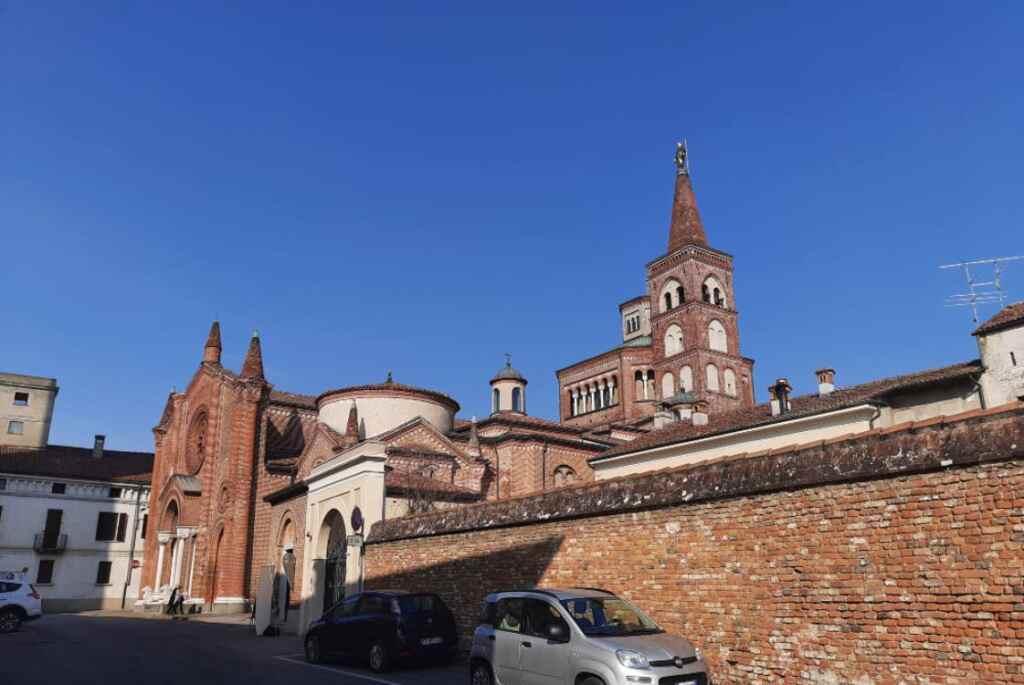
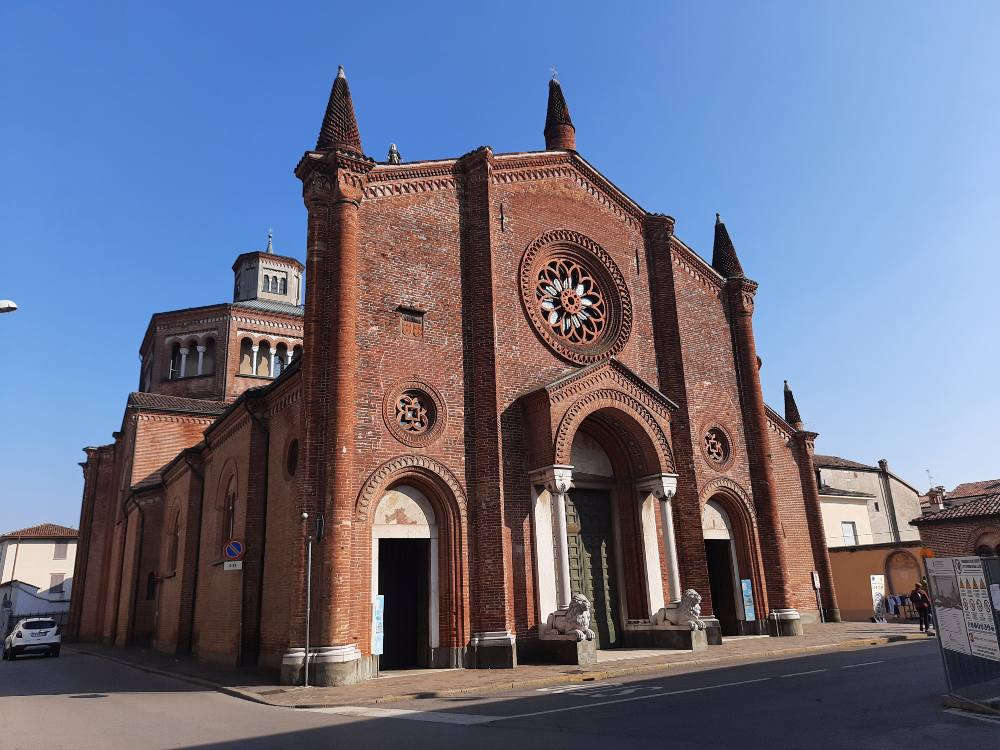
The itinerary cannot be considered complete without the religious treasures of the village. The Parish Church of Santa Maria Assunta took our breath away: rebuilt in 1580 to respond to the dictates of the Council of Trent, it was entirely frescoed by Giulio Calvi known as il Coronaro and by Uriel Gatti, while in the nineteenth century it underwent expansion by Carlo Maciachini.
@RebeccaManzi/GreenMe
@RebeccaManzi/GreenMe
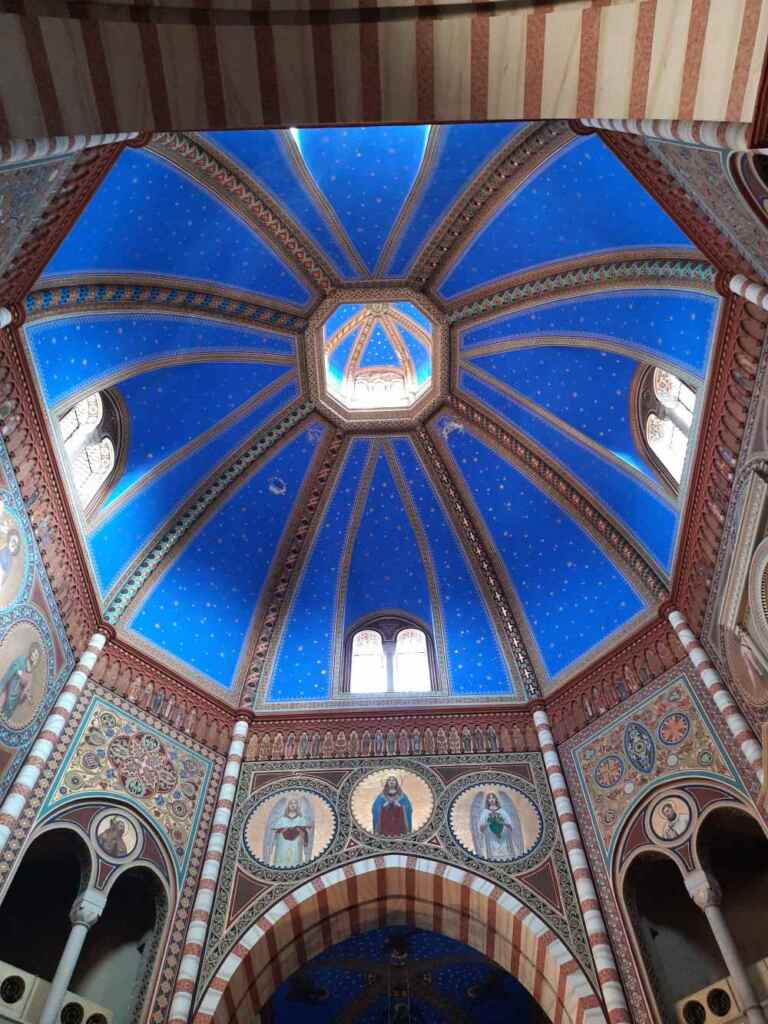
Upon entering, the impact with the majestic vault painted like an immense intense blue starry sky left us immobile and astonished. Finally, the fourteenth-century Church of San Giacomo amazes with its heptagonal tower and the wooden choir carved by Fra Damiano Zambelli, while outside the walls the Church of Santa Maria delle Grazie, financially supported by Duke Francesco II Sforza and frescoed by Giulio Campi, tells of centuries of devotion and rebirths.
@RebeccaManzi/GreenMe
