
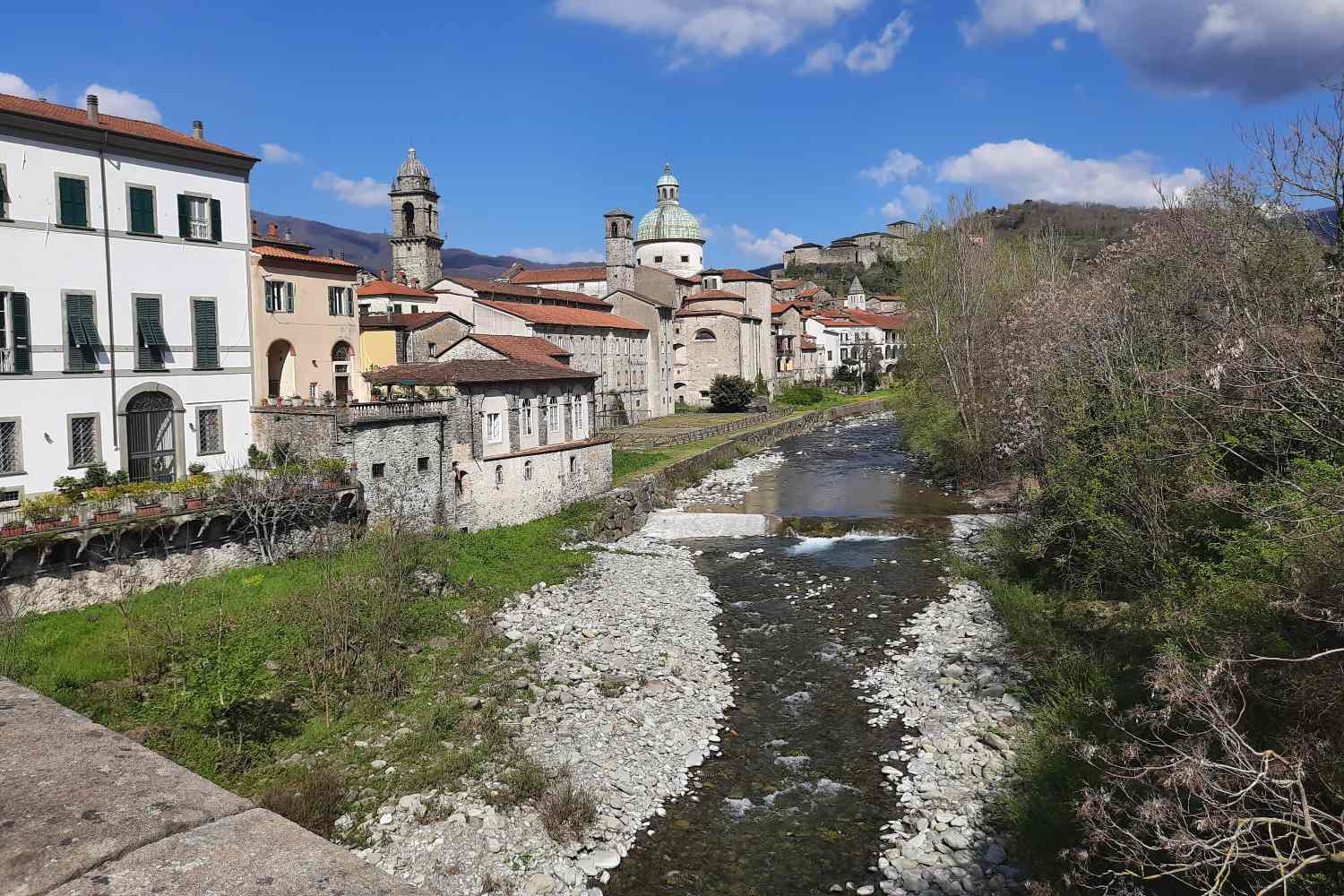
Our journey in Lunigiana began by crossing that natural threshold where Tuscany meets Liguria, a thousand-year-old crossroads that immediately welcomed us with its rugged and authentic charm. Traveling through the valleys crossed by the Magra river, we immediately realized how much this land has remained the jealous guardian of a wild nature and a profound history, made up of wayfarers, pilgrims and armies.
@RebeccaManzi/GreenMe
Here, where the majestic peaks of the Apuan Alps guard an area full of castles and walled villages, every glimpse seems to tell a forgotten chapter of the Middle Ages, offering us an intimate and deeply reflective slow travel experience, far from the most frenetic tourist circuits.
@RebeccaManzi/GreenMe
Pontremoli: from the Crësa Bridge to the Campanone
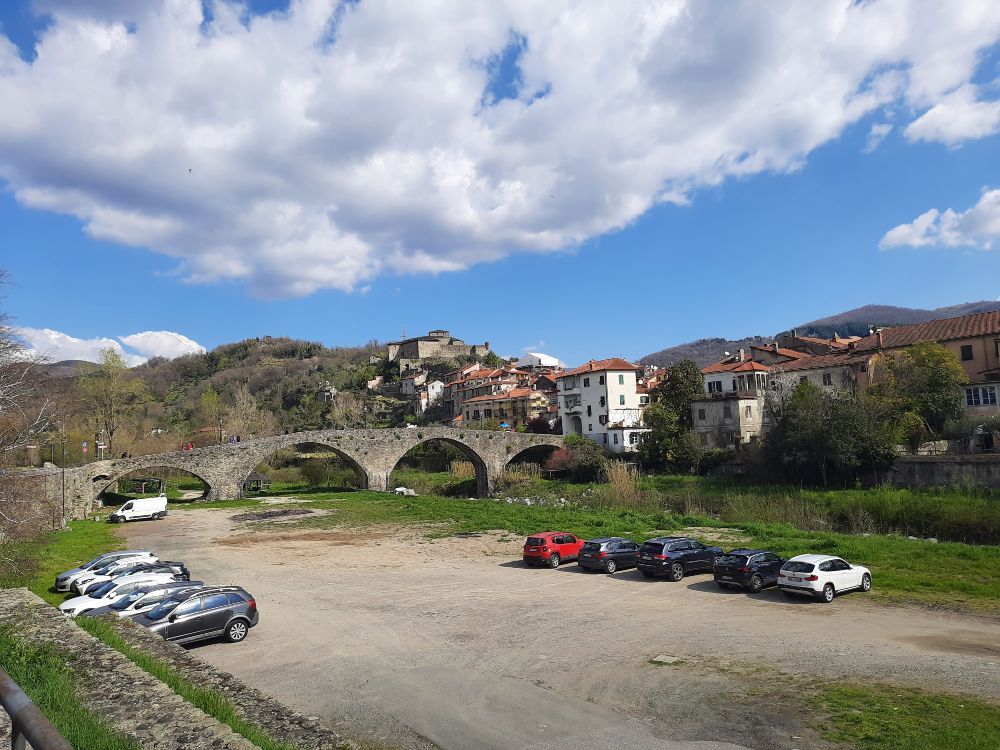
Our first stop was Pontremoli, the northern gateway to the region, where we immediately felt the dual soul of the village. Walking along the streets we passed from the narrow medieval-style alleys to the elegant rows of Baroque noble palaces in the lower part, witnesses of a flourishing seventeenth-century development. Pontremoli welcomed us with the historic Ponte della Crësa with its characteristic stone arches dating back to the 14th century. From here you can see the Piagnaro Castle in the distance, the 11th century fortress that dominates the town from above and offers an unforgettable panorama of the valley.
@RebeccaManzi/GreenMe
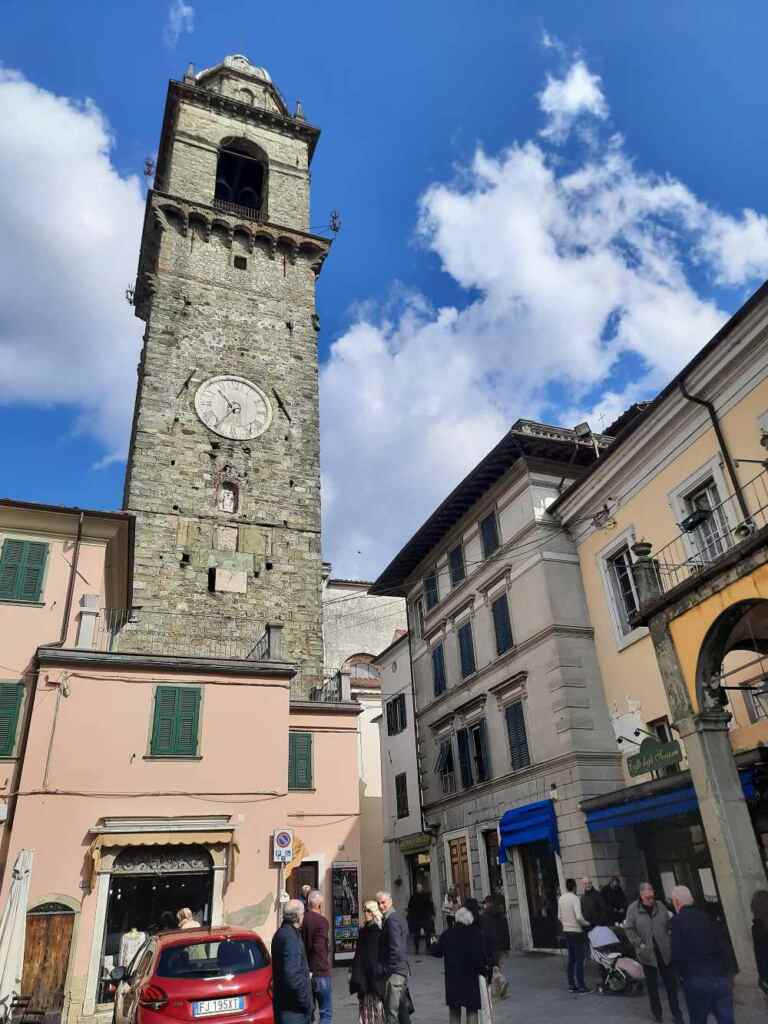
Immediately afterwards, entering the heart of the historic centre, we found ourselves in Piazza della Repubblica in front of the famous Campanone, a historical symbol of the city dating back to the 14th century: originally built in 1322 as the central tower of the defensive curtain of Warhunter commissioned by Castruccio Castracani to divide the warring factions, this monument has preserved its proud independence by transforming itself into the civic tower which, with its large bell, marks the rhythms of the community.
@RebeccaManzi/GreenMe
The Co-Cathedral and the Four Saints Bridge
Continuing our itinerary, we stopped at the Co-Cathedral of Santa Maria Assunta, the main Catholic building of worship in the city. The cathedral, designed by the architect Alessandro Capra and built between 1636 and 1687 in a fine Baroque style, fascinated us with its three horizontal orders marked by pilasters and semi-columns, the entrance portal surmounted by a lunette with a golden mosaic, the lateral niches with statues of saints and the upper part crowned by a triangular pediment.
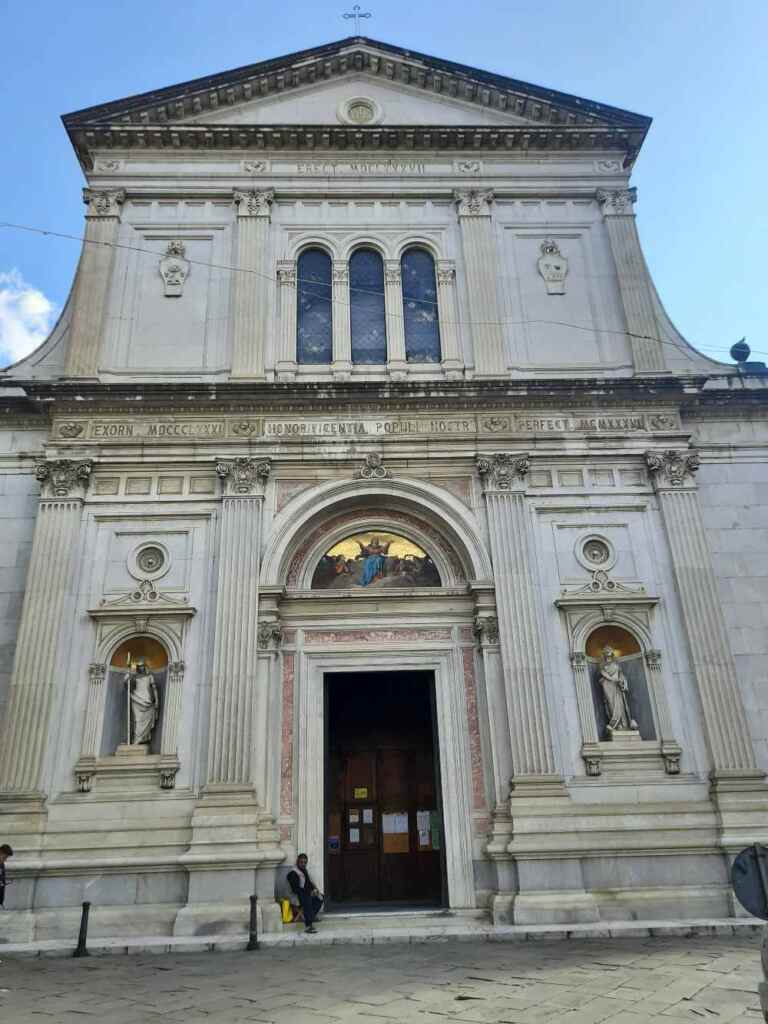
@RebeccaManzi/GreenMe
Among the many bridges that characterize the town we then crossed the Bridge of the Four Saints, characterized by the evocative statues of saints from which it takes its name placed on the pillars at the ends and framed by the profile of the village with the domes and bell towers of the religious buildings.
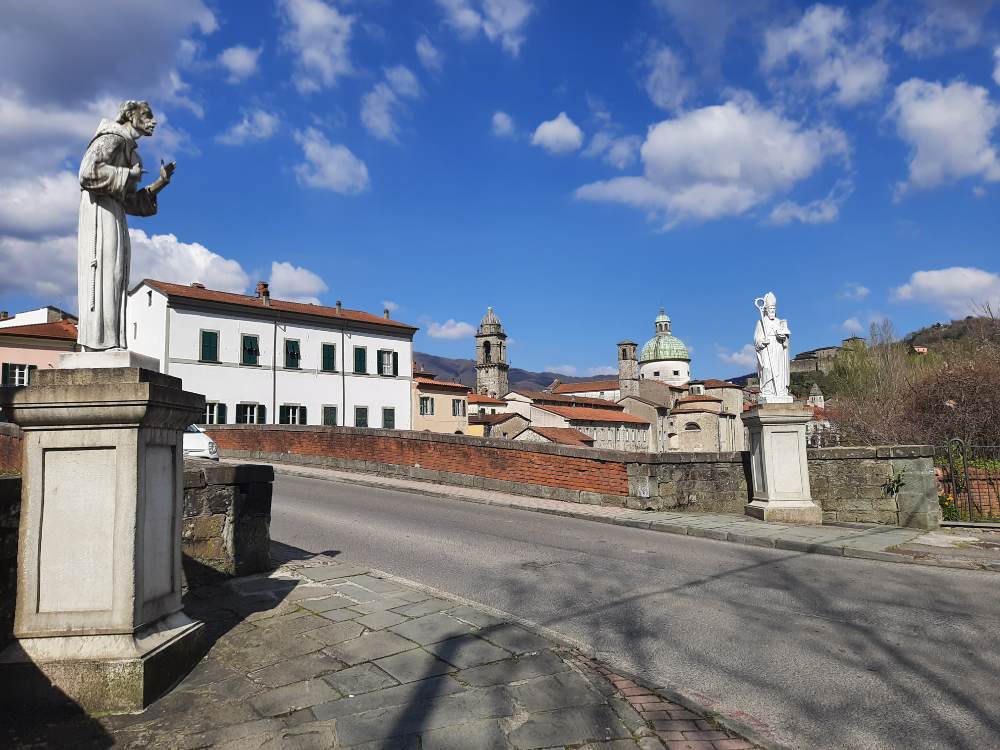
@RebeccaManzi/GreenMe
The Seratti Tower and the Castelnuovo Bridge
Not far away our attention was captured by the Torre dei Seratti (or del Casotto), a fascinating fourteenth-century stone structure with Guelph battlements located at the southern end of the medieval village, near the confluence between the Magra river and the Verde stream, part of the ancient defensive system and the city walls.
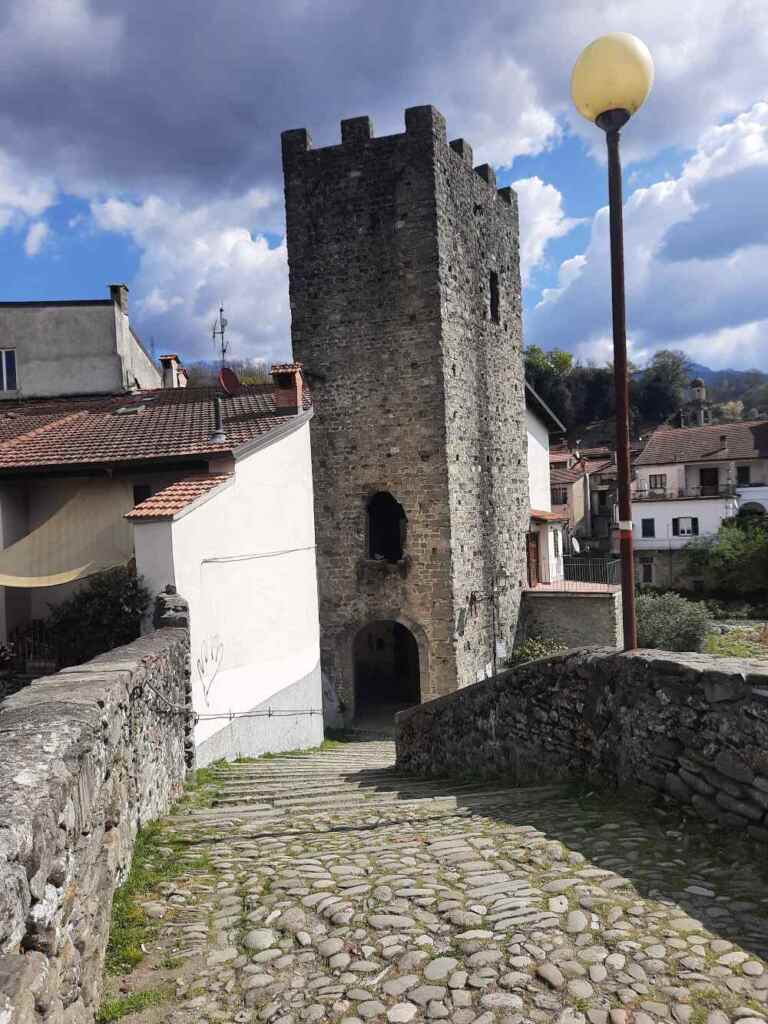
@RebeccaManzi/GreenMe
Finally, continuing to walk among the beauties of Pontremoli, we stopped to admire the suggestive Castelnuovo Bridge (or Jubilee Bridge), which offers an enchanting view with the elegant Oratory of Nostra Donna in the background.
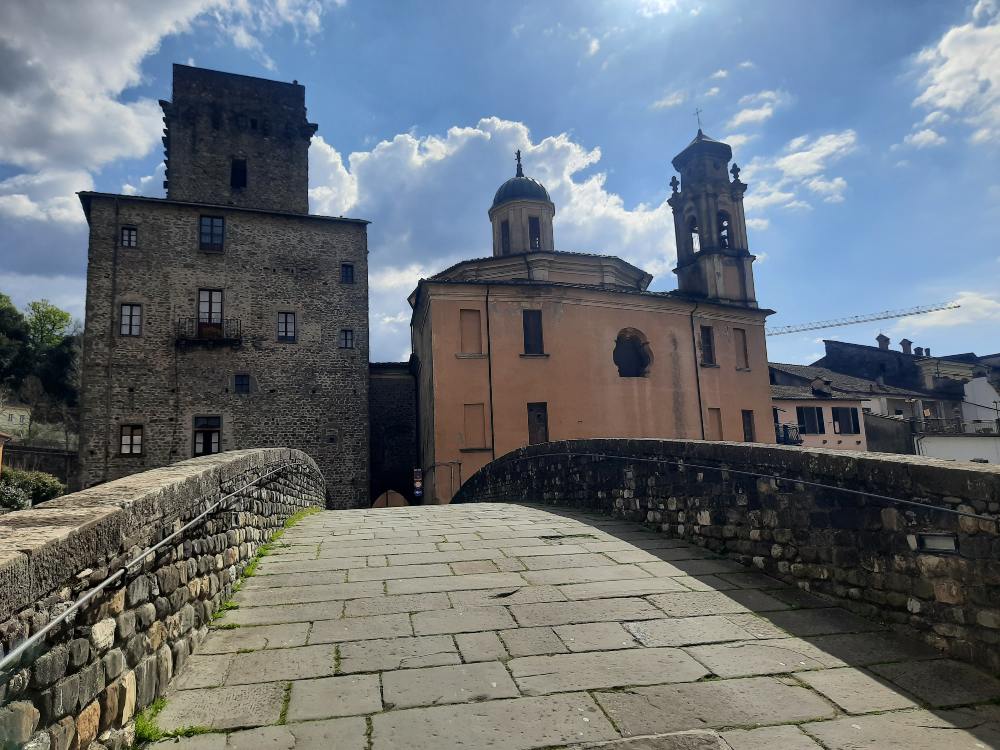
@RebeccaManzi/GreenMe
Filetto: Piazza del Pozzo and its Byzantine origins
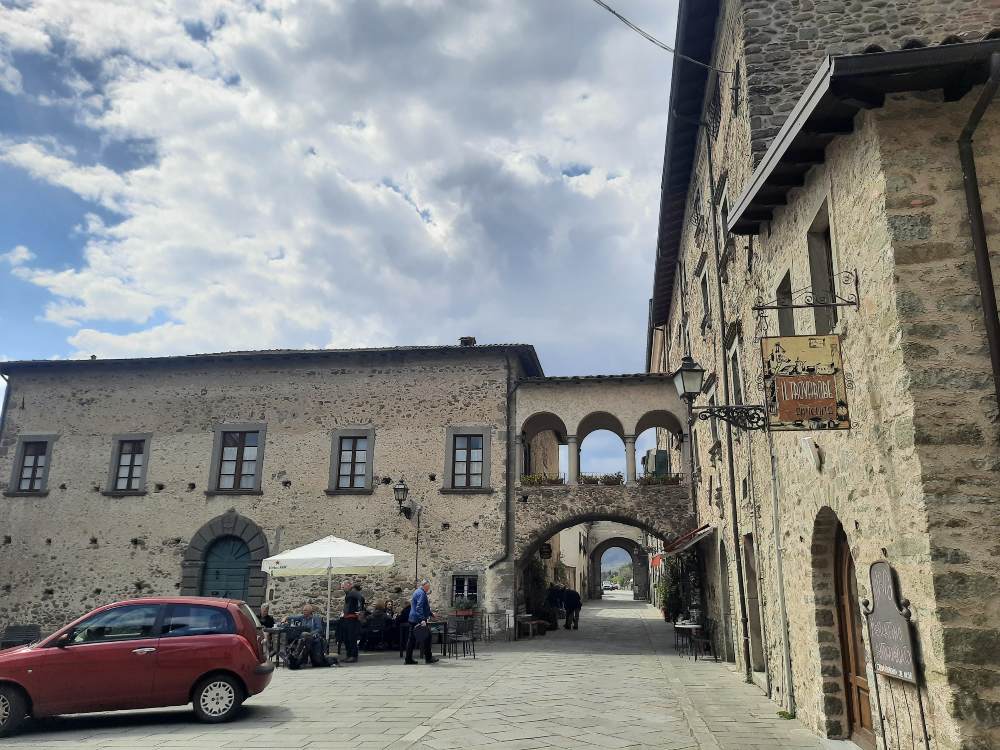
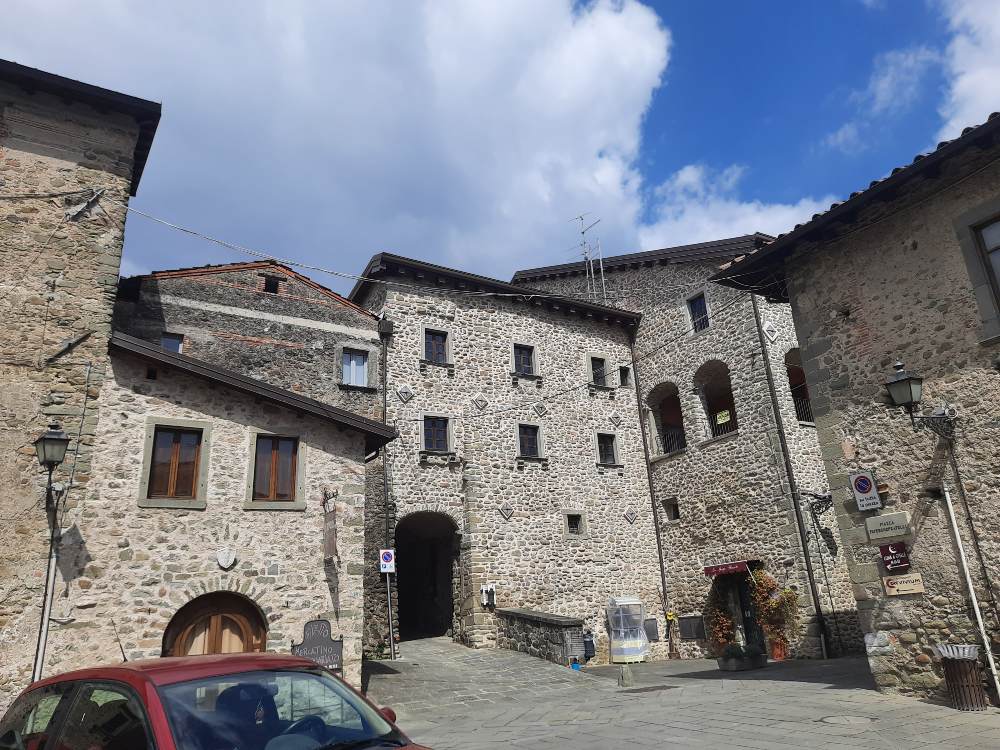
After leaving Pontremoli, we headed towards the heart of the valley to explore Filetto, a hamlet of Villafranca in Lunigiana, which seemed like a real time portal to us. Crossing the monumental Ariberti gate, we found ourselves immersed in a fortified village of Byzantine origins, originally created as a military garrison against the Lombard incursions between the 6th and 7th centuries. The structure of the town, characterized by a rare and perfect quadrilateral shape, clearly reveals its historical roots: the name itself derives from the Greek fulacterionwhich actually means fortified village.
@RebeccaManzi/GreenMe
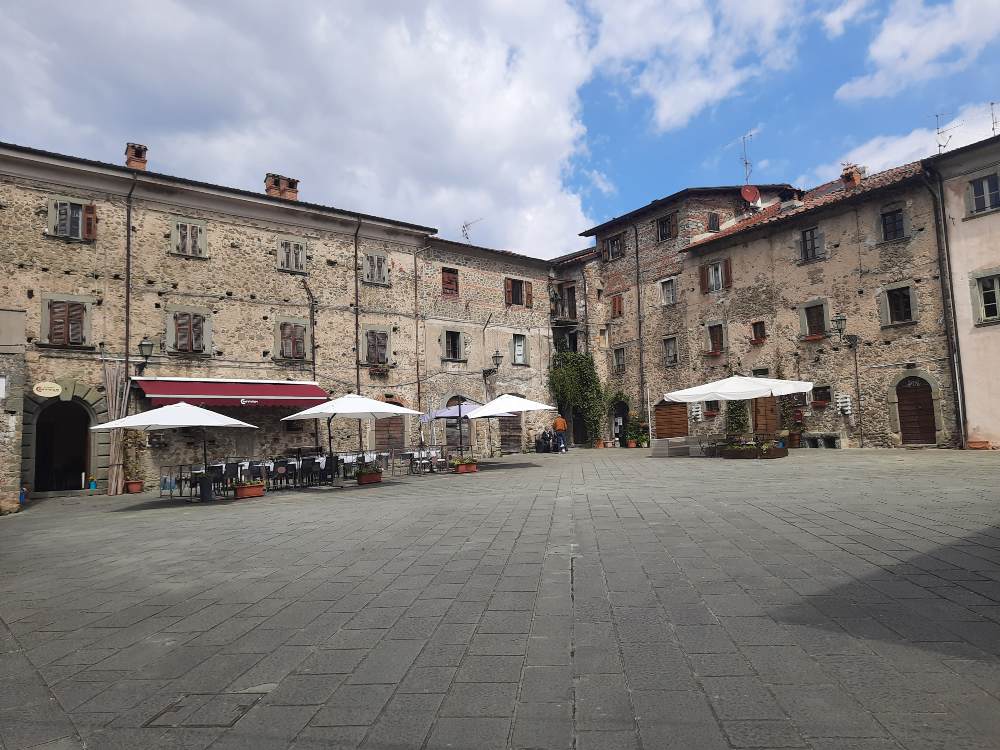
The beating heart of this medieval agglomeration is represented by the suggestive Piazza del Pozzo, surrounded by severe exposed stone buildings and paved with ancient stone slabs that tell of centuries of lived history. Walking between stone portals and arches, you can breathe a still atmosphere, enriched by the nearby Selva di Filetto, an ancient forest considered sacred by the Apuan Ligurians.
@RebeccaManzi/GreenMe
The monumental South Gate and the Church of Saints Philip and James
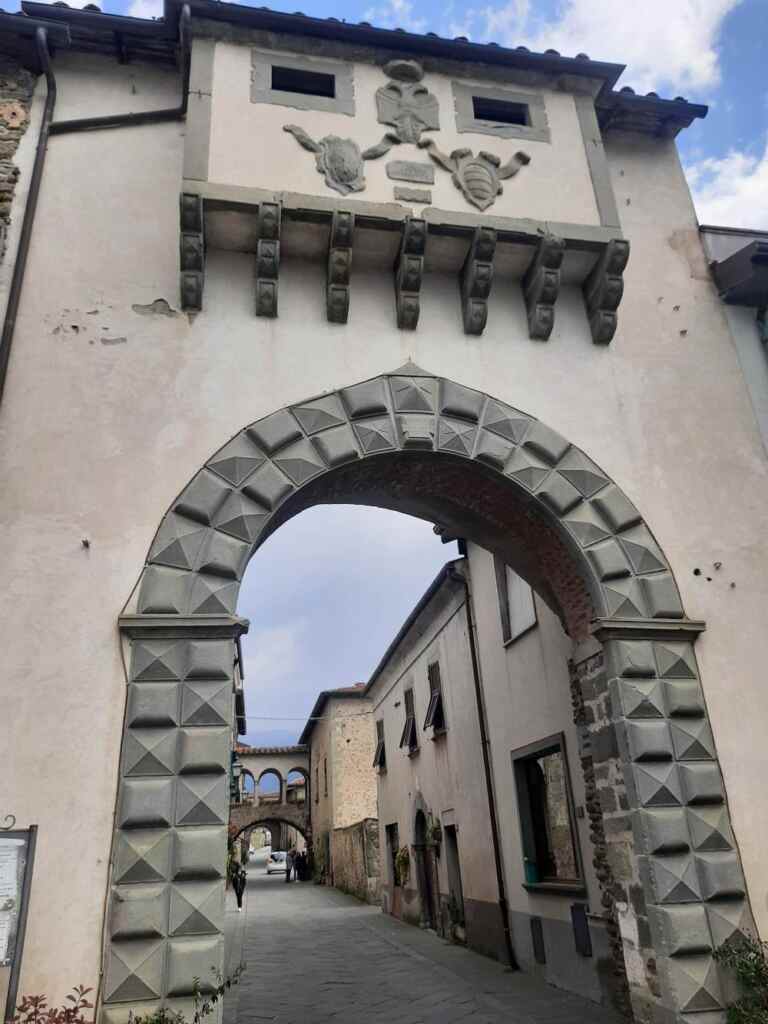
Continuing our exploration of the walled village, access to the orthogonal streets takes place through passages full of charm, among which the South Gate stands out. This imposing defensive structure welcomes visitors with a large ashlar arch, characterized by elegant diamond-pointed geometric elements.
@RebeccaManzi/GreenMe
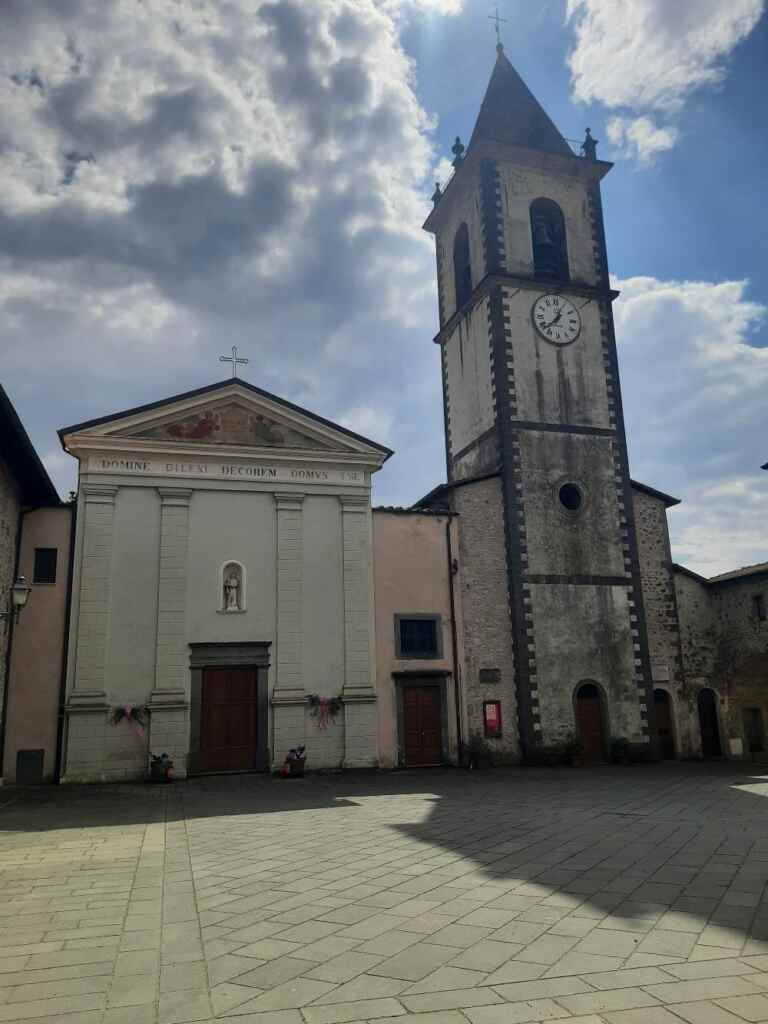
In the upper part of the facade you can admire refined carved stone coats of arms and protruding decorative brackets which testify to the noble past of the fiefdom, linked to the historical families of the area such as the Malaspina and later the Ariberti of Cremona. A little further on you come across the splendid Church of Saints Filippo and Giacomo, a spiritual point of reference for the community which preserves the historical memory of the place, enriched by the bell tower built inside the primitive structure.
@RebeccaManzi/GreenMe
A goodbye among the castles of Val di Magra
Concluding our itinerary leaving behind the thousand-year-old stones of Lunigiana left us with that typical melancholy of journeys that smack of authenticity. This land, densely dotted with strongholds such as the Malaspina Castle of Fosdinovo or the fortifications of Malgrate, has given us much more than a simple holiday: it has given us back the pleasure of slowness, discovery and human contact.
Retracing the steps of the ancient pilgrims of the Via Francigena, who centuries ago crossed the valley on their way to Rome, has given our journey a sense of profound connection with the past, leaving us with the certainty that we will forever cherish the memory of these panoramas carved in marble and history. And who knows, one day we will return to explore the other small villages that make it up, perhaps less famous but no less magical.
