
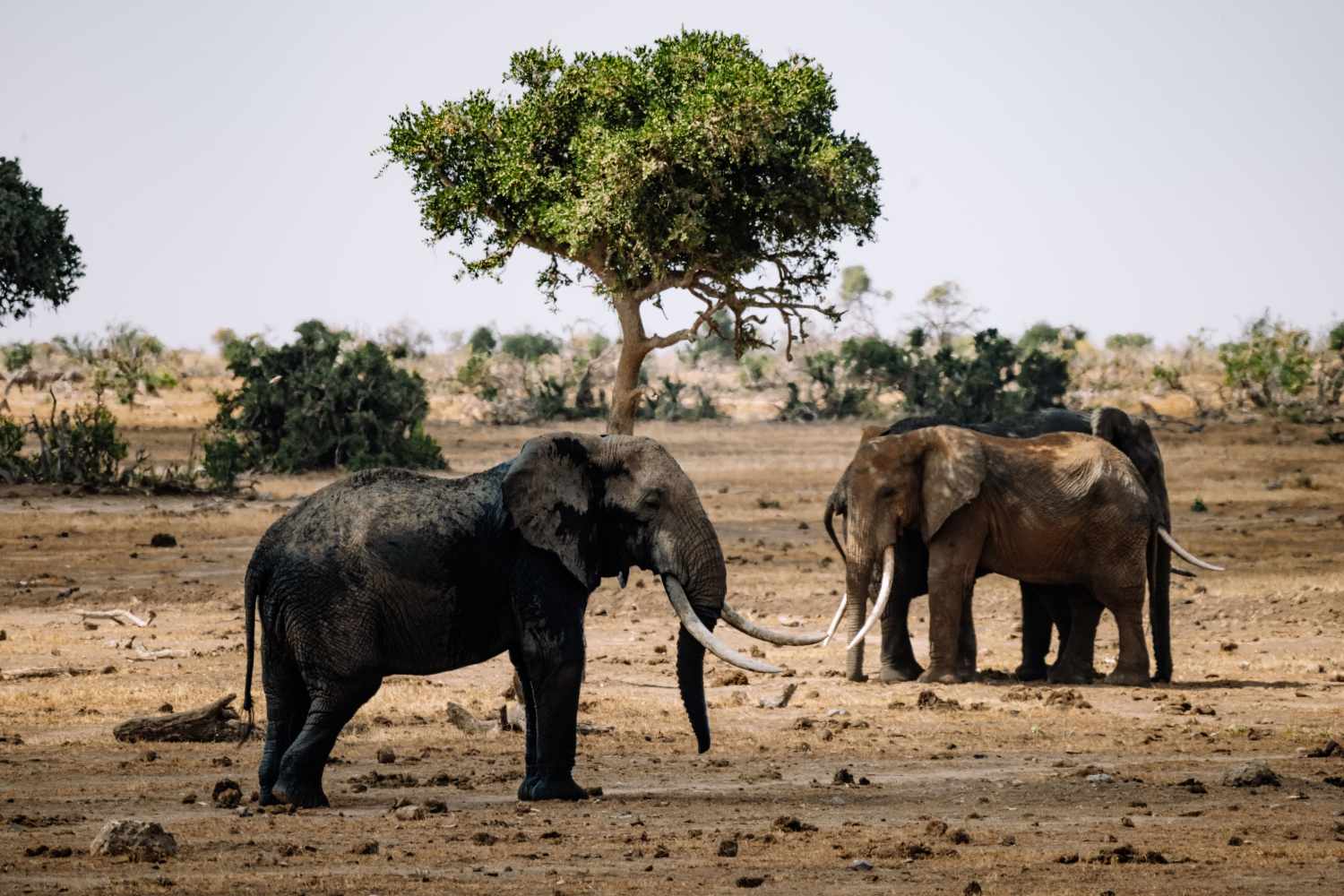
Large African elephants continue to fulfill their role as ecosystem architects well beyond the end of their biological lives. Scientific research that lasted over 15 years and was published in the magazine PNAS demonstrates how the remains of these impressive mammals modify the composition of the soil, the vegetation and the habits of the local fauna for at least 8 years after their death, influencing the natural dynamics of the Kruger National Park in South Africa.
The genesis of the research and the intuition of Dave Thompson
The origin of the study dates back to 2009, when researcher Dave Thompson witnessed the natural death of Alexander, the famous male specimen with large tusks. Observing the rapid decomposition of the body along one of the main roads of the reservation, Thompson began systematic monitoring together with his colleague Deron Burkepile of the University of California at Santa Barbara. The investigation involved a multidisciplinary team of ecologists, microbiologists and rangers to measure the chemical and biological transformation produced by the carcasses over time.
Chemical transformations and soil fertilization
The presence of a fallen giant generates an immediate and profound impact. Initially, the weight of the body eliminates the surrounding plant cover, creating a bare area expanded by the action of scavengers such as hyenas and vultures. Subsequently, decomposition releases high concentrations of nitrogen compounds, resulting in ammonium levels up to 3,000 times higher than normal. This temporarily toxic saturation inhibits the original flora and reduces the biodiversity of bacteria in the soil. With the progressive runoff of nutrients, the soil regenerates exceptionally nutrient-rich pioneer vegetation.
The attraction of herbivores and the parallel with the seas
The grasses grown on the clearings of the carcasses become an irresistible attraction for grazers such as zebras and ungulates. Herbivores constantly frequent these points to feed, increasing the fertility of the soil through their feces and keeping the nutritional cycle active for years. The authors of the investigation compared the phenomenon to whale falls, the whale carcasses that sink to the ocean floor creating biological oases. Unlike the abyss, however, in the savannah the excess of resources tends to concentrate the vegetation on a few highly competitive species. The extinction of megafauna on other continents has thus erased fundamental ecological processes that once shaped the entire planet.
