
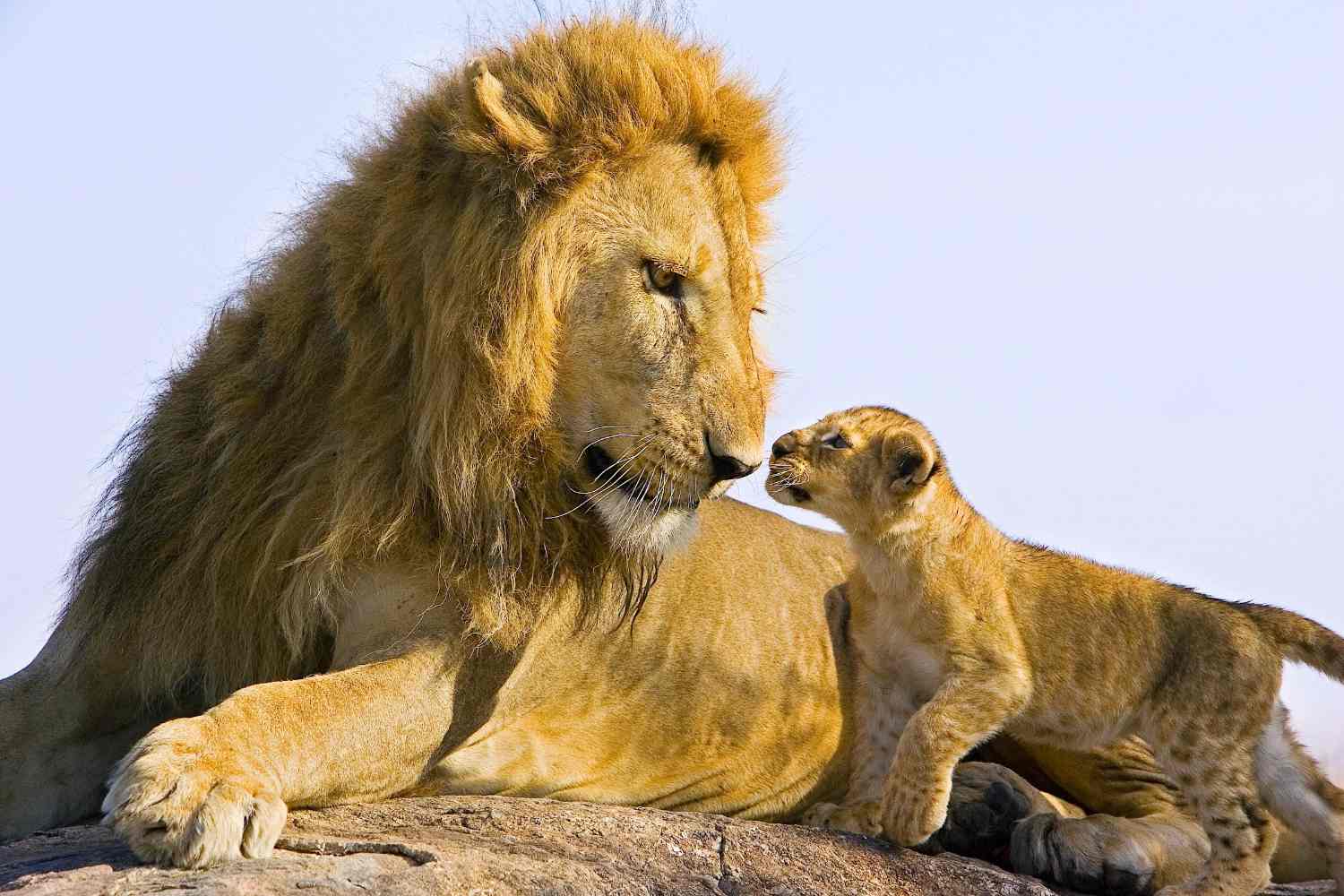
Since Disney’s “The Lion King”. was released in 1994, the majesty of lions has captured the imagination of millions of people around the world. However in the last three decades the lion population in Africa has decreased drasticallylosing about half of its original number.
The causes of this decline are multiple: habitat loss, human-lion conflict and wildlife crime have played a significant role, leaving today only around 23,000 lions in the wild. Preserving the lion kingdom requires an approach that protects not only the animals, but also their habitats and nearby human communities.
This is why the Wildlife Conservation Network’s Lion Recovery Fund has adopted this holistic strategy since 2017 to support conservation initiatives across Africa. Working with local and international organizations, the fund focused on protection of lions, their prey and the promotion of peaceful coexistence between humans and animals.
The “Protect the Pride” campaign
The live-action adaptation of “The Lion King” in 2019 sparked a significant partnership between Disney and the Lion Recovery Fund through the global campaign “Protect the Pride“. This initiative raised public awareness and raised funds for the conservation of lions, allowing the financing of over 300 projects in 25 countries. Thanks to these efforts, many of the lion populations in critical sites are showing signs of stability or growth.
With the release of “Mufasa: The Lion King,” Disney and the Lion Recovery Fund have renewed their collaboration, relaunching the “Protect the Pride” campaign. The goal is ambitious: double the African lion population by 2050. The funds raised will support conservation groups, governments and local communities, creating a lasting impact not only for lions, but also for the landscapes and people who inhabit them.
The Disney Conservation Fund has been a pillar in global conservation efforts for more than two decades. By connecting one of their most beloved stories, “The Lion King,” to the reality of conservation, Disney is mobilizing millions of people to support a crucial cause to build a future where lions and humans can thrive together.
