
Driving with a foggy windscreen is not only an annoying inconvenience, but represents a serious risk to road safety. This phenomenon, particularly common during seasonal changes and on humid days, can significantly compromise the driver’s visibility, making it difficult to quickly identify other vehicles, pedestrians and cyclists.
According to article 141 of the Highway Code, drivers have the obligation to maintain optimal visibility while driving. Violation of this rule can result in administrative fines of between 42 and 173 euros, with the possibility of suspension of the license in the most serious cases.
Baking soda
Baking soda is a versatile product that almost everyone has in their pantry. Its effectiveness goes far beyond common cleaning and deodorization applications: it is in fact a powerful natural moisture absorber. To take advantage of this property in the car, simply pour a generous amount into a small bowl or leave the package open, placing it strategically in a corner of the passenger compartment. With all doors closed, the baking soda will gradually work to absorb excess moisture, while simultaneously eliminating any unpleasant odors.
Sock method with litter
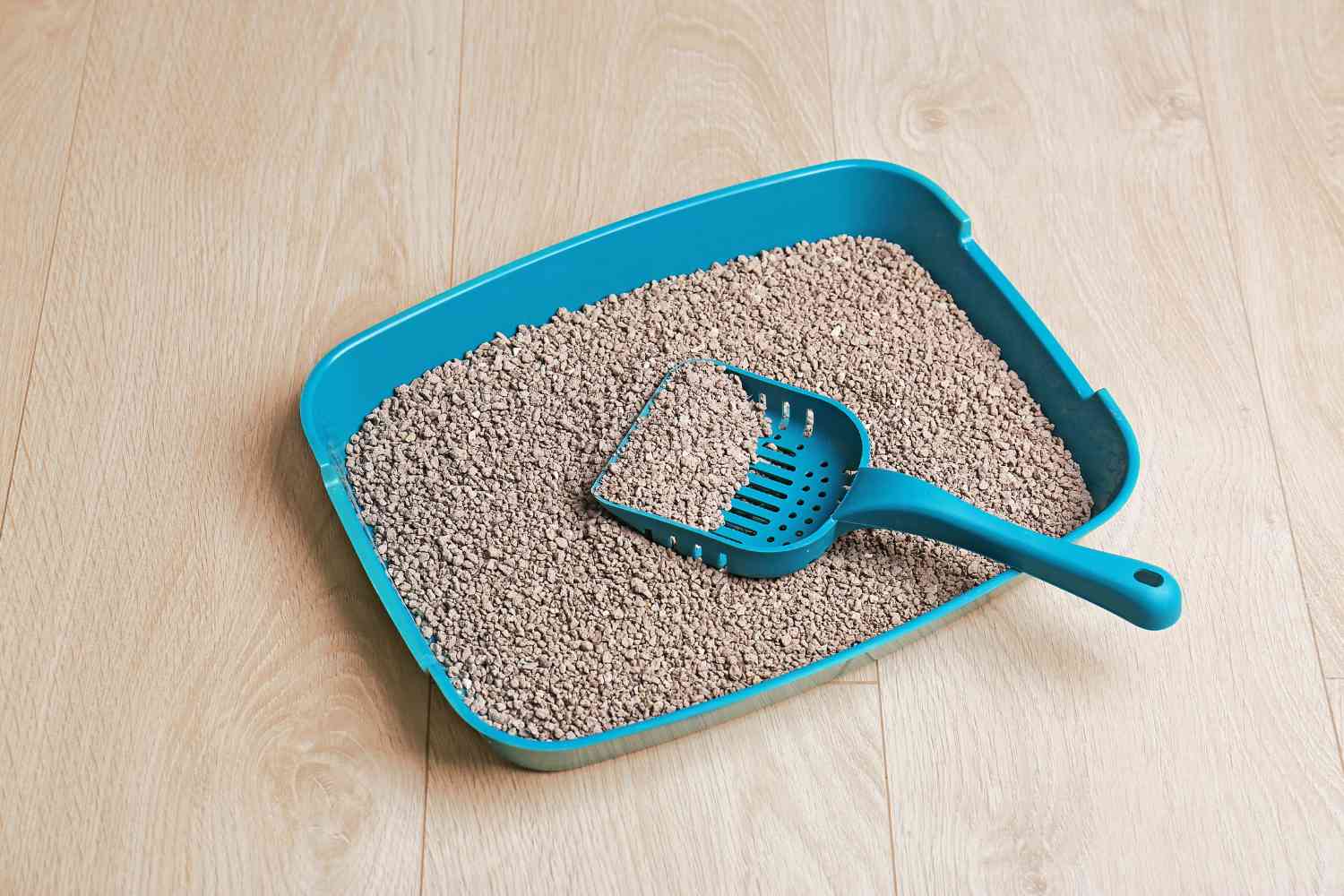
This creative method reuses common objects in an innovative way. The process is simple: you take an old sock without its pair and fill it with traditional cat litter (avoiding the clumping litter). It is important to close the sock tightly with a sturdy elastic or tape to prevent leaks. To maximize effectiveness, it is recommended to place these DIY absorbers in several strategic places in the car: on the dashboard, under the seats and in the trunk. The litter has excellent absorbent properties and keeps the windows dry. To maintain the effectiveness of the system, it is advisable to replace the litter every two to three weeks. An equally valid alternative is the use of wood pellets, which offer comparable results.
Silica gel
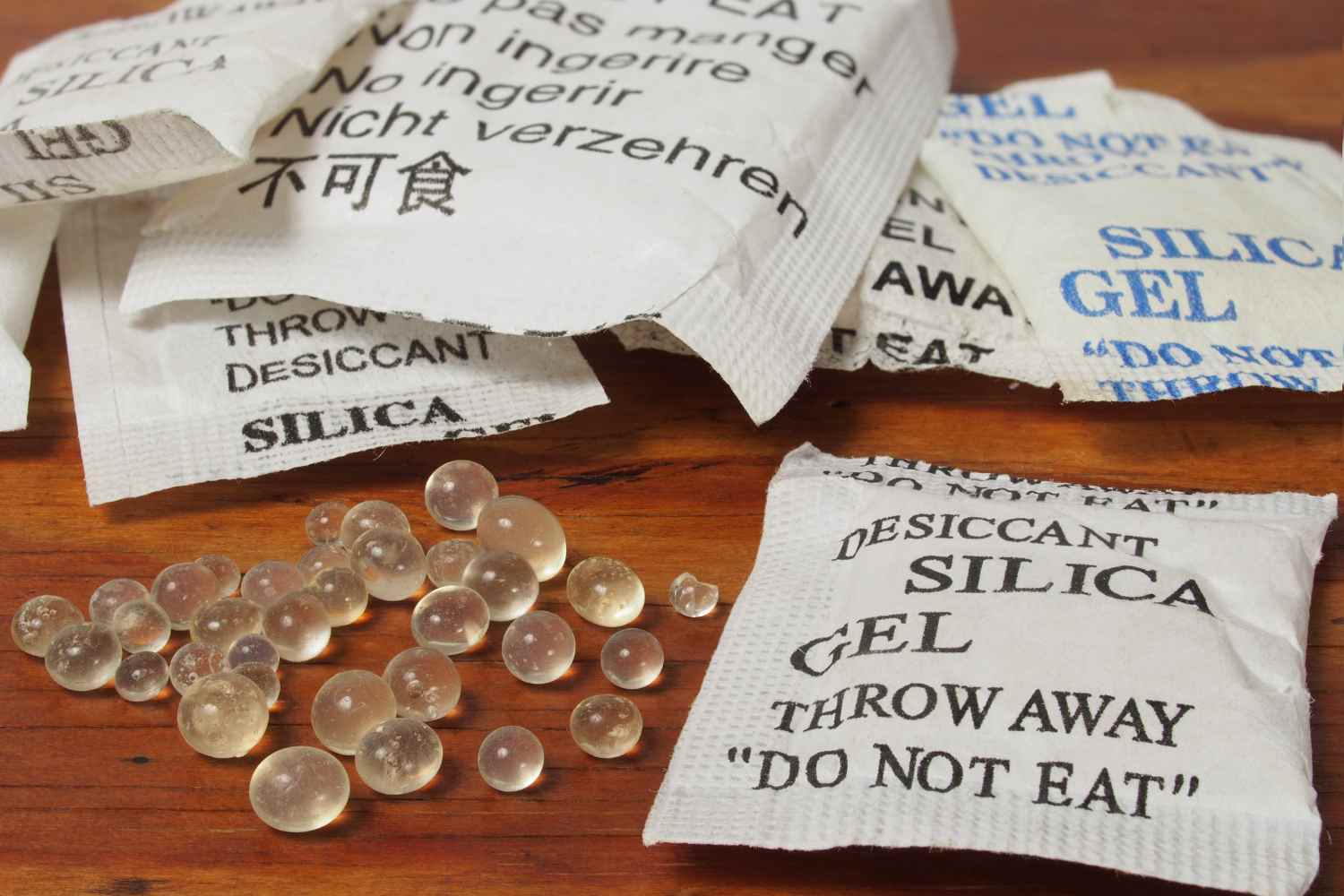
Silica gel sachets, often considered waste to be discarded, are actually precious allies in the fight against humidity in the car. These small bags, commonly found in the packaging of shoes, bags and electronic products, can be collected and distributed strategically throughout the passenger compartment. Sweet spots include the dashboard, door pockets, and any other convenient space. It is possible to recognize when it is necessary to replace them: when the sachets begin to swell, it means that they have reached saturation. It is crucial to remember that silica gel is toxic, so it is essential to place the sachets out of reach of children and pets.
Coarse salt technique
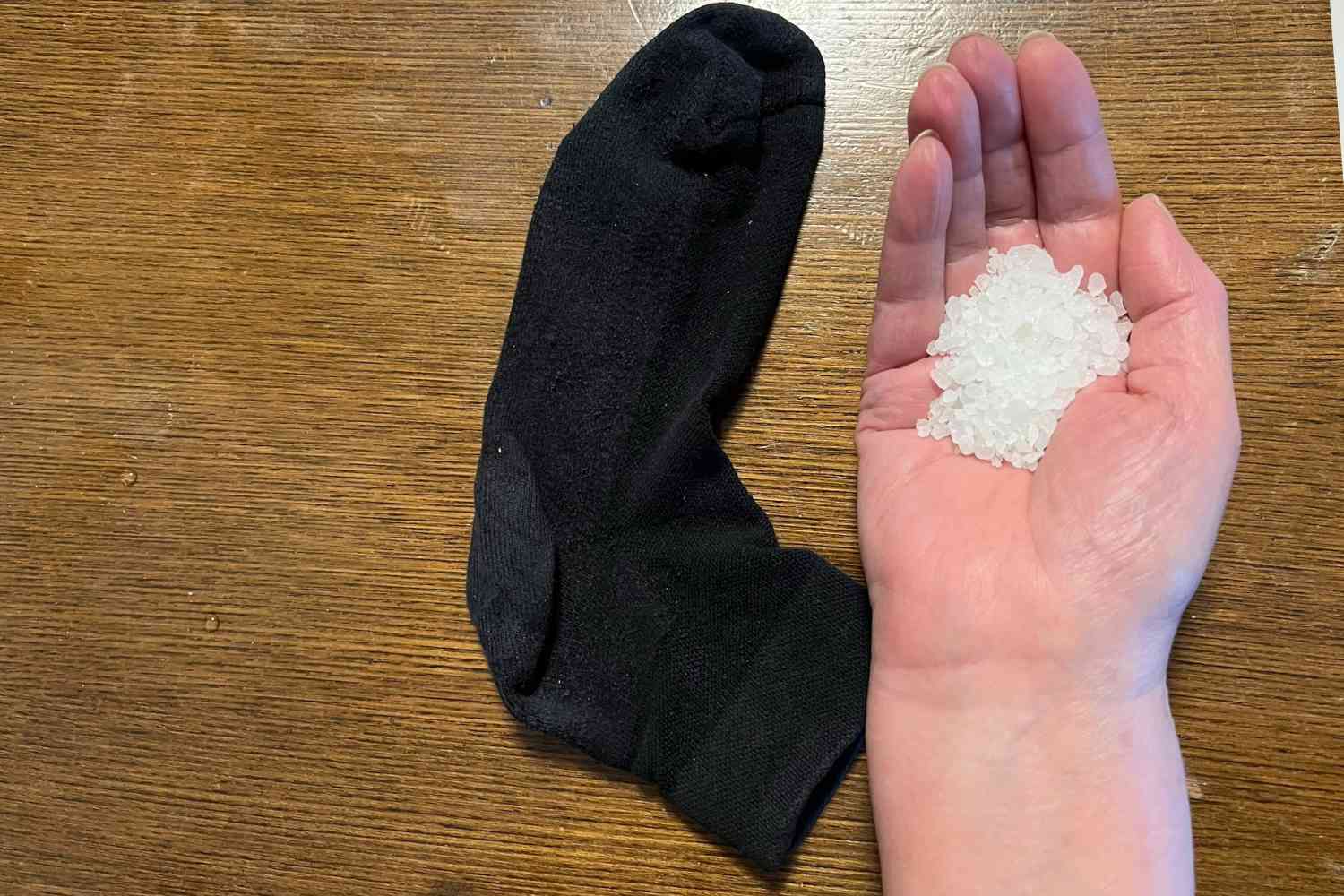
This traditional solution, passed down from generation to generation, has proven particularly effective. The method consists of creating a cloth bag filled with coarse salt, or even a sock to place on the dashboard. A crucial aspect of this technique is the need to use protection: it is essential to place a plate or aluminum foil under the bag, as coarse salt can be corrosive to the plastic surfaces of the car. The effectiveness of this method is proven: even in the early hours of the morning or after long stops, the windshield remains free of condensation.
Rice method
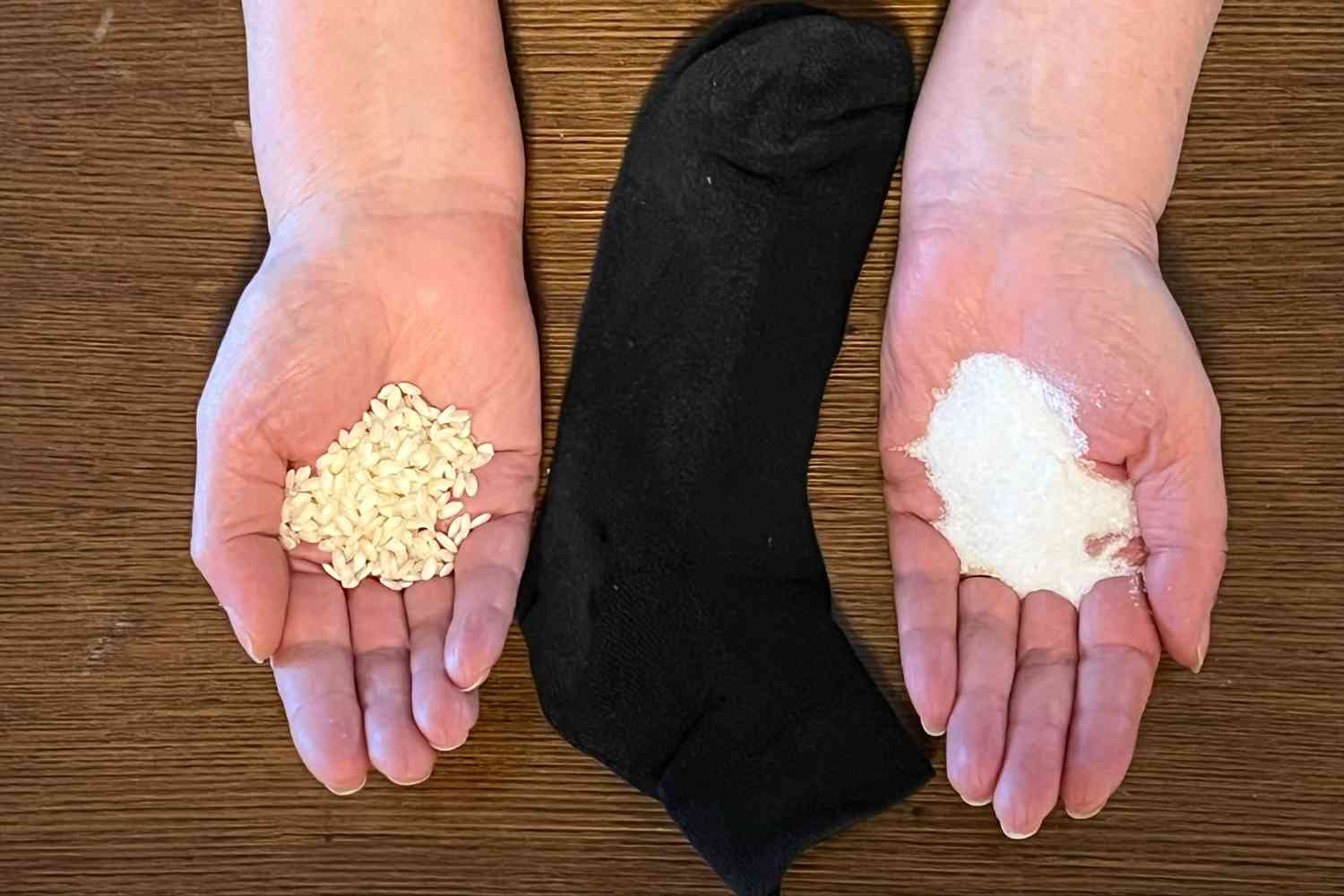
A particularly accessible and convenient solution involves the use of dry rice. The procedure is similar to that of salt: you take a cloth bag or a clean sock and fill it with dry, uncooked rice. The bag should then be placed on the dashboard or under the car seats. Rice works as a natural dehumidifier, effectively absorbing excess humidity in the passenger compartment.
If you want to avoid a fine, but above all wake up in the morning knowing that your windscreen is torn, follow one of these tips, seeing is believing.
