
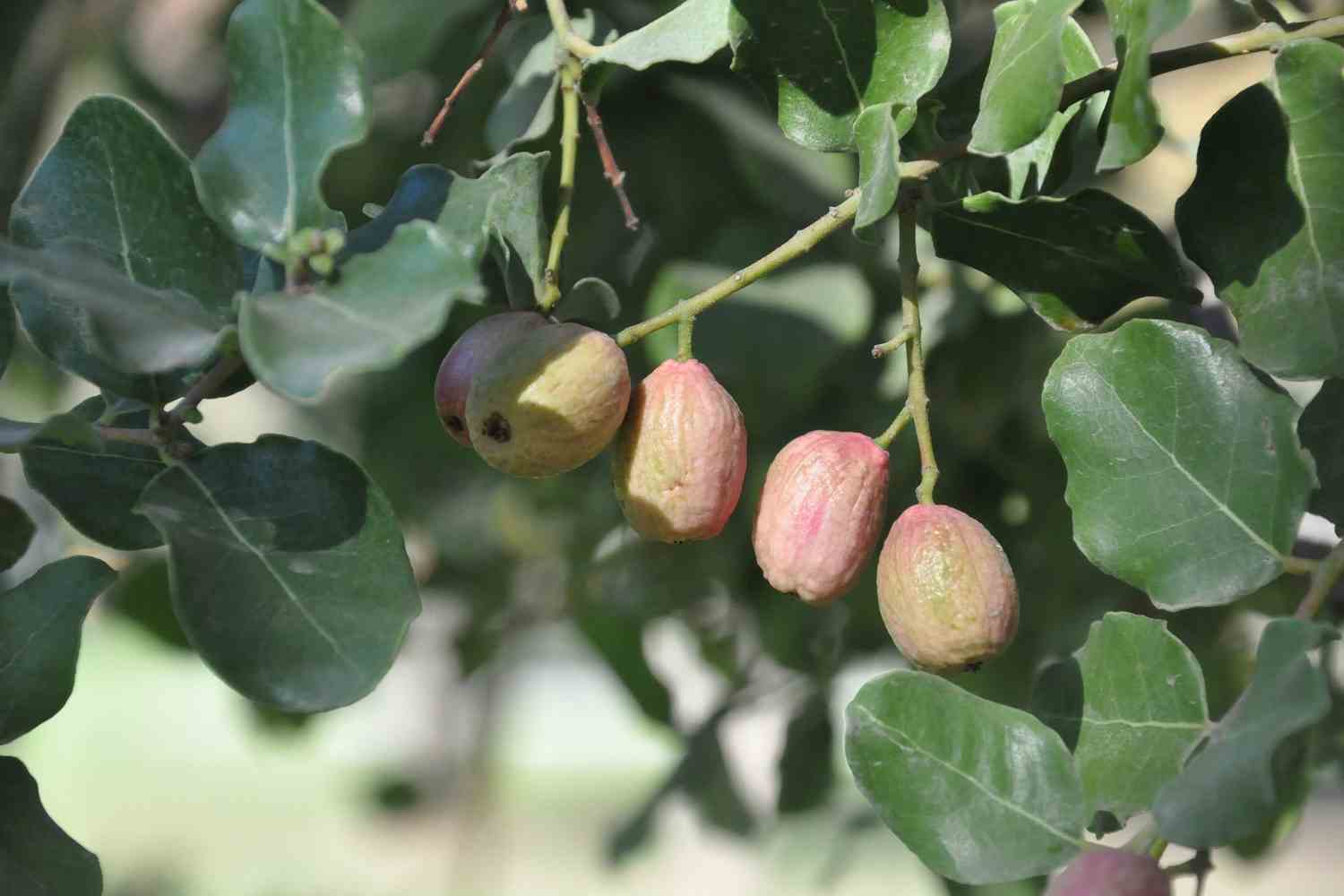
Peumo (Cryptocarya Alba) is an extraordinary tree originally from Chile, who in recent years has captured the attention of scientists and environmentalists for its multiple properties. This plant, a symbol of the sclerophilical forests of Central Chile, is proving to be a crucial resource in the fight against climate change and in the safeguarding of global biodiversity. That’s why Peumo deserves to be known and valued.
A tree proof of extreme climate
Peumo stands out for its ability to adapt to difficult climatic conditions, growing both in humid and arid environments. Unlike other arboreal species, it does not require large quantities of water, a crucial aspect in an era in which water scarcity is becoming a global challenge. In addition, it is known to release humidity in the atmosphere during periods of high temperatures, helping to mitigate the effects of heat waves in urban areas.
This feature, although it requires further scientific studies for full validation, makes it an ideal candidate to be planted in the cities, where it can act as a natural regulator of the microclimate, reducing the need for artificial cooling systems.
A perfect tree to plant in the city
Peumo is a tree with little invasive roots, a quality that makes it perfect for planting in roads and public gardens. Unlike other species that often require expensive maintenance to avoid damage to infrastructure, peumo grows in an orderly and safe way. Thanks to its wide hair and the ability to reduce noise pollution, it offers a natural barrier against the sound of cities.
In addition, the tree does not cause allergies, a significant advantage over other urban plants that often aggravate respiratory problems in sensitive populations.
Absorbs large quantities of carbon dioxide
Among the most surprising qualities of PEUMO there is its ability to absorb large quantities of carbon dioxide (CO2), the main gas responsible for global warming. This feature places it at the center of the reforestation and mitigation strategies of climate change. In adulthood, it is estimated that a single PEUMO tree can have an impact equivalent to ten air conditioners in terms of reducing the environmental temperature.
It is no coincidence that Peumo is arousing the interest of countries such as the United States and China, increasingly attentive to the need to integrate plant species resilient into their environmental management policies.
A treasure for biodiversity
Peumo is not only an ally of man, but also a vital resource for fauna. Its flowers, rich in nectar, are an important source of nourishment for bees, fundamental insects for the ecosystem and increasingly threatened by human activities. In addition, its edible fruits attract a great variety of birds, contributing to the conservation of local biodiversity.
This tree plays a key role in maintaining ecological balances, creating safe habitats for numerous animal and vegetable species.
Medicinal properties and benefits for man
The leaves of peumo have been used for centuries in traditional Chilean medicine for their therapeutic properties. Rich of phenolic compounds and flavonoids, they are known for their anti -inflammatory and antimicrobial effects. The extracts of the leaves and the cortex have shown a surprising efficacy against drug -resistant bacteria, such as Staphylococcus aureus.
Its fruits, intense red berries, are also a real concentrate of health. Rich in antioxidants such as Quercetin, they offer benefits for cardiovascular health and cell protection, contributing to the prevention of chronic diseases.
In addition to its ecological and medicinal qualities, PEUMO distinguishes itself for its beauty. With its thick hair and the aromatic scent of the leaves, it embellishes any environment. It is not uncommon to see it used as an ornamental plant in gardens and public parks, where it adds a touch of lush green and attracts visitors for its natural charm.
This combination of aesthetics and functionality makes it an increasingly popular choice in sustainable urban planning projects.
Despite all its qualities, PEUMO is an endemic species of Chile and risks being neglected internationally. Its diffusion could represent a concrete response to many of the contemporary environmental and social challenges, but this requires a global commitment in its protection and promotion.
Planting more peoples does not just mean improving the aesthetics of cities or solving local problems; It means investing in a more sustainable future for the planet. His ability to absorb CO2, to attract biodiversity and to offer direct benefits to man makes it a visionary plant, which deserves attention and support worldwide.
