
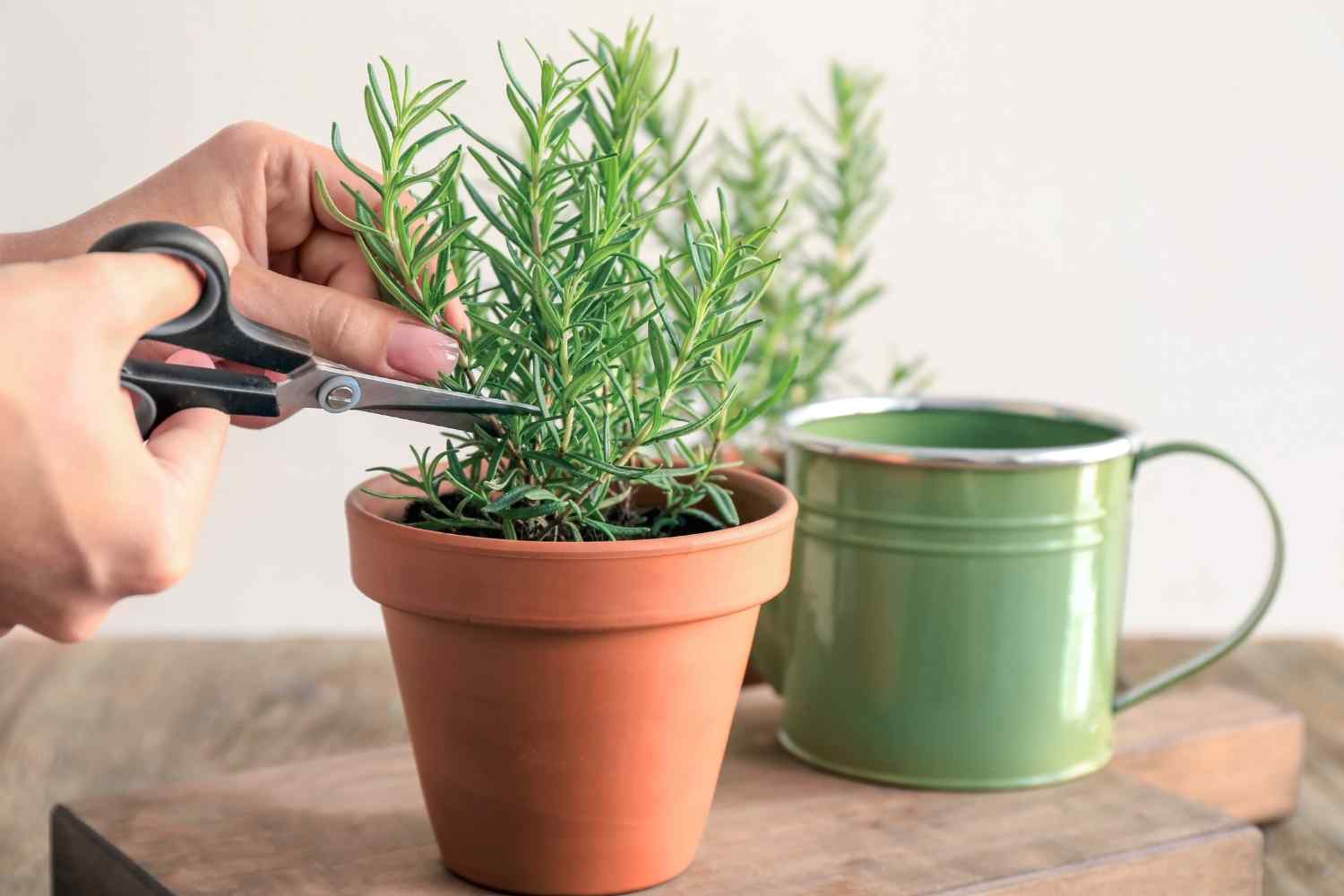
Cultivation from cuttings is a plant reproduction technique that allows you to obtain a plant genetically identical to the mother one. A part of the plant is taken (usually a twig or leaf), which subsequently develops roots and grows as an independent plant. This method is particularly advantageous for maintaining the characteristics of the mother plant, such as aroma or shape, and for saving money, since it is not necessary to purchase new plants.
Many varieties of plants can be reproduced by cutting, including aromatic herbs; Let’s find out together how to proceed.
When to reproduce aromatic plants by cutting?
If you are wondering when to reproduce aromatic plants by cutting, it must be said that the ideal time changes based on the plant chosen. Usually, however, the best period is in spring or summer, between August and early September.
As for rosemary you can proceed in spring or around September, for lavender the best period is at the end of summer while for sage the month of April is perfect if you want to multiply it by cutting.
How to reproduce rosemary, sage and lavender from cuttings
Before proceeding with propagation by cutting, it is good to underline that once the piece has been extracted from the mother plant, it must not lose water otherwise it will not have the ability to develop new roots.
Furthermore, the cuttings are small and very fragile, therefore, they must be protected from too much cold or excessive heat, and from the wind.
Last, but not least, remember that to ensure that reproduction by cutting is successful, you need to have patience because only with the passage of time will the small plant be able to develop and grow.
To help the plant develop its roots, you can use some commercially available products, such as rooting hormones which, however, are not necessary: the cutting will do everything on its own.
Rosemary cutting
Propagation of rosemary by cuttings can be carried out both in spring and autumn. Here’s how to do it:
If it develops in water, remember to transfer the plant to a pot only when and if the roots are well developed.
Sage cutting
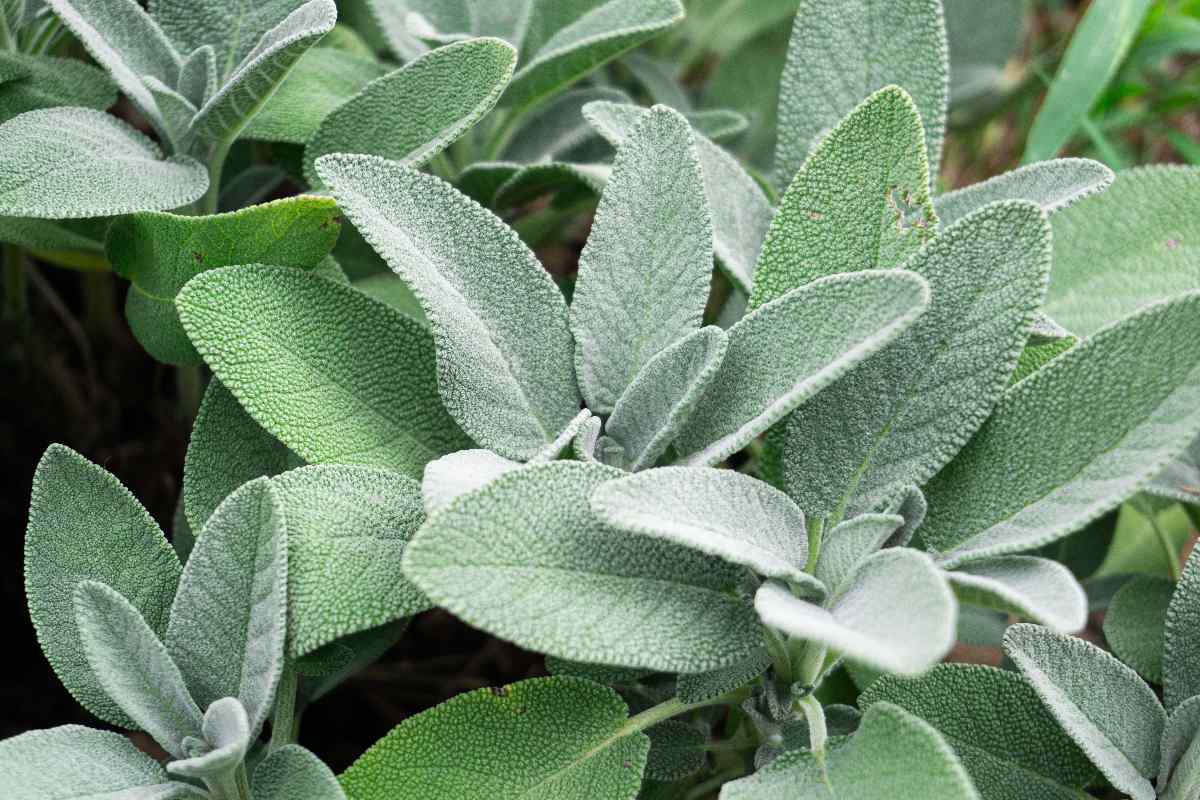
Sage propagation by cuttings is done in April. To proceed, here’s how:
Read also: Because sage is women’s ally herb
Lavender cutting
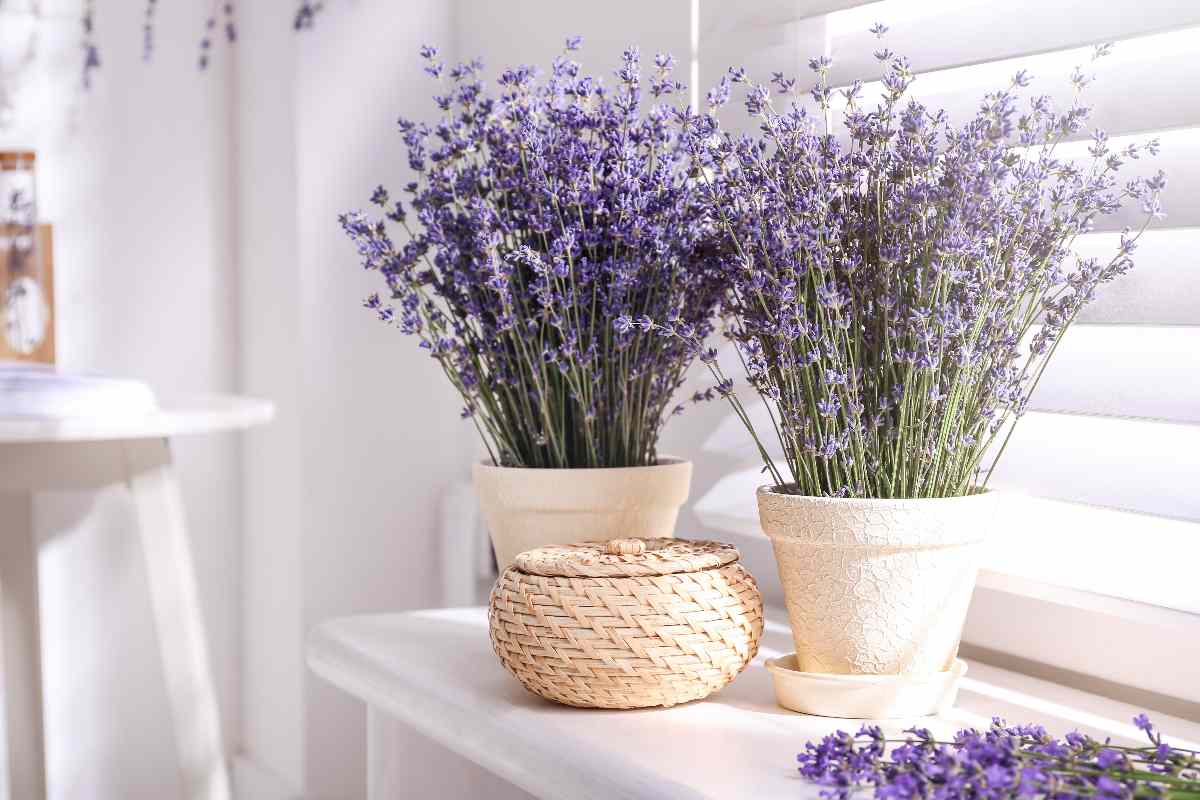
Propagation of lavender cuttings should be carried out at the end of summer, when the plant has finished the flowering period. Here’s how to do it:
Choice of soil and substrates
For successful propagation by cuttings, it is important to choose the right soil. A well-draining substrate is essential to avoid root rot. You can use a mixture of all-purpose potting soil and sand or perlite to improve drainage. Make sure the soil is light and airy, so that the roots can develop easily without encountering resistance.
Common mistakes to avoid when propagating by cuttings
One of the most frequent errors in propagation by cuttings is excess water. Although cuttings need moisture to root, too much water can lead to root rot, preventing root development and causing the plant to die. It is essential to keep the soil moist, but without water stagnation.
Another common mistake is exposing cuttings to direct sunlight. The cuttings, being small and delicate, cannot tolerate excessive heat, so it is best to place them in a bright but shaded place. Direct sun could dry them out quickly, compromising the rooting process.
Finally, it is important to avoid too low temperatures. Cuttings prefer warm, protected environments, so if temperatures are too low, they may fail to develop roots or even die. Make sure you place the cuttings in a place protected from temperature changes and with a temperature that does not drop below 15°C.
Other aromatic herbs that can be reproduced by cutting
In addition to rosemary, sage and lavender, many other herbs can be successfully propagated from cuttings. Here are some other options:
You might be interested in:
