
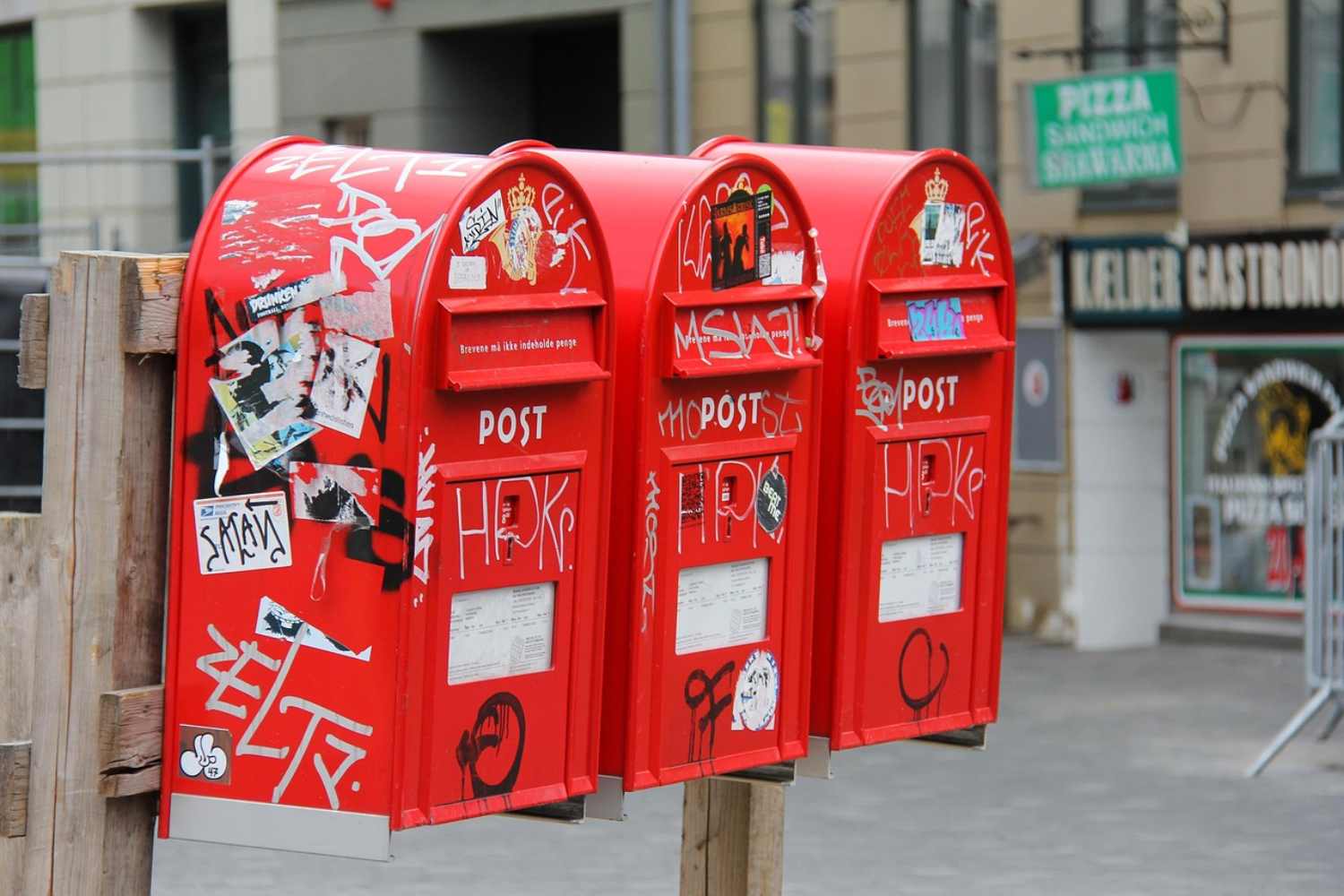
After more than four centuries of operation, the Danish postal service is preparing to deliver its last letter on December 30, 2025, marking the end of a historic institution in the country. Since 1624, paper mail has represented a central element of daily communication, but the progressive advance of digitalization has drastically reduced its use. Over the last 25 years, the volume of letters delivered has fallen by more than 90%, making the service increasingly less sustainable.
The focus is on parcel delivery
The choice to stop letter delivery was announced by PostNord, the company created in 2009 from the merger of the postal services of Denmark and Sweden. The company explained that demand for traditional mail has declined so much that it does not justify maintaining the service. At the same time, the constant growth of e-commerce has pushed PostNord to concentrate resources and investments on parcel delivery, today considered the real engine of the logistics sector.
1,500 layoffs expected
The change will involve a profound restructuring. In Denmark, around 1,500 layoffs and the removal of 1,500 red mailboxes, a recognizable symbol of the postal service, are expected. The reaction of citizens was immediate: a thousand cassettes were sold within a few hours, while another 200 will be auctioned in the coming months. A sign of how much these objects still represent a strong symbolic and emotional value.
What happens from 2026
From 1 January 2026, sending letters to Denmark will not disappear completely. The service will be entrusted to the private company Dao, which plans to increase the annual volume from 30 to 80 million letters. PostNord will continue to operate traditional mail in Sweden and has announced the refund of unused Danish stamps, if requested within a limited period.
An unexpected return among young people
Despite the general decline, some research shows a surprising fact: young people between 18 and 34 send up to three times more letters than other age groups. According to experts, writing on paper represents for many an antidote to digital saturation, a way to re-establish a more authentic and personal contact in a world dominated by screens.
You might also be interested in:
