
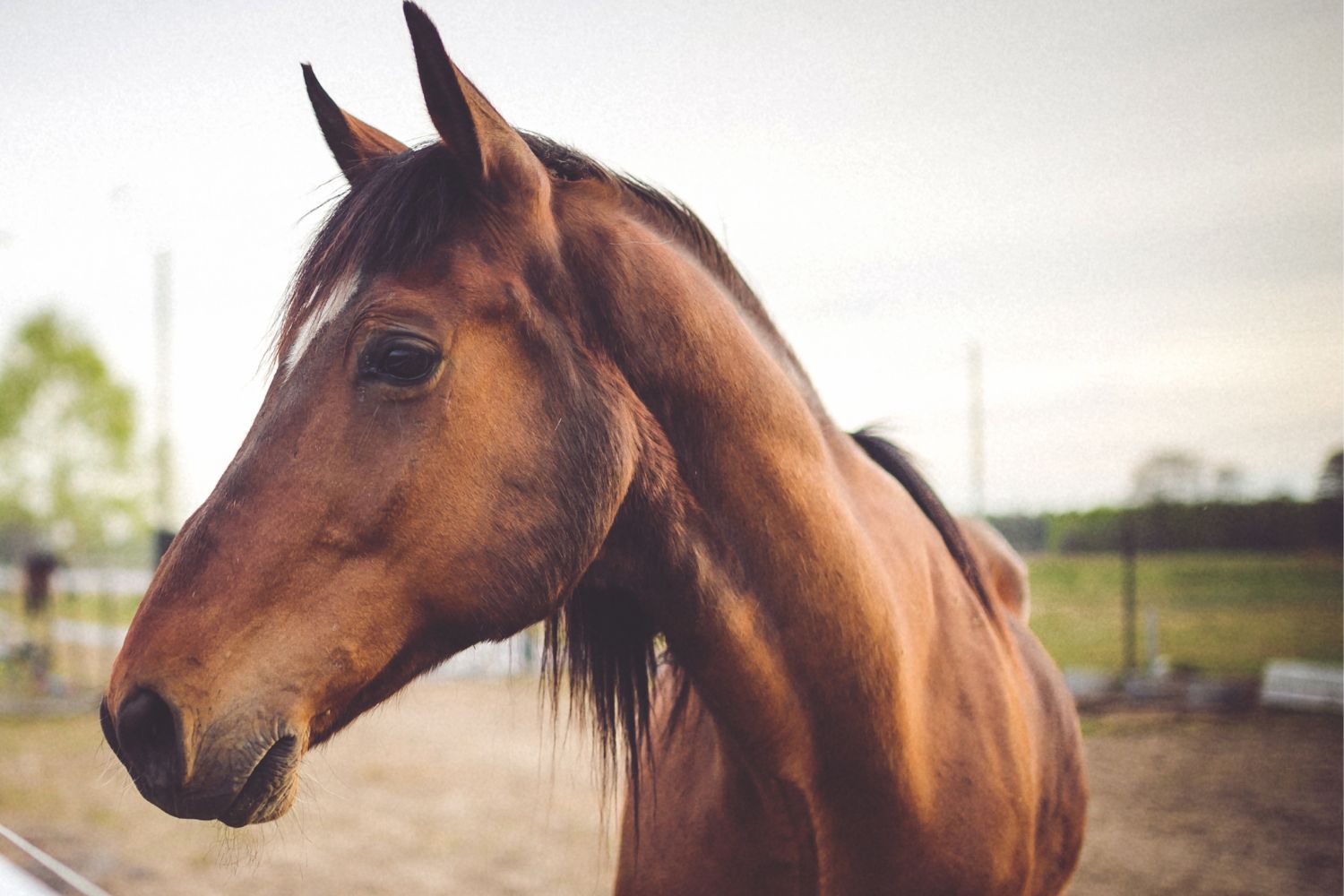
At least 180 horses tested positive for doping in Italy between 2022 and 2025. This is the shocking data that emerged from a cross-analysis of the databases of the Ministry of Agriculture and the Veterinary and Animal Welfare Service, conducted by Animal Equality. But it is not just the number that is controversial: around 10% of the equids involved were still registered as DPA – destined for food production at the beginning of 2026.
The discovery reopens the issue of food safety and traceability in the horse meat supply chain. Anti-doping controls, in fact, are carried out on a random basis and often only concern animals involved in competitions, leaving a significant part of the sector uncovered. According to the organization, the data collected could only represent an underestimate of the phenomenon.
Banned substances and delays in checks
The substances detected in the tests are not marginal. Among the reported cases are powerful anti-inflammatories such as phenylbutazone and flunixin, stimulants such as caffeine and even banned or illegal substances including cocaine and dermorphine, a particularly powerful opiate. Some horses that tested positive for these compounds were not promptly excluded from the feeding circuit.
The analysis also highlights delays in measures. In some cases, equids testing positive for prohibited substances were still classified as suitable for slaughter years after the checks. A horse testing positive for phenylbutazone in 2025, for example, would not be removed from the supply chain until March 2026.
The case reaches Parliament
The data prompted the Honorable Carmen Di Lauro to present a parliamentary question addressed to the Ministry of Health, asking for clarification on the critical issues that emerged. The topic is intertwined with the legislative proposals already filed in the Agriculture Commission which ask for a ban on the slaughter of equids in Italy.
According to what emerged, the control system would also present information gaps and inconsistencies between the databases, especially for horses born abroad. This would make traceability more difficult and increase the risk of errors in the classification of animals intended for consumption.
Between food safety and animal welfare
Animal Equality highlights how the horse meat supply chain presents structural problems, including limited controls, long transport and cases of irregular slaughter. The organization is calling for regulatory intervention, also supported by over 250 thousand signatures collected in a petition (which can be subscribed to at this link) to ban the slaughter of equids.
The question now shifts to the political level. The data on doped horses destined for slaughter relaunches the debate on the transparency of controls and consumer protection, while Parliament is called to evaluate the proposals already presented to modify the current legislation.
You might also be interested in:
