
@123rf.com/pacoaracena1965
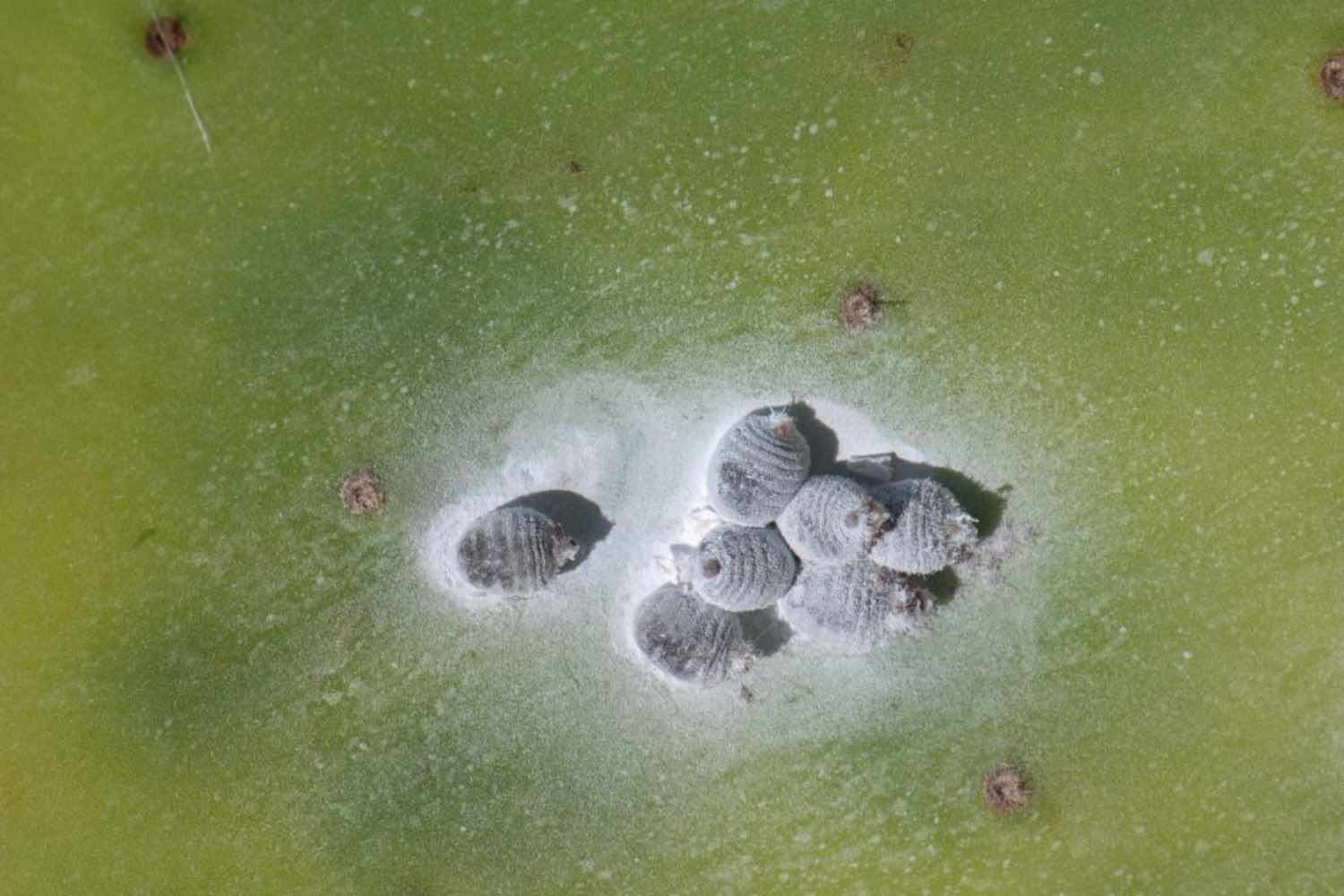 Cochineal can create many problems in your garden or for your ornamental plants: learn to defend yourself from these parasites with 5 effective and obviously super green methods!
Coloring your thumb green is not enough to be eco-friendly but also keep up with the times. Urban gardens are a constantly growing reality as more and more people realize the benefits of growing and harvesting their own vegetables.
Taking care of your garden may have long-term benefits that you don’t expect, but beyond this, it can be a great solution to strengthen your food independence and help create safe spaces for insects and birds to take refuge. You help yourself and the environment in one fell swoop. If you are just starting out, you absolutely need to know what scale insects are, the problems they cause and above all how to eliminate them from your plants without using chemical pesticides.
https://www.greenme.it/casa-e-giardino/coltivare/cocciniglia-rimedi-naturali/
What is a mealybug and why is it dangerous for my plants?
Mealybugs are parasites that can infect many different types of plants, especially vegetable plants, but also flowers and ornamental plants. These insects multiply very easily in hot and dry climates (so in summer you have to pay close attention to your personal garden) and the bad news is that their presence can prevent your plants from carrying out chlorophyll photosynthesis or even from developing fungal infections. This substance that is released by scale insects is called honeydew and has a whitish color, as do the scale insects themselves.
For this reason, if you see white marks on your plants, you need to take action immediately. These parasites can affect all parts of the plant: branches, flowers, fruits and stems are not safe.
There are two families of scale insects:
As you can see, if you have citrus trees you have to be particularly careful because they are attacked very easily by both species of scale insects. Another thing to keep in mind is that some species of this very common parasite could feed on the sap of any plant, and for this reason they are called polyphagous.
Now that we know what they are, let’s learn together what are the best methods to get rid of mealybugs and save your plants without using chemical pesticides
What are the most effective and green methods for eliminating scale insects?
Today we will teach you 5 practical and simple solutions to save your plants from an infestation of scale insects:
- Water and Marseille Soap: in general, washing the plant can be an excellent solution for getting rid of scale insects, especially if there are fewer of them. Using a spray bottle, you can wet leaves, branches and fruits. Although water alone can be effective, adding a few flakes (or drops) of castile soap can clean your plants much more effectively, eliminating scale insects
- Garlic: If you have enough space, planting garlic bulbs in your garden will help repel both mealybugs and many other types of pests, as well as providing you with a supply of organic garlic with an intense, aromatic flavor. You can prepare a decoction with garlic and spray it on the plants affected by parasites to clean them.
- Propolis: this is a more delicate method that works very well if mealybugs are not very present. By adding two teaspoons of propolis in half a liter of water you can protect and clean your plants.
- Pruning: if the infestation is quite pronounced and you don’t think you can save your plant with the previous advice alone, then you can try pruning the most infected parts. If it is a potted plant, remember to move it away from the rest of your garden to prevent spread.
- Denatured alcohol: This is the last word for all urban gardeners. In case none of the other alternatives have worked, you can rub the rubbing alcohol with a cotton ball on the most affected areas of the plant. This should completely eliminate the problem with these parasites.
- Neem oil: it is obtained from the seeds of a tree native to India and acts in two ways: on the one hand it has a bitter taste which pushes the scale insects to abandon the plant, on the other it blocks their reproductive cycle, preventing the eggs from hatching. It should be diluted in water following the instructions on the package and sprayed generously over the entire plant, in particular on the underside of the leaves where scale insects like to hide. The treatment must be repeated every 7-10 days for a few weeks, preferably in the evening, to prevent direct sun from burning the leaves.
Our six methods are very effective and above all they allow you to take care of your garden without using pesticides, which are present in many of the fruit and vegetables we consume.
