
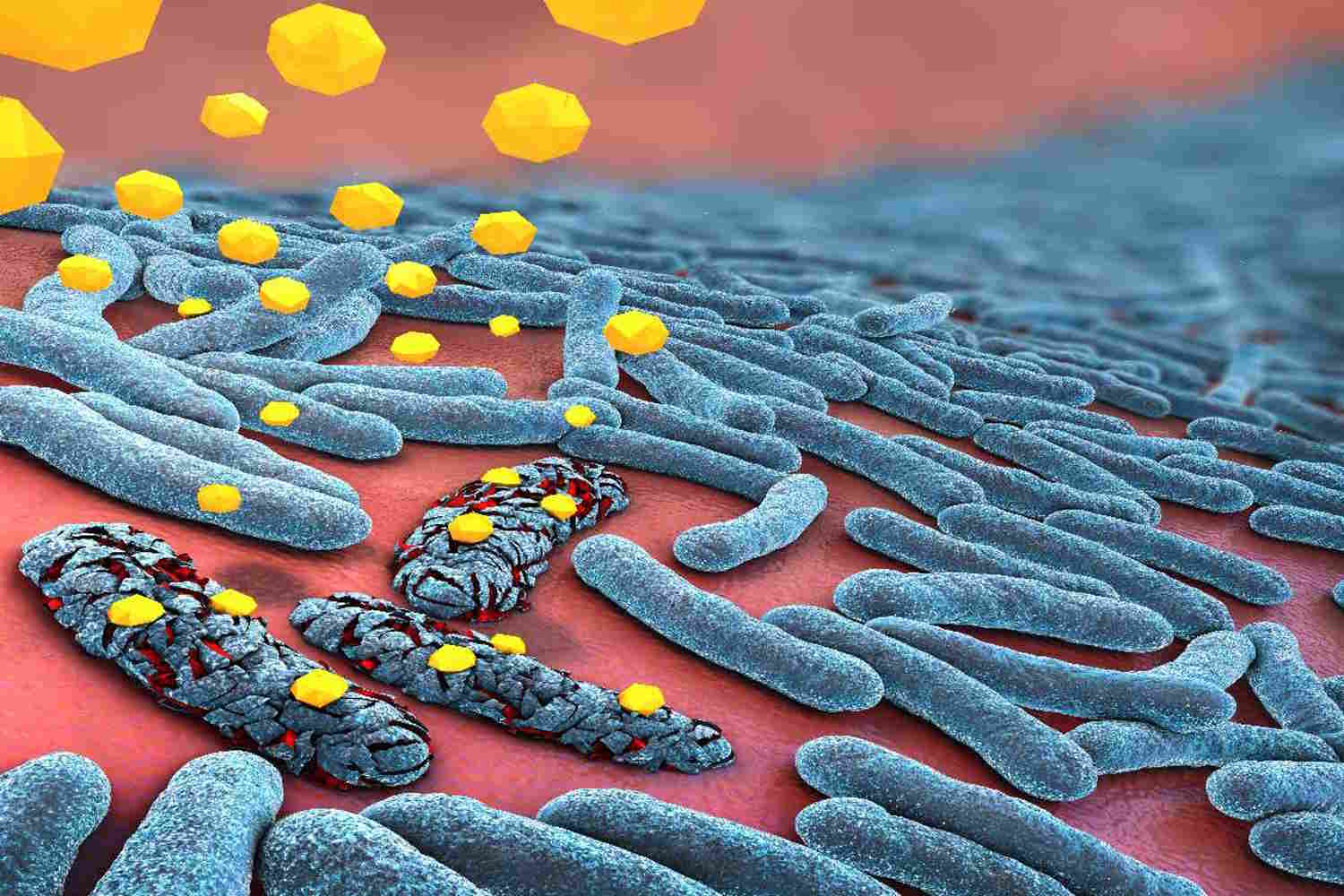
Recent data show that many bacteria continue to be resistant to common antibiotics such as ampicillin, tetracyclines and sulphonym, both in humans and animals. This is particularly true for bacteria like Salmonella and Campylobacter
The growing resistance to ciprofloxacin, an antibiotic fundamental to treat infections from Salmonella And Campylobacteris becoming more and more worrying. In over half of the European countries that have provided data, an increase in the resistance of Salmonella EntertainidisAndCampylobacter Jejuni in humans.
These are the results that emerge from a new report by the European Food Safety Authority (EFSA) and the European Center for the prevention and control of diseases (ECDC).
Even in animals intended for food production, resistance to this antibiotic is very high, especially in Campylobacter, Salmonella And E. coli coming from the poultry. This is an alarming fact, because the World Health Organization has classified the Salmonella non trifoid resistant to fluorochinoloni resistant as a high priority health threat for 2024.
However, there is also encouraging news: resistance to other crucial antibiotics for human medicine is still rare in Salmonella And Campylobacterboth in people and in animals breeding.
Even if the resistance to carbapenemi (a class of very powerful antibiotics) is still not widespread, isolated cases have been found of E. coli resistant in food and animals. This requires attention, because bacteria Enterabacralas Resistant to Carbapenemi are considered a serious threat to public health. To deal with the problem, in 2025 the EFSA will publish a detailed relationship on the spread of these bacteria in the food chain in Europe.
Fortunately, the study says, there are also positive signals:
They are small progress, of course, but the antibiotic resistance remains a serious threat for public health.
