
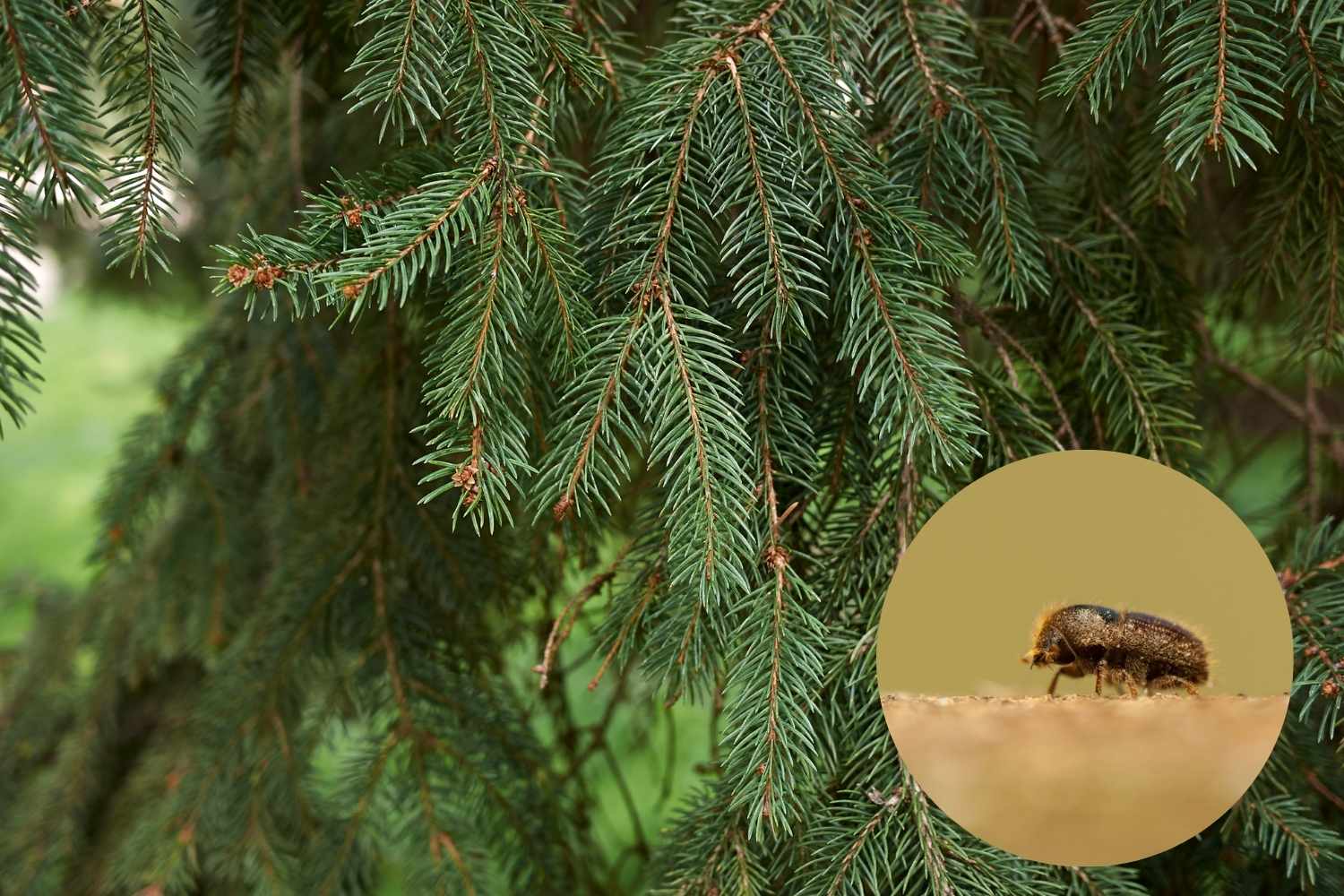
Five millimeters in length is enough for a small brown beetle to depopulate entire spruce slopes. Is called Ips typographusalso called typographer bark beetle and spruce bark beetle, and has been holding the alpine forests of Northern Italy in check for years.
An insect that lives under the bark
The bark beetle is not an intruder arriving from outside, it is a native organism, always present in the coniferous forests of the Alpine arc, where in normal conditions it plays an almost sanitary role, given that it attacks already weak or dying plants and accelerates their decomposition. The problem begins when he finds too much food available all at once. The adults dig the so-called nuptial chambers under the bark, where mating and egg-laying take place; the larvae then continue with galleries that widen in a radial pattern, interrupting the flow of sap. The affected tree gradually loses its needles, from the top downwards, and the bark begins to peel off.
The Official Technical Document no. 30 of the National Phytosanitary Service reconstructs the origin of the current emergency in the Vaia storm of 2018, which destroyed tens of thousands of hectares of forest in the North-East. The enormous quantity of wood on the ground offered the bark beetle an unprecedented availability of food, sufficient to upset the balance between the insect and the forest: from a parasite of weakness, limited to already suffering trees, the Ips typographus moved on to attack even healthy plants, in a phase that experts define as epidemic.
The Veneto case: 40 thousand hectares affected in the North-East
The most updated picture comes from Veneto, where the phenomenon was born and is still most widespread. In an official press release dated 10 September 2026, the Region announced that from 2021 to today the infestation has affected between 11 and 12 thousand hectares of Veneto forest, with the most critical situations concentrated in the Belluno area and on the Asiago plateau. Extending our gaze to the entire Northeast, the hectares affected exceed 40 thousand. The regional councilor for Agriculture and Forestry, Dario Bond, on the occasion of the presentation of the docufilm The silence of the forest (dedicated precisely to the problem of the Venetian forests triggered by the beetle) described the bark beetle as a second Vaia, different in its methods, not in the extent of its effects: if the storm felled millions of trees in a few hours, the insect acted in the following years, especially affecting the already weakened specimens. The Region has invested a total of approximately 2.6 million euros, between regional and ministerial funds, to finance monitoring, phytosanitary interventions, bait plants, forest improvement and scientific research, in collaboration with the University of Padua, Arpav and Veneto Agricoltura.
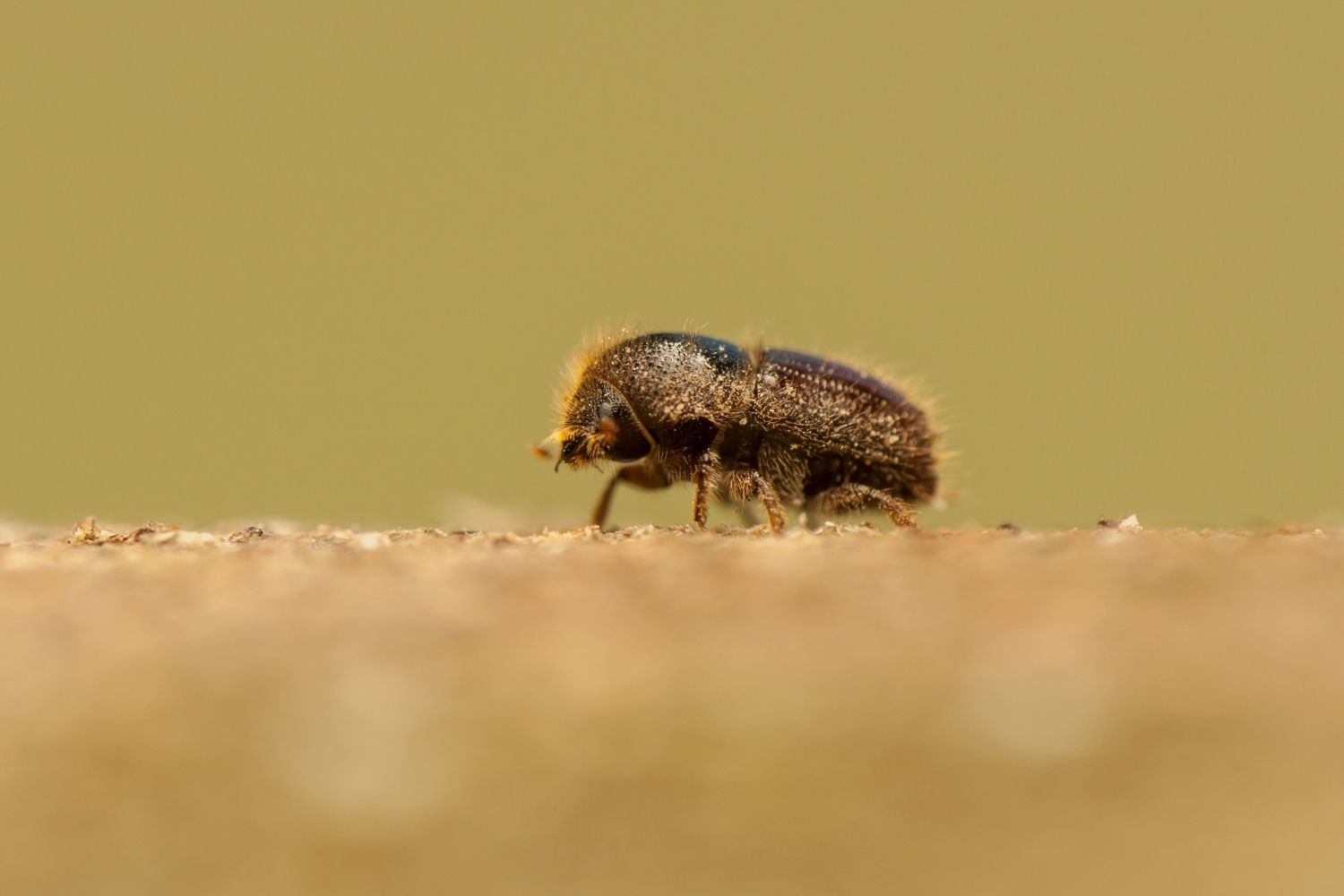
After the peak recorded between 2022 and 2023, the last two years have shown signs of a slowdown: the more favorable climatic conditions have allowed the fir trees to recover part of their natural defenses. However, Bond warned that it would be a mistake to consider the emergency closed, because the bark beetle remains present and the future trend will largely depend on the climate.
Because Piedmont is involved
The phenomenon does not only concern the Dolomites. A bill currently being examined by the Chamber, PDL 1130, indicates the bark beetle as one of the most fearsome forest parasites of all and explicitly mentions Piedmont, together with Lombardy, Veneto, Trentino-Alto Adige and Friuli-Venezia Giulia, among the regions affected by its spread. The text proposes to make the national technical-scientific table on the bark beetle permanent, established by the Ministry of Agriculture in 2021, and to draw up a dedicated intervention plan.
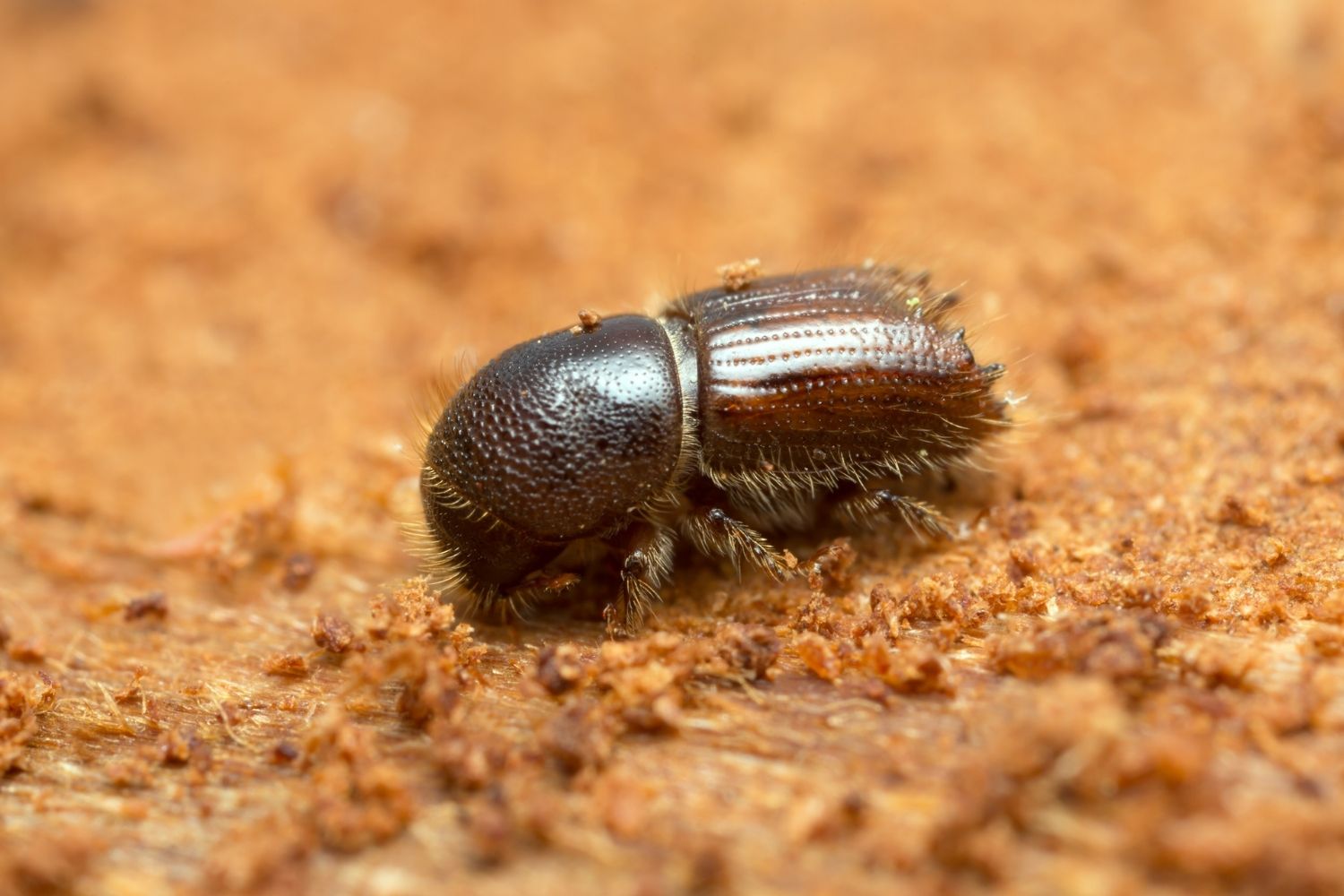
At a regional level, the monitoring of quarantine harmful organisms, a category which also includes the spruce bark beetle, is the responsibility of the Piedmont Region’s Phytosanitary Sector, which monitors the circulation of plant material and ascertains violations of community and national phytosanitary regulations.
The role of drought
The Venetian experience also confirms that the climate plays a part in this story. The bark beetle’s swarming flight starts when daytime temperatures exceed 16.5 degrees and daylight reaches at least fourteen hours, therefore mild winters and early springs bring forward the activity of the insect and reduce its seasonal mortality. Drought does the rest, because it deprives spruces of the resin necessary to repel beetles that try to penetrate the bark, the plant’s first line of defense, which requires sufficient water to function. A well-hydrated tree can contain an attack of a few hundred individuals, on the contrary, a tree stressed by drought also succumbs to smaller numbers, as demonstrated by the slowdown recorded in Veneto in the years with more summer rain.
