
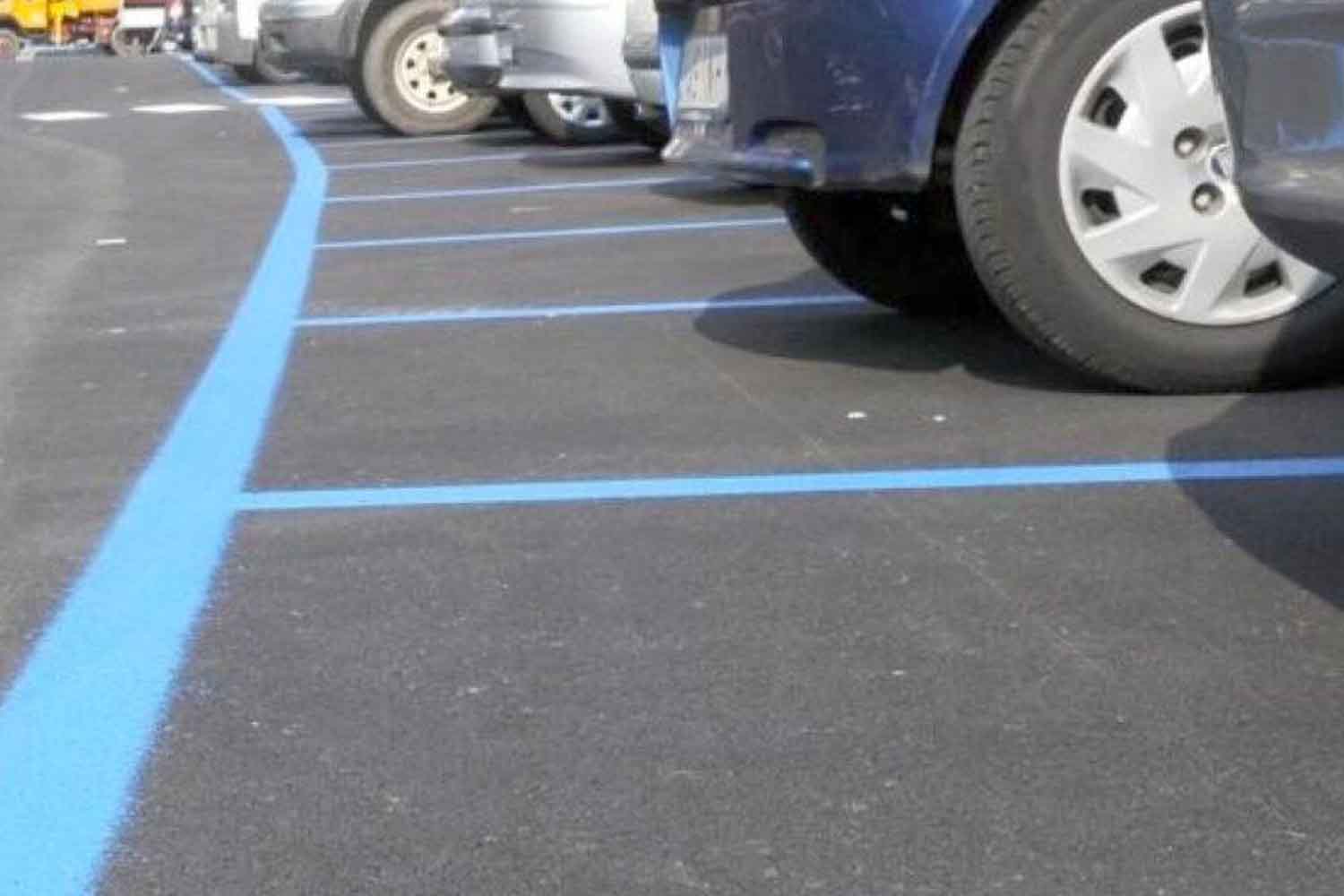
The ticket expires at 7pm, you have paid for an hour and you arrive at the car at 7.05pm. No desperate rush towards the windshield: on the blue lines the new Highway Code introduced by law no. 177 of 2024 provides for a margin of tolerance linked to the parking time purchased. If the assessment occurs within 10% of the paid period, no penalty applies. One hour of parking therefore brings with it six minutes of margin, two hours gives twelve.
The regulation was introduced by law 25 November 2024, n. 177, which came into force on 14 December of the same year, and remains applicable in 2026. Article 24 of the reform inserted directly into Article 7 of the Code three bands for those who have paid for parking, but remain parked beyond the deadline.
Up to 10% of delays will not trigger a fine
The first band is the one that can save those who return to the car a few minutes late. The law establishes that, when the assessment occurs within 10% of the time for which the fee was paid, no sanction is applied.
The calculation then changes based on how much you purchased. With a 30 minute stop the margin is just three minutes; with 60 minutes it rises to six; with two hours it reaches twelve. In short, if you paid from 6pm to 7pm, a check carried out before 7.06pm falls within the tolerance established by the Code.
Once that limit is exceeded, the second tier comes into play. If the check occurs more than 10% and within 50% of the paid time, the fine is reduced by 50%. With a purchased hour it means that, after the first six minutes, the reduced time slot is up to thirty minutes late. With two hours it extends to one hour.
For more than 50% of the time purchased, the full penalty is applied. For violations of the rules on paid parking, the reference is article 7 of the Highway Code, with the administrative sanction provided for in paragraph 14.
Beyond the tolerance, the unpaid fee is also recovered
There is a second account to keep in mind. In cases where the overrun exceeds 10%, the reform also provides for the recovery of the unpaid tariff. The fine and the sum linked to parking therefore have two different functions: one concerns the violation of the Code, the other serves to recover the amount due for the use of the parking space.
The text establishes that, in bands above 10%, the penalties are increased by an amount linked to the entire tariff period on the calendar day on which the assessment takes place. If illegal parking continues beyond midnight, fines and surcharges may also apply for each additional twenty-four hour period.
The distinction becomes important especially when the delay grows. Six minutes after a paid hour may cost nothing; arriving much later means entering a system of progressive sanctions in which the clock definitely begins to weigh.
If you don’t pay for parking, the 10% tolerance doesn’t exist
The margin is only valid when the parking has been paid for, but for an insufficient period. However, those who leave their car on the blue lines without paying any fee cannot benefit from the tolerance percentage: they simply lack the purchased time on which to calculate it.
In this case the Code provides for the sanction and an increase intended to recover the tariff corresponding to the entire tariff period of the day on which the control takes place. Here too, if the violation continues, the mechanism can be repeated for each subsequent twenty-four hour period.
Furthermore, the percentages only concern paid parking. They do not carry over to the other prohibitions: occupying a reserved space, stopping in front of a driveway or parking where parking is prohibited continues to follow the rules and sanctions provided for those specific violations.
For those who regularly pay the blue stripes, therefore, the calculation to remember is rather simple: within 10% no fine, between 10% and 50% halved fine, over 50% full fine. Six minutes seems like a short time, until it’s exactly that which separates the car door from the report.
