
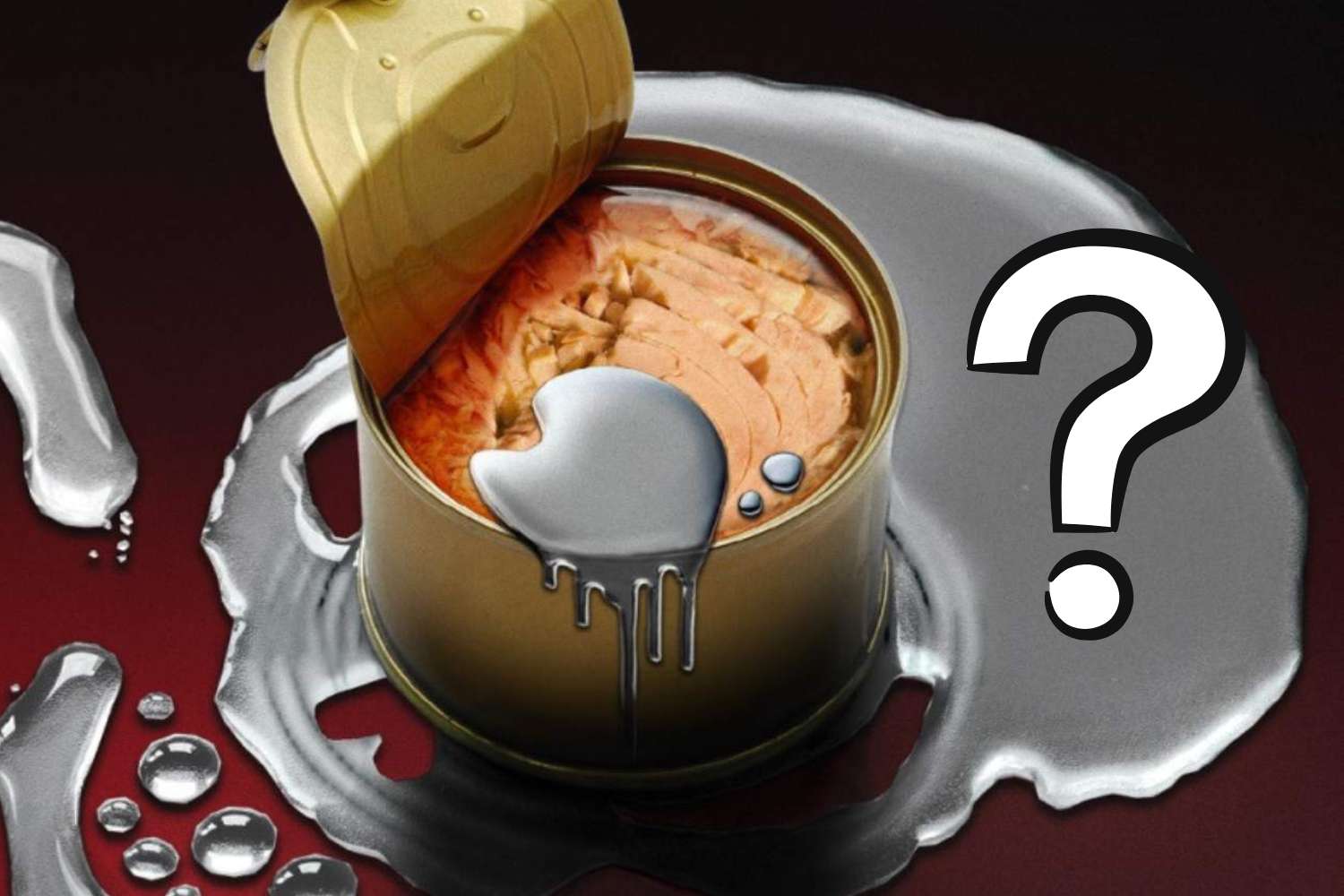
It is in almost all Italian pantries, often in more than one variant. Canned tuna is cheap, protein-rich and versatile, it’s difficult to find an equally convenient food. It is therefore not surprising that it has become one of the most consumed sources of protein in the world, almost an automatic reflex in times when you don’t have the desire or time to cook.
Yet behind that practicality lie two issues that deserve attention. The first concerns health: it is one of the fish with the highest levels of mercury in its flesh. The second is environmental: industrial tuna fishing is among the most impactful on marine ecosystems, and the fact that a can costs little does not mean that its real price is low.
This doesn’t mean you have to necessarily eliminate it from your diet. European health authorities believe that the benefits of consuming fish — quality proteins, omega-3, micronutrients — generally outweigh the risks, as long as you make informed and moderate choices. The problem is not tuna itself, but the tendency to eat it every day, as if it were the only fish that exists.
Knowing the recommended limits, choosing the right species and alternating it with smaller and more sustainable fish are very useful things to know with a view to more conscious consumption.
Mercury in tuna
Mercury occurs naturally in the oceans, but human activities have dramatically increased its concentration in the water. Once there, bacteria turn it into methylmercury, a highly toxic form that accumulates in the marine food chain. The larger a fish is, the longer it lives and eats other fish, the more it concentrates in the meat. Tuna, predator par excellence, is at the top of this scale.
We remind you that prolonged exposure or high doses of mercury can damage the central and peripheral nervous system, with particularly serious effects on the development of the fetus. Pregnant and breastfeeding women and young children are the most vulnerable categories.
Considering all this: how much tuna can you eat per week?
Safe doses of tuna
Fresh tuna typically comes from large specimens, with higher mercury accumulation. For this reason the recommendations are more restrictive:
Canned tuna typically contains lower levels of mercury, but is not risk-free. General indications for healthy adults suggest:
The species also makes a difference. Skipjack tuna (Katsuwonus pelamis), the most common in canned foods, accumulates less mercury than albacore tuna or yellowfin tuna, which live longer and reach larger sizes. It’s worth checking the label before putting the tin in your cart.
The environmental problem
Talking only about mercury in the case of tuna risks reducing the issue to a simple personal risk-benefit calculation. In reality, alongside the issue of health, there is an equally important environmental issue which concerns the entire fishing system.
Tunas — not just bluefin tuna, but also species such as yellowfin tuna and skipjack tuna — are predatory fish that rank at the top of the marine food chain. This makes them particularly vulnerable to intensive fishing, especially when it is practiced on a large scale with industrial methods such as purse seines, often also associated with the phenomenon of bycatch of other species (bycatch), including sharks, turtles and non-target fish.
The pressure on fish resources therefore does not only concern a single species, but the entire ecosystem: the systematic removal of large predators can alter marine balances, with cascading effects on biodiversity.
Environmental organizations such as the WWF invite us to reduce the consumption of large predatory fish and to favor small-sized species, faster in their life cycle and generally less impactful, such as sardines, anchovies and mackerel, as well as products from certified supply chains and selective fishing methods such as line or artisanal fishing.
View this post on Instagram
The alternatives
Mackerel, sardines, anchovies and anchovies are fish as rich in omega-3 as tuna, if not more, with significantly lower mercury levels and a much lower environmental impact. Mackerel in particular is one of the most underrated sources of good fats on our tables, tasty, economical, with fishing that weighs less on ecosystems.
Varying is the golden rule. Not out of fear of tuna, but because diversifying your fish diet simply makes more sense. The problem is not the tuna itself but having transformed it into the only fish that many people eat, perhaps almost every day.
Consuming it with awareness also means asking ourselves where it comes from, how it was caught and whether we are really contributing to a slightly more sustainable marine food system.
Sources: EFSA / RSI
