
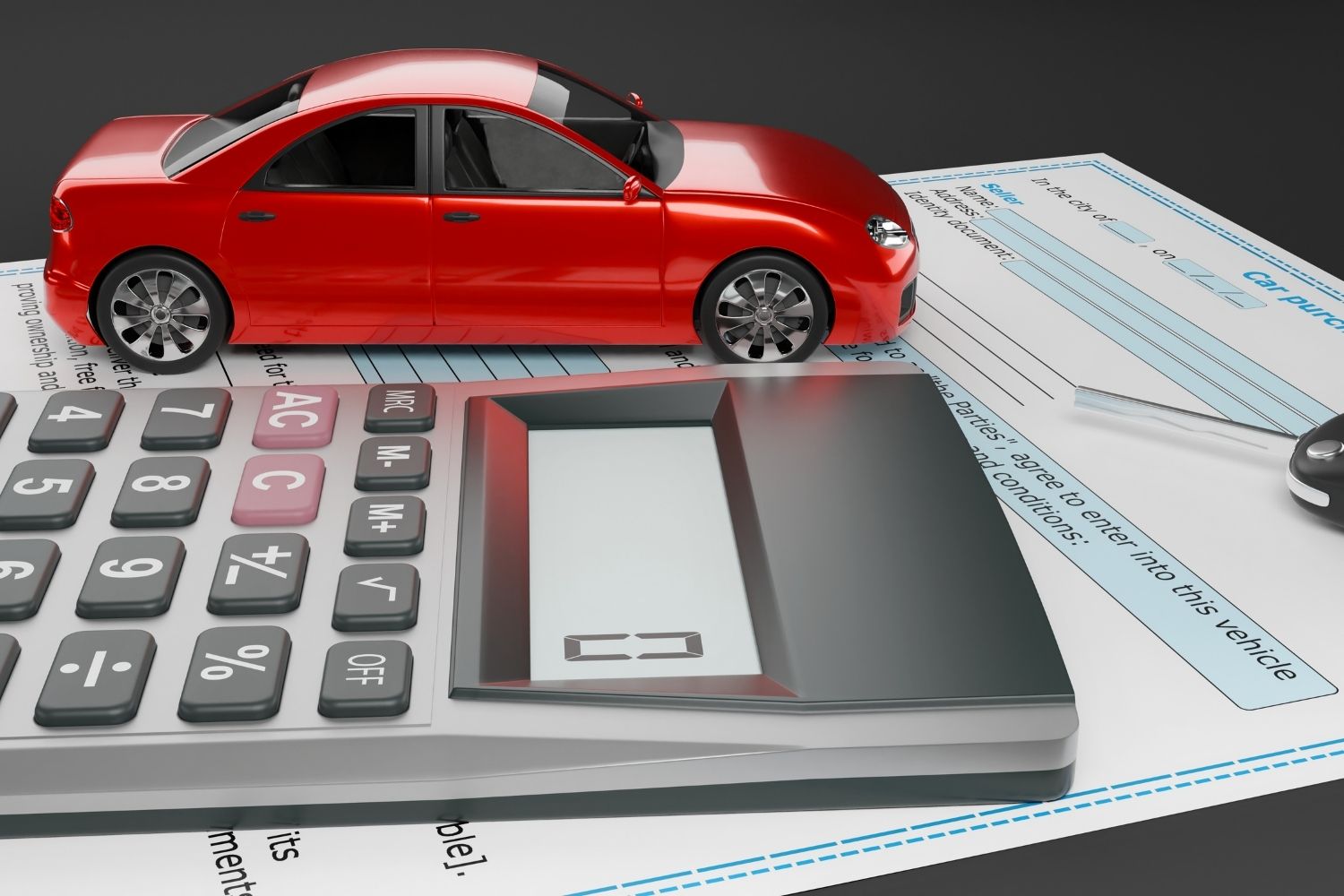
Fourteen and a half million vehicles, over 70% of the Italian car fleet, will remain without tax for an entire year. This was decided by the Council of Ministers meeting on Wednesday 16 September at Palazzo Chigi, which approved by decree-law the suspension of the car tax for 2027, a measure intended for anyone who owns a car (whether petrol, diesel or hybrid) with a power not exceeding 80 kW, just over 109 horsepower, or a motorcycle or moped.
The provision is contained in press release no. 189 of the Council of Ministers, and concerns the natural persons who own the vehicle and those who use it in leasing or rental. In case of possession of multiple eligible vehicles, the exemption will be valid only for the one with the lowest power; if you don’t have a car that meets the limits you can still use it for a motorcycle or moped. It is, therefore, a benefit per person, not per vehicle: in short, if you have a crowded garage you will still have to pay the tax on everything else.
A “much hated” tax, but not yet abolished forever
“Today the Government cancels one of the most hated taxes by Italians,” said Prime Minister Giorgia Meloni when presenting the measure. Clear, almost definitive words, even if the approved text provides for the validity of the suspension only for payments with an ordinary deadline between 1 January and 31 December 2027. Sources at Palazzo Chigi have clarified that the choice to rely on a decree-law, by definition an emergency instrument, responds to timing needs, and that the executive aims to make the measure structural with the next Budget Law. Already today, after all, not everything is taken for granted. The overall cost of the operation is estimated at approximately 2.36 billion euros, and the decree provides for a transfer to the Regions and autonomous Provinces of approximately 2.29 billion to compensate for the lost revenue, provided that an agreement is reached with each autonomy holder of the tax, a condition that is anything but formal for the Regions with special statute.
Which cars fall under the exemption
The 80 kW limit excludes the most powerful cars but includes a large part of the best-selling small cars and compact cars in Italy: from the Fiat Panda to the Dacia Sandero, from the Citroën C3 to the Volkswagen T-Cross, passing through the Lancia Ypsilon, Renault Clio and Toyota Aygo with it the right to exemption.
The context: the fuel crisis
The tax measure is part of a broader package designed to cushion the increase in petrol and diesel prices triggered by the crisis in the Middle East. The same decree refinances, but only partially and in a decreasing manner, the discount on excise duties on diesel fuel: from 17 cents per liter in force until 17 September it goes to 12.2 cents from 18 to 25 September, then to 6.1 cents until 5 October, when the price should return to ordinary levels. On the stamp duty, the majority unanimously claims the result: from the Undersecretary of Economy Sandra Savino, who defines it as “a tax that weighs on citizens every year”, to the centre-right governors, who speak of a “fulfilled commitment”. With the next Budget Law we will find out if the measure, from transitory, will become definitive, eliminating once and for all the much-hated car tax.
