

From cotechino to lentils, from panettone to smoked salmon to sparkling wine for the New Year’s toast: Otherconsumo analyzed the prices of the most consumed products during the holidays in 12 supermarket, hypermarket and discount chains in Milan and Rome.
The good news? Compared to 2024, there are no significant increases. But be careful: for the same product, prices can change a lot from one store to another. However, with a few precautions it is possible to save without sacrificing quality.
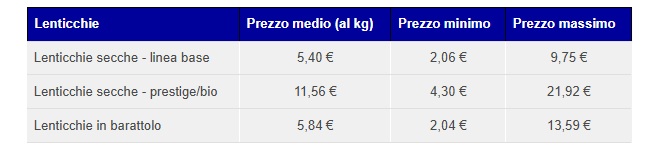
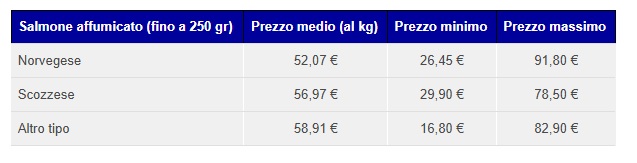
The analysis shows great variability, products that we all consider “basic” during the holidays such as dried lentils, can cost from just over 2 euros to over 20 euros per kilo. The price of smoked salmon also varies enormously, from less than 17 to almost 92 euros per kilo.
The advice of the experts is clear: always check the price per kilo and compare brands and product types.
But let’s look more specifically at what to pay attention to to save money for Christmas and New Year.
Tricks for saving
For cotechino and zampone, the already sliced versions, often in small packs of 150-200 grams, have a higher price per kilo than the whole product. It is therefore better to buy the whole piece, which can be divided into portions and frozen to avoid waste.
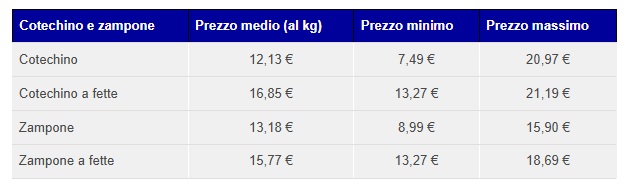
For lentils, the savings depend above all on the format and type. Basic line dried lentils are significantly cheaper than the organic or “prestige” versions, which can cost almost double. Jarred lentils offer convenience, but often have a higher actual price when considering drained weight. Checking the label and the actual price per kilo is therefore essential: in most cases, dried lentils are the most convenient choice.
With smoked salmon, the price can vary greatly depending on the origin and type (Norwegian, Scottish or other varieties). The cheapest product is not always the most convenient: it is necessary to compare the price per kilo and evaluate the offers between different brands, because the cost difference can be significant.
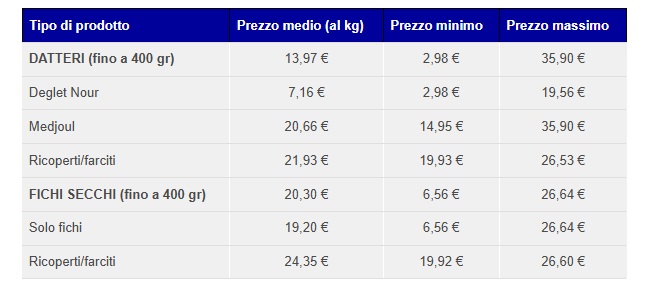
For pineapples, dates and dried figs, the rule is similar: convenience comes at a price. Pre-cut and ready-to-eat pineapple can cost up to six times more than whole pineapple, while Medjool dates or coated/stuffed versions of dates and dried figs are much higher in price than plain variants. To save money, it is best to choose whole or plain dried fruit, without added sugar or coatings, and always evaluate the price per kilo to compare products correctly.
Finally, for pandoro and panettone, the price differences between brands and supermarkets can be considerable. Promotions during the holidays are frequent, but the most obvious are not always the most convenient. The advice is to compare multiple points of sale and also consider private label products, which are often cheaper and still of high quality. Also, pay attention to the formats: some “premium” or lower weight variants may have a higher price per kilo than standard 1 kg products.
Over the last five years, the prices of typical Christmas sweets have shown constant growth, although not always uniform across brands and products. Compared to last year, the increases are limited – some references such as Motta even saw a decrease – but the medium-term trend is clear: the sweets symbolizing Christmas cost more and more.
To give some examples, the classic Bauli Panettone went from €5.75/kg in 2021 to €7.74/kg in 2025, with an increase of 35%, while the Tre Marie Milanese Panettone rose from €10.65 to €14.67/kg (+38%). Even supermarket brands show increases: Coop classic Panettone went from €5.12 to €6.09/kg, a more moderate but still evident increase.
Pandoro follows a similar trend, with some clearer differences between the various brands: Pandoro Magnifico Tre Marie has increased by 20% in five years, while Pandoro di Verona Paluani has recorded a real leap, going from 4.73 to 10.72 €/kg, more than doubling the price.
In the end, the secret to saving during the holidays is to carefully plan your purchases: choose whole products when possible, evaluate formats and actual weight, compare prices per kilo between supermarkets and different types and not be fooled by the more comfortable or “premium” versions unless strictly necessary.
Organizing the menu carefully also helps to reduce waste: prepare a detailed list, buy only what you really need and don’t throw away the leftovers, which can be frozen or transformed into new, increasingly creative and popular recipes.
