
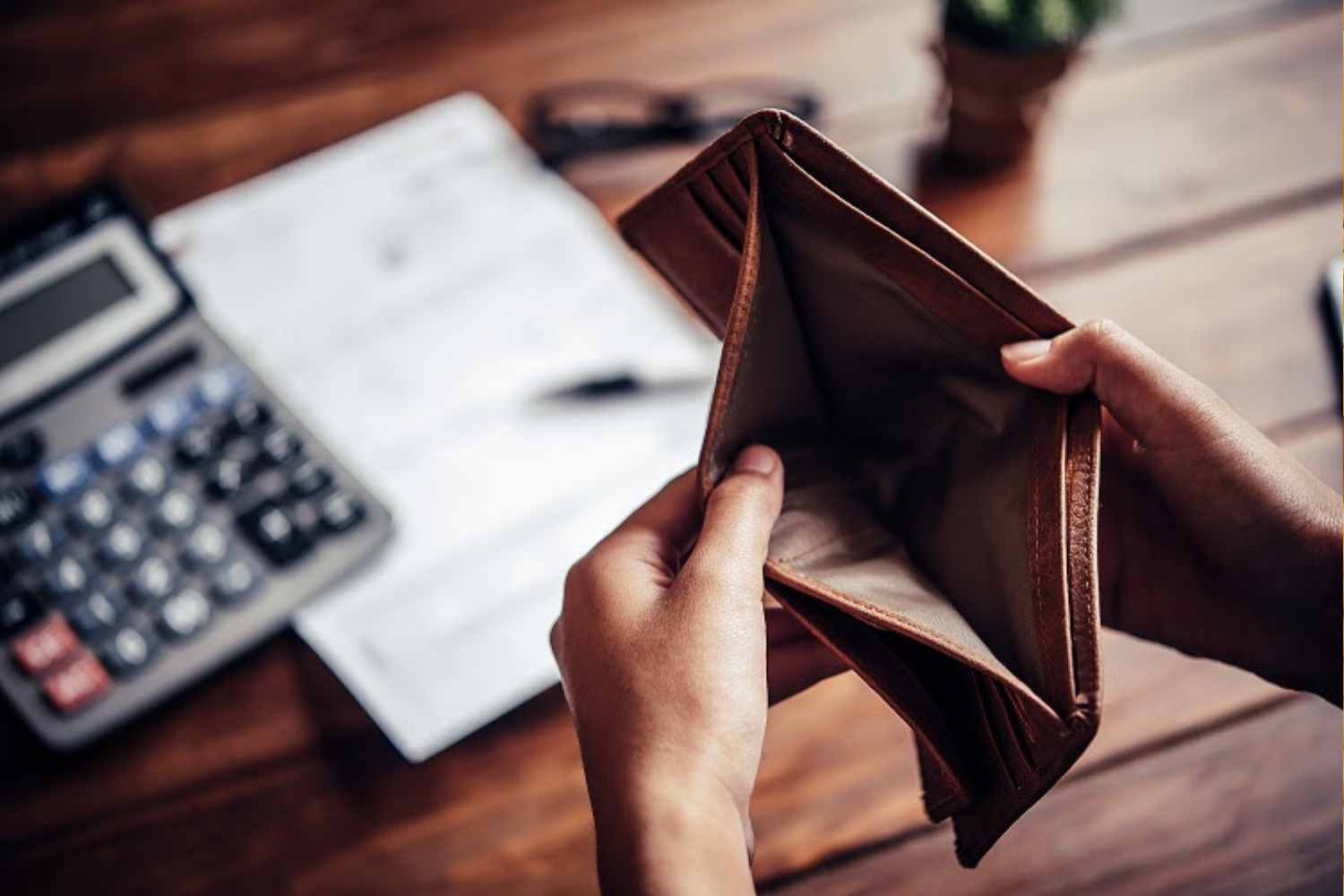
Summer 2026 opens with a plus sign in front of almost all expense items. The report created by Facile.it and Consumerismo No Profit photographs a season in which leaving costs more, but in which not even staying in the city offers protection from price increases. In the background, the conflict in Iran and the rush of raw materials, which have had an impact on energy, fuel and transport.
Bills and energy
The rise in gas has been reflected in electricity, and fixed price tariffs, while remaining relatively accessible, have grown by 4% compared to last year. The real summer drain, however, comes from the air conditioner. According to Facile.it estimates, a dual split in class A+ running on average eight hours a day for the entire season can cost up to 146 euros a year; with an A+++ model the cost drops to around 74 euros, even if incorrect use can increase consumption by up to 90%.
Fuel and highways
Bad news for motorists too. As of 8 June 2026, the price at the pump in self mode marks a +13% for petrol and a +26% for diesel compared to twelve months before. Translated into trips: a Milan-Bari return trip (around 1,760 km) costs 223 euros with a petrol car (26 euros more than last year) and 194 euros with a diesel (40 euros more). Overall, in the key months of June, July and August, Italians would spend 2.3 billion more than in 2025. Tolls are also growing, with an average increase of 1.5% on the main routes. The only good news: from 1 June 2026 you will be entitled to a toll refund in the event of delays due to construction sites.
Holidays, accommodation and travel in installments
Hotels, B&Bs, holiday homes and farmhouses remain very expensive items, especially in the central weeks of August: for an average family, a week in a holiday home or B&B fluctuates between 800 and 1,800 euros, while hotels and higher structures easily exceed 2,000-2,500 euros. Average increases range from 5% to 10%, with peaks of over 15% in the most popular destinations. The use of loans is thus growing: in the first five months of 2026, holiday financing amounting to around 170 million euros was disbursed, however, down compared to over 200 million in the same period of 2025. The average amount requested is 5,400 euros, to be repaid in 50 installments of 132 euros; the average age of applicants is 39, but one in four applications comes from someone under 35.
Air transport and ferries
Air transport is among the sectors most affected by international tensions: in the month of May alone, between 12,000 and 13,000 flights were canceled in the world, with around 2 million fewer seats, while aviation fuel rose by 84% compared to February 2026. Ferries are also rising in price, +9.7% on the previous year, with a family of four and accompanying car which on August 15th can exceed 1,300 euros for a round trip to Sardinia.
Travel insurance
Online demand for travel policies has grown by 13% compared to 2025. Prices start from 38 euros for two weeks in Europe, rising to 54 euros for a non-European destination (excluding the USA, Canada and the Caribbean) and to 61 euros for the latter destinations, with increases between 6% and 13% compared to last year.
Variable mortgages
The installments of variable rate mortgages are also affected by the international situation. For a standard mortgage (126,000 euros over 25 years, at 70% of the value of the property), between March and June the installment increased by around 11 euros. Looking at the Futures updated to 5 June 2026, the installment could reach around 626 euros by the end of the year: compared to 578 euros in January, an overall increase of almost 50 euros.
Expenses for those staying in the city
Staying at home doesn’t mean saving money. Between bills, children home from school, summer camps, outings and increased domestic consumption, Facile.it and Consumerismo estimate that a family with one or two children can sustain between 1,500 and 3,000 euros in extra costs from June to September, even without holidays planned.
Summer centers
Prices are often prohibitive. A full-time private center costs on average 190 euros per week in the North, 160 in the Center and 135 in the South, up to more than 700 euros per month per child. In public ones the average is around 100 euros per week for full time and 80 for half day, with variable amounts based on the ISEE.
Pets
Summer is also more expensive for animals: taking them on holiday can cost between 100 and 400 euros per week, with supplements of 10-20% on overnight stays in pet-friendly facilities. Those who entrust their animals to kennels or pet sitters must take into account 15-40 euros per day for a dog and 10-25 euros for a cat, up to over 300-500 euros for two weeks.
Shopping cart
Istat data from May 2026 indicates a +2.3% on the cost of the trolley on an annual basis, but the comparison over the decade is merciless: bread and pasta up to +70% and +90%, milk and eggs up to +80%, meat and fish up to +60%, extra virgin olive oil over +130%. According to Consumerismo, a basket that in 2016 cost around 11 euros now exceeds 20.
Eating out, free time and ice cream
An evening at a pizzeria for four people easily exceeds 60 euros, while a dinner at a restaurant can cost between 120 and 200 euros. Free time does not offer discounts: in May recreational and cultural services rose by 3% on an annual basis according to Istat (with increases of 15-30% over the five-year period). A day at the water park costs between 25 and 40 euros per person, a cinema ticket between 8 and 15 euros, while concerts and live shows can exceed 50-100 euros each.
As for the symbol of the Italian summer, artisanal ice cream costs between 20 and 28 euros per kg, with peaks above 30 in tourist locations; a cone varies between 3 and 4 euros, but exceeds 5 in tourist destinations. Further increases of 3-5% are expected for 2026, after the average +9% in 2025.
Supplements and well-being
Vitamins, mineral salts and sports supplements, now a stable presence in summer consumption, also enter the dossier this year. The Italian market exceeds 5 billion euros a year and around six out of ten Italians use it at least occasionally: in the summer a family can spend between 20 and 80 euros a month, over 100 euros for those who practice sport regularly.
