
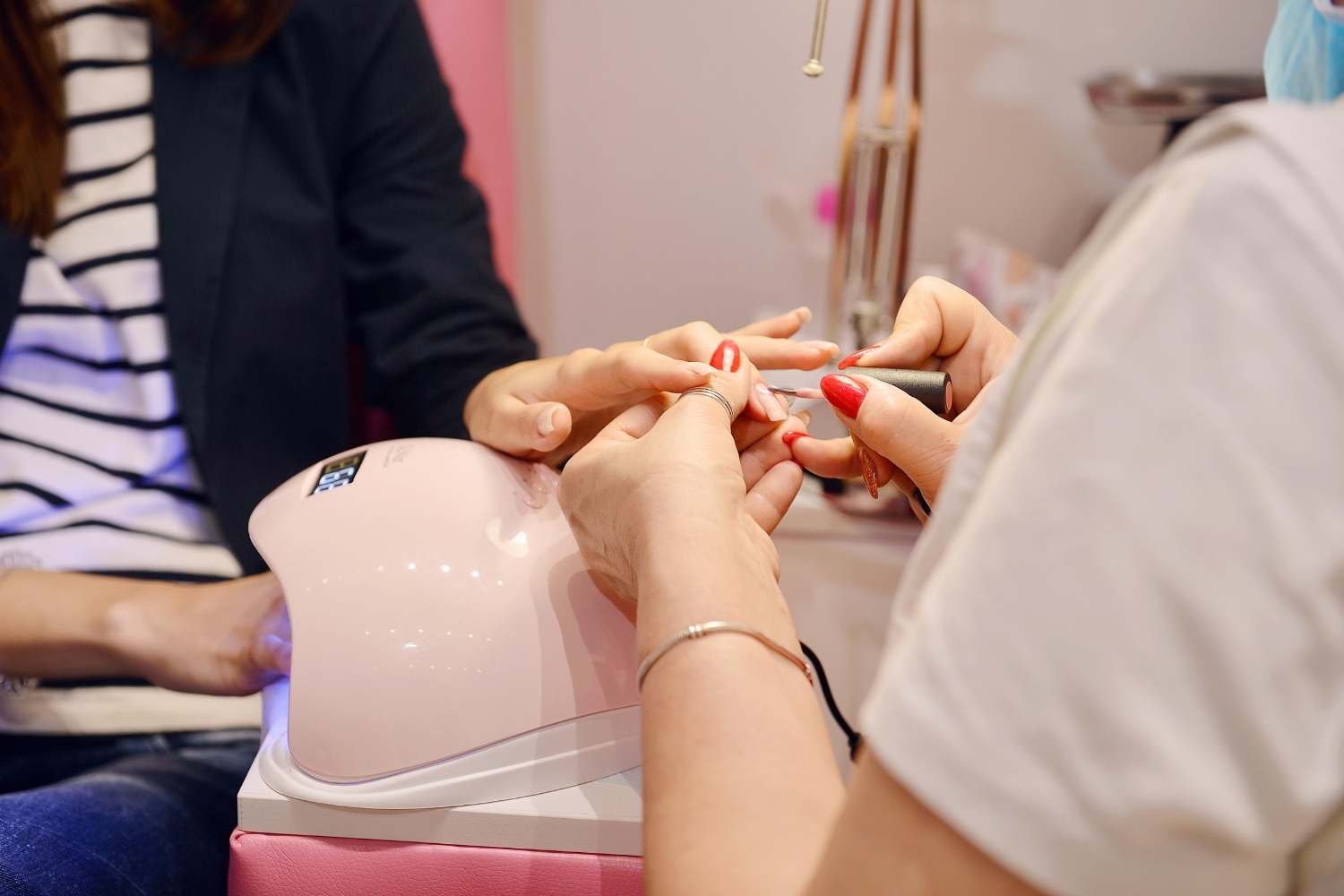
From 1 September 2025, the European Union forbids the use of two toxic chemicals, present in gel and semi -permanent nail enamels. The ban concerns both the professional products present in the salons and those for domestic use. It is therefore important to check what you have, evaluate the purchase of safer alternatives and verify that the ban is respected by your trusted professional, asking for confirmation on the origin and compliance of the products used.
But let’s see what substances it is immediately.
The two prohibited substances
The substances that can no longer be used in the formulations of nail and gel glazes are:
Both are now classified as CMR (carcinogenic, mutagen or toxic to play reproduction), specifically included in the reppr. 1b, or substances with probable negative effects on human fertility or embryonic/fetal development.
What changes from 1 September 2025
The new EU Regulation 2024/197, which updates the rules on classification and labeling of dangerous chemicals, establishes that:
In this case, therefore, it is not allowed to continue using the products while stocks last: any nail polish or gel containing TPO or Dimathyltalylaminine can no longer be used starting from September 1st.
Also check what you have at home
These substances are found not only in professional products, but also in gel kit and semi -permanent enamels sold for domestic use. Before using them, it is essential to carefully read the label and replace any products that contain the substances now prohibited.
How to dispose of old nail polishes or gel
In the absence of specific indications by the European Union, it is advisable to consider the old glazes containing prohibited substances such as chemical or special waste. These products should be delivered to an eco -center or an authorized collection center, following local standards.
Is it important not to throw them in domestic waste or dispose of them through standard separate collection, to avoid risks for the environment and health.
Don’t you want to lose our news?
Sources: European Commission / European Union
