
It’s not so much the single extreme event, so there isn’t even a single ecosystem that’s in trouble. Rather, it is better to look at the overall picture which shows, alas, growing pressure on almost all the systems that allow the Earth to remain stable and habitable.
According to the new Planetary Health Check 2026, in fact, seven of the nine planetary limits identified by the scientific community have now been exceeded. The last threshold to enter the “risk zone” is that relating to ocean acidification, crossed in 2025.
The report photographs a situation in which all seven limits already exceeded are today at the worst levels ever recorded. A signal which, according to the authors, indicates an increased risk of profound and potentially irreversible changes in the natural systems on which societies and economies depend.
What are planetary limits
The concept of Planetary Boundaries was born in 2009 by an international group of scientists led by Johan Rockström, director of the Potsdam Institute for Climate Impact Research (PIK), and the American researcher Johan Rockström.
The underlying idea is simple: the Earth possesses a series of fundamental balances that have allowed human civilization to develop. Overcoming certain limits does not mean that the planet can “collapse” immediately, but that it can increase the risk of destabilizing those natural mechanisms that regulate climate, water, biodiversity and chemical cycles.
The nine borders monitored concern:
In 2026, seven of these nine systems are beyond the limit considered safe.
@Potsdam Institute for Climate Impact Research
Seven borders already crossed
The seven limits that have exceeded the safety threshold are:
- Climate change: Increasing concentrations of greenhouse gases continue to push the climate system out of the range considered stable. Global warming is increasing the frequency and intensity of extreme events such as heat waves, droughts and intense rainfall
- Integrity of the biosphere: the loss of biodiversity and the decline of animal and plant populations are reducing the ability of ecosystems to perform essential functions, from climate regulation to the protection of natural resources
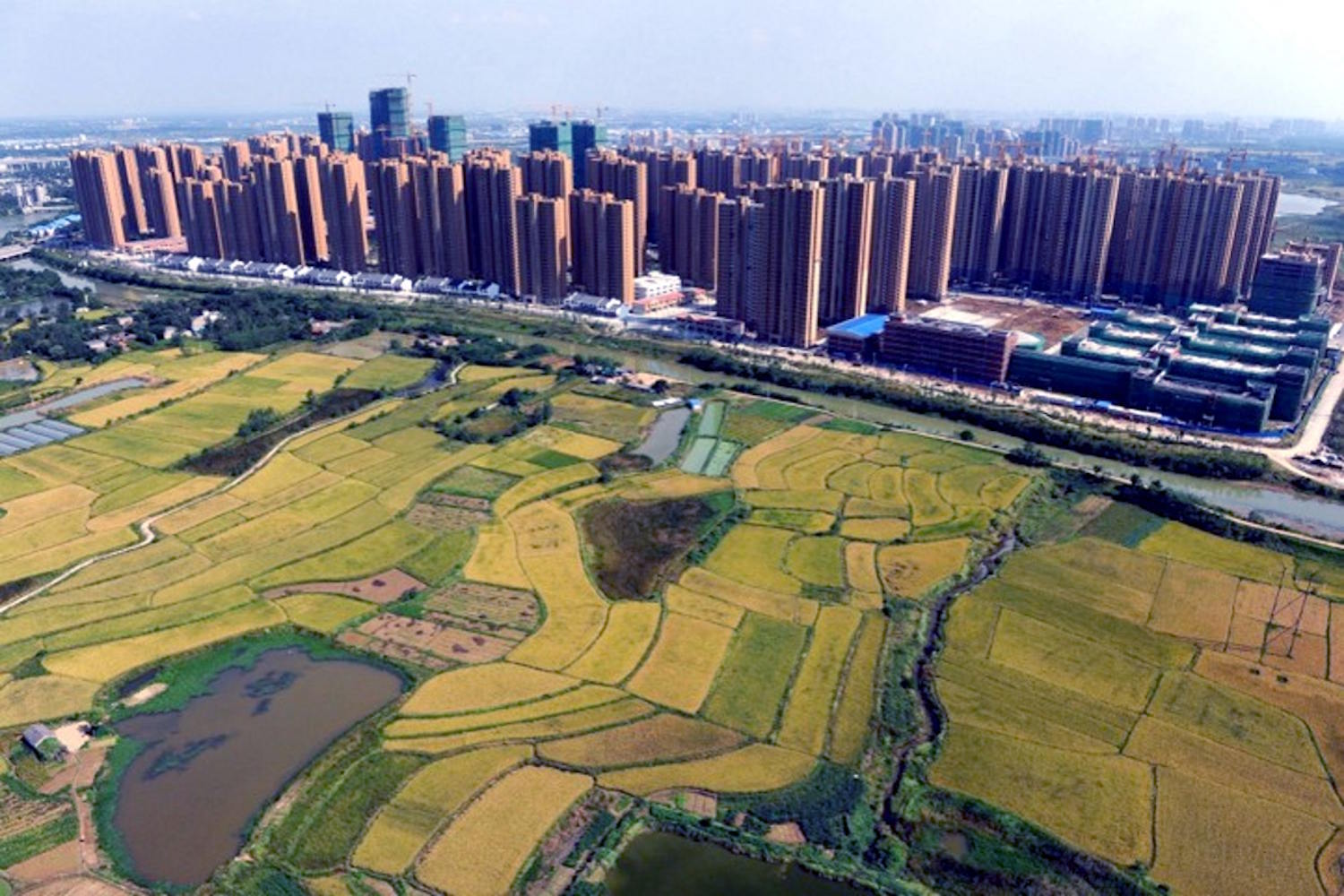
- Change in land use: the transformation of forests, wetlands and other natural environments into agricultural, urban or infrastructural areas continues to profoundly modify ecological balances
- Fresh water: the alteration of hydrological cycles, due to climate change, excessive consumption and land transformations, is increasing pressure on water resources
- Nitrogen and phosphorus cycles: the intensive use of fertilizers in agriculture has modified the natural cycle of these elements, contributing to water pollution and the loss of biodiversity
- New entities introduced by humans: include chemicals, plastics, pesticides and other materials produced by human activity that can alter ecosystems
- Ocean acidification: this is the most recently crossed boundary. The absorption of part of the CO₂ emitted by human activities has changed the chemistry of the oceans, making the waters more acidic and putting organisms such as corals, molluscs and plankton under pressure.
However, two parameters remain within the safety threshold: the reduction of the stratospheric ozone layer and, at a global level, the concentration of atmospheric aerosols. However, scientists point out that aerosol data can hide critical situations at a regional level.
The report comes after twelve months characterized by extreme phenomena in different areas of the planet.
In 2025, monsoon floods in Pakistan affected over 6.9 million people. The oceans hit a new record for heat content and Hurricane Melissa quickly intensified to Category 5 before hitting Jamaica, fueled by exceptionally warm waters.
Furthermore, between January 2023 and September 2025, thermal stress sufficient to cause coral bleaching affected approximately 84.4% of the world’s coral reefs, giving rise to the largest global bleaching event ever observed.
We talked about it here: the largest coral bleaching ever recorded affects 84% of the world’s coral reefs
In 2026, Western Europe recorded the warmest June-July period ever recorded, accompanied by droughts in France, Spain, Germany and the United Kingdom, and large fires in Europe and Canada. Record temperatures were also recorded in Japan, South Korea and some areas of the Middle East.
According to Hindou Oumarou Ibrahim, president of the Planetary Guardians, these events should not be read as separate crises:
Pakistan, the Caribbean, Europe, the coral reefs of our oceans: the planet is showing us the same imbalance everywhere.
Even the “green lungs” of the Earth are under pressure
One of the most worrying aspects highlighted by the report concerns the ability of natural ecosystems to absorb carbon: forests, vegetation and soils represent a fundamental part of the natural response to climate change: they absorb a significant share of the CO₂ produced by human activities, functioning as real carbon sinks.
But extreme heat, drought, wildfires and ecosystem degradation are putting pressure on this capacity.
In some regions, the authors of the report explain, ecosystems could transform from carbon sinks to sources of emissions, releasing more carbon than they can absorb.
Our path to net zero emissions depends on the functioning of carbon sinks – explained Boris Sakschewski, lead author of the study – but current observations indicate that the planet may lose some of its ability to compensate for the increasing pressures we place on it.
According to Johan Rockström, the priority is to accelerate the actions necessary to bring planetary systems back into safe operating space: protect ecosystems, reduce emissions, change the way we produce energy and use resources.
The photograph of the Planetary Health Check 2026 is therefore that of a planet that is showing its own signs of stress. Seven out of nine thresholds exceeded do not represent an automatic point of no return, but they undoubtedly indicate that the window for action is narrowing. The challenge, according to scientists, is not just saving individual environments or addressing individual emergencies: it is preserving those invisible systems that make life as we know it possible.
