
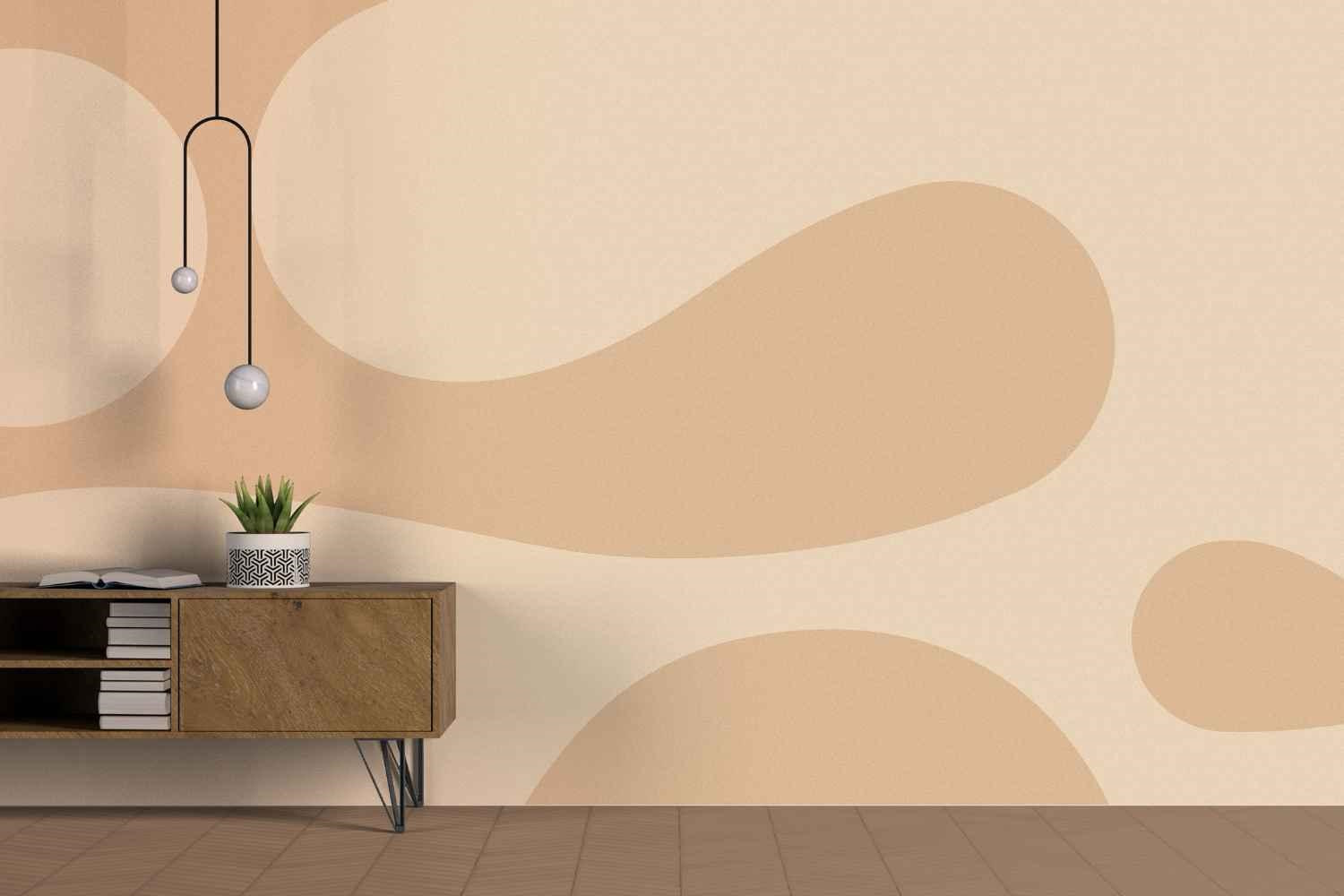
Today it is no longer just about style that we need to look at, but also health. Eco-friendly wallpapers are a good choice, especially if you live with children or sensitive individuals. Photowall wallpapers are made with low-emission glues and responsible materials. This Swedish brand pays the utmost attention to certifications and allows you to design a photomural tailored to your needs, fully respecting your health. You can customize the prints and choose the materials you prefer, all with a few clicks directly from the web. Here’s a valid help if you want a greener home without having to complicate your life too much.
Because green wallpapers improve the air in your home
Indoor air quality is a public health issue, Italians spend up to 90% of the day indoors between home, work and means of transport. Choosing low-emission wall coverings and glues helps reduce exposure to volatile organic compounds (VOCs) such as benzene and formaldehyde, which are substances for which there are guide values and monitoring strategies defined by the ISS.
Eco-friendly wallpapers rely on traceable cellulose supports, glues in aqueous dispersion and low-odor inks, thus managing to limit emissions in the first weeks after installation, when indoor concentrations tend to be higher.
Materials and glues that make the difference for emissions and resistance over time
The most common and sustainable combination is cellulose-based paper or TNT with starch/cellulose-based powder or paste glues. The Minimum Environmental Criteria for buildings include specific indoor emissions requirements for paints, floors, adhesives and internal coatings, with 28-day limits for substances such as benzene and formaldehyde.
In practice, you should give preference to low-VOC glues and coatings without added plasticizers.
Certifications and standards useful for choosing without making mistakes between wood, paper and markings
For the responsible origin of the fibre, look for the FSC or PEFC brands, which attest to sustainable forest management and traceability along the entire chain of custody up to the finished product. As regards regulations, UNI EN 15102:2019 is the product standard that regulates wall coverings in rolls.
If you cross-reference forestry certifications with regulatory compliance and declarations on indoor emissions you have a complete picture and can be on the safe side.
Recycling, paper and numbers: how it works in Italy
In 2023, in Italy the recycling rate of cellulosic packaging reached 92.3%, ahead of European targets. In 2024 the figure rose to 92.5%. This means that choosing certified and recyclable fiber products supports an already performing supply chain, capable of valorising the secondary material and reducing waste.
Therefore, in practice, you must prefer papers with a high certified fiber content, with recyclable packaging and with clear indications on the end of life.
Practical ideas for purchasing and posing more consciously and for breathing better straight away
One last operational tip: match wallpaper and paints with emissions declarations, so you avoid nullifying the benefits by choosing a glue or finish that is too heavy. If you are renovating multiple rooms, plan the installation room by room, starting from the least used ones, so it is easier to manage ventilation and drying times without stress for the family.
A healthier and truly green environment without wasting time and style
Eco-friendly wallpapers are within everyone’s reach. Focus on certified cellulose supports, low-emission water-based glues and products compliant with UNI EN 15102. Use the CAMs as a reference point to understand what to ask retailers and installers, even in private jobs.
The Italian framework, with 92% paper recycling and great attention to indoor air, says that every choice counts and that it is possible to combine personalization, quality and well-being. With a little method, your next decorated wall will not only be more beautiful, but it will also be healthier for you and your family.
