
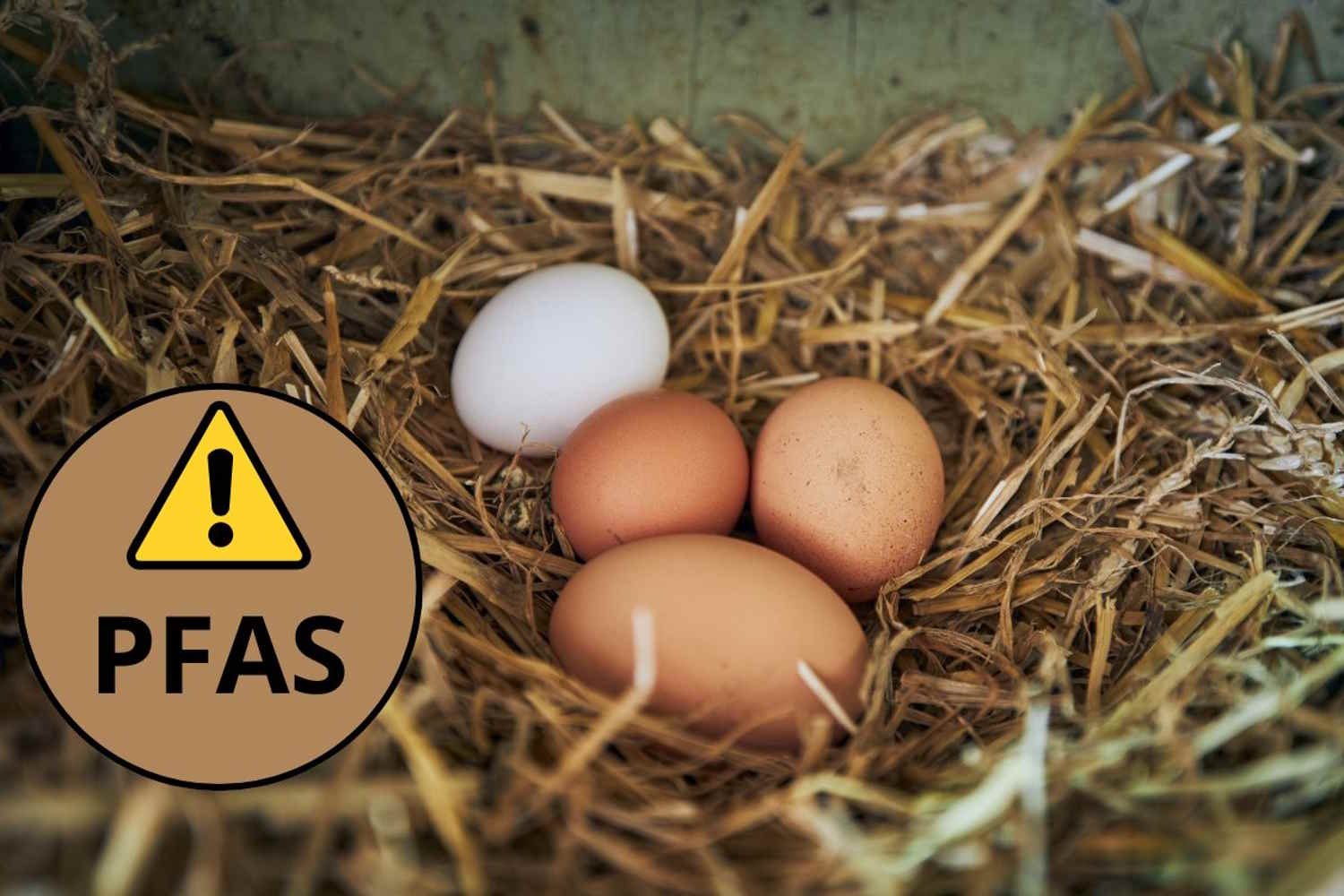
The Pfas alarm is back in the eggs. If high levels of Pfas were found in the eggs of the domestic poultry of South Oise, in high France, when the health authorities warned – last year – not to consume them, the same thing is happening in the Netherlands.
This is demonstrated by a new research conducted by the authorities in 60 different locations. The River, the National Institute for Public Health and the Dutch environment, therefore advises against eating home -produced eggs.
The eggs produced at home come from hens raised for hobbies – they write. For example, in the gardens on the back, in the gardens, in the Pascoli for animals and in the treatment farms or for children.
The River calculated the amount of PFAS that people can ingest through the eggs produced at 60 locations in the country. These values have been compared with the health safety threshold relating to the PFAS. In 31 of these locations, people already exceed this limit by consuming less than one egg per week. Other places have recorded high concentrations of PFAS. Since the intake of PFAS from these eggs can be significant and the amount of PFAS is not visible outside the egg, the RIVM recommends not consuming home -produced eggs.
The effects on the health of the PFAS
It now seems clear and scientifically evident that people consume quantity of Pfas higher than the safety threshold for a prolonged period, they can run serious health risks. Pfas can compromise the immune system, the reproduction and development of children not yet born, as well as altering blood cholesterol levels, damaging the liver and causing tumors to kidneys and testicles.
Dutch research has shown that the amount of PFAS in the eggs produced at home varies according to the location. It is not yet clear how they end up in these eggs but, according to the analyzes, a possible source could be the earthworms, which chickens could eat. The Rive is currently conducting follow-up studies to identify the sources of Pfas in home produced eggs.
Commercial eggs, sold in stores or markets, can still be consumed. These eggs are usually packaged and must always be marked with a code printed on the shell. Commercial eggs are subject to the supervision of the food safety authority and consumer products of the Netherlands (NVWA).
