
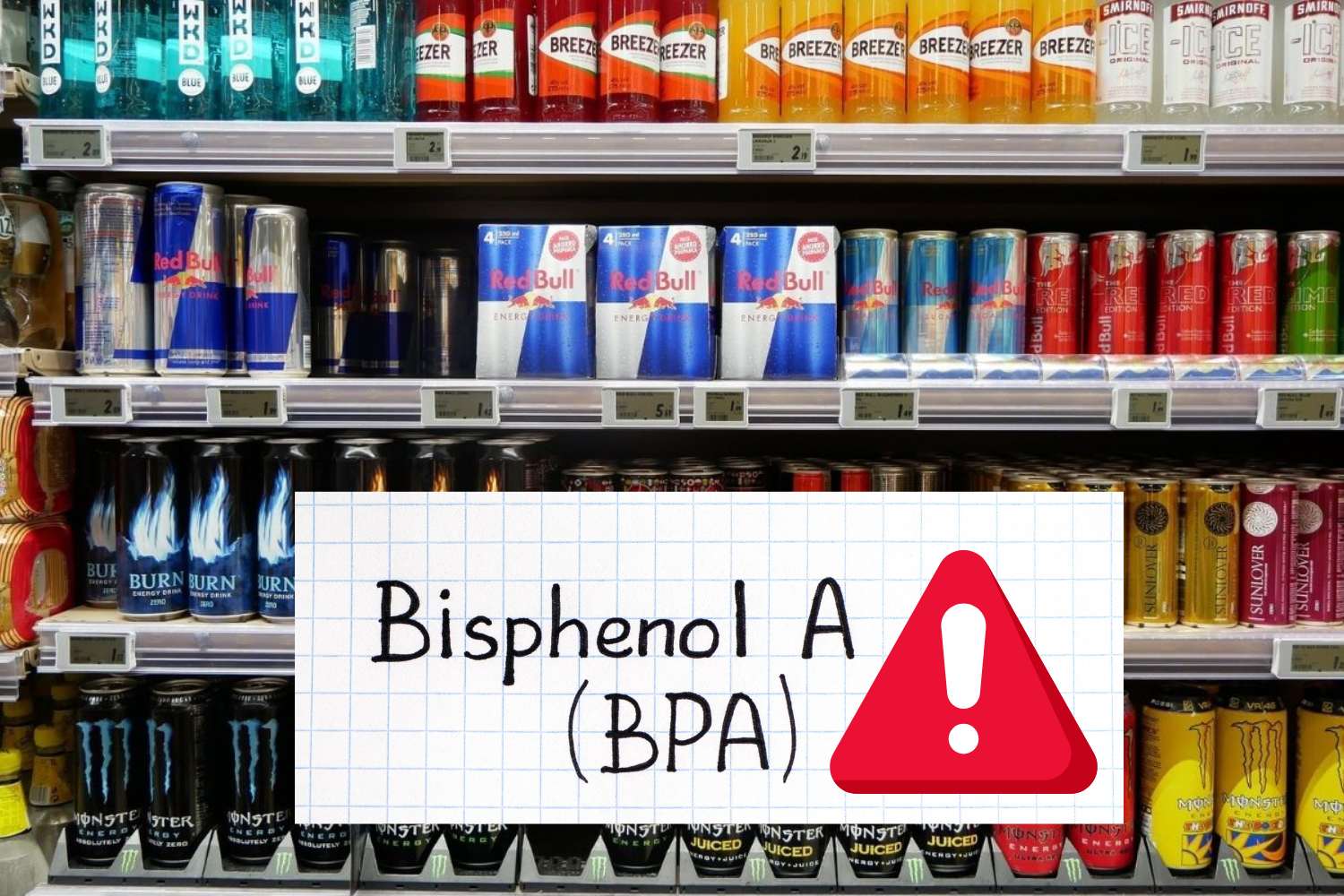
A new test conducted by the Swiss magazine K-Tipp confirms what has already emerged from previous analyses: energy drinks hide an excessive load of sugars and contain worrying levels of bisphenol A, a chemical substance potentially harmful to health.
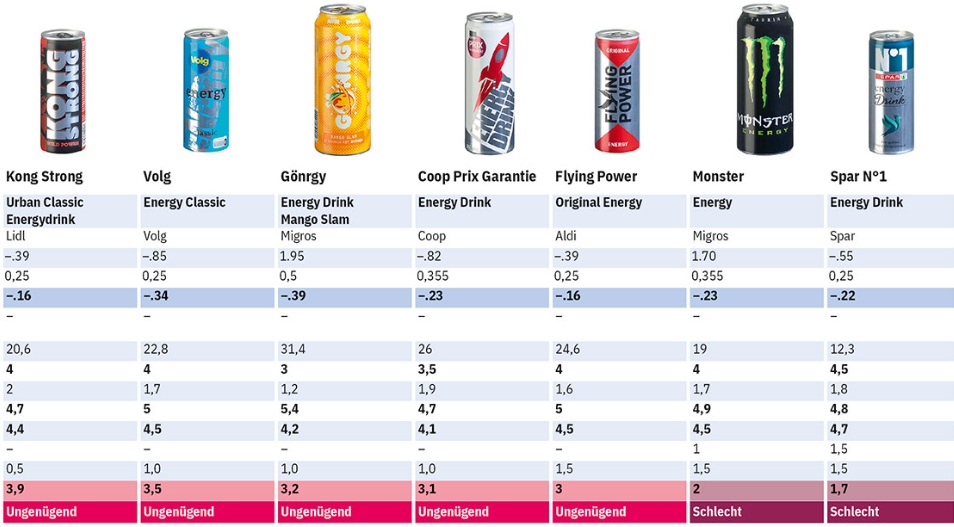
The investigation analyzed 12 energy drinks available on the Swiss market, some of which are also present in Italy. The results? Alarming! Consider that a single half-liter can of “Mango Slam” from the Gönrgy brand contains over 60 grams of sugar, the equivalent of approximately twelve sugar cubes. A quantity that alone exceeds the maximum daily limit recommended by the World Health Organization for adults, set at 50 grams.
The problem is not just the amount of sugar, but also how it is absorbed: in sugary drinks the sugar is liquid and concentrated, so it quickly enters the blood, causing glucose spikes. This puts pressure on the pancreas and, if repeated over time, increases the risk of diabetes, overweight and other metabolic diseases. In contrast, sugar naturally present in solid foods, such as fruit or whole grains, is absorbed more slowly thanks to fiber, avoiding these dangerous peaks.
Of the products analyzed, Spar energy drink showed the lowest sugar content at 12.3 grams per 2.5 deciliters, but makes up for it with the addition of artificial sweeteners such as acesulfame K and sucralose. However, the use of these chemical sweeteners is controversial, scientific studies have in fact shown that the simultaneous consumption of sweeteners and sugar can lead to a greater overall caloric intake, while sucralose can damage the beneficial intestinal bacterial flora and promote inflammatory processes.
Bisphenol A beyond the limits
A further negative aspect that should not be underestimated comes from the analysis of bisphenol A (BPA), a chemical substance used in the internal linings of aluminum cans to protect them from corrosion. The laboratory detected elevated levels of this endocrine disruptor in eight of the twelve drinks tested.
The European Food Safety Authority has set a very stringent daily limit of just 0.2 nanograms per kilogram of body weight in 2023, after recognizing that even small amounts can damage the immune system and promote autoimmune diseases.
For a 60 kilogram person, the maximum daily dose is therefore 12 nanograms. Well, those who drink the Spar energy drink in the header take in 48 nanograms, four times the permitted limit. Aldi’s Monster and Flying Power drinks also exceed the recommended daily dose by one and a half times.
The test also analyzed the acidity content of the drinks, finding that it is between 1 and 2 grams per can. This level of acidity can weaken tooth enamel, and combined with the high sugar content, greatly increases the risk of cavities and other dental problems.
Overall, the five drinks that achieved the best results, which are limited to a pass, were those of the Denner, Vyte, Red Bull, M-Budget by Migros and Ok brands.
Among the worst we find Monster.
Manufacturers’ replicas
Faced with these results, some producers have declared a K-Tipp that we are working to replace bisphenol-containing coatings with alternatives based on polyester and other plastics. Aldi, Coop, Lidl and Spar have confirmed the transition to BPA-free cans, although the process will still take some time.
A previous test had reached similar conclusions
These results confirm what already emerged from a previous German test we talked about, conducted by the magazine Oeko-Test. Even in that case, worrying levels of bisphenol A were detected in 20 out of 22 cans tested, with 18 drinks rejected for excessive sugar, caffeine and additive content.
How to protect yourself? Experts recommend preferring coffee or black tea. A cup of coffee contains 80 to 150 milligrams of caffeine, an amount comparable to that of an energy drink, but it also offers beneficial substances such as chlorogenic acid, antioxidants and polyphenols, which reduce the risk of cardiovascular disease.
Energy drinks are especially not recommended for children and adolescents. According to the German Federal Institute for Risk Assessment, their consumption by minors can cause heart palpitations, shortness of breath, anxiety and nervousness. Yet another confirmation that what promises immediate energy actually hides concrete health risks, especially for younger people.
