
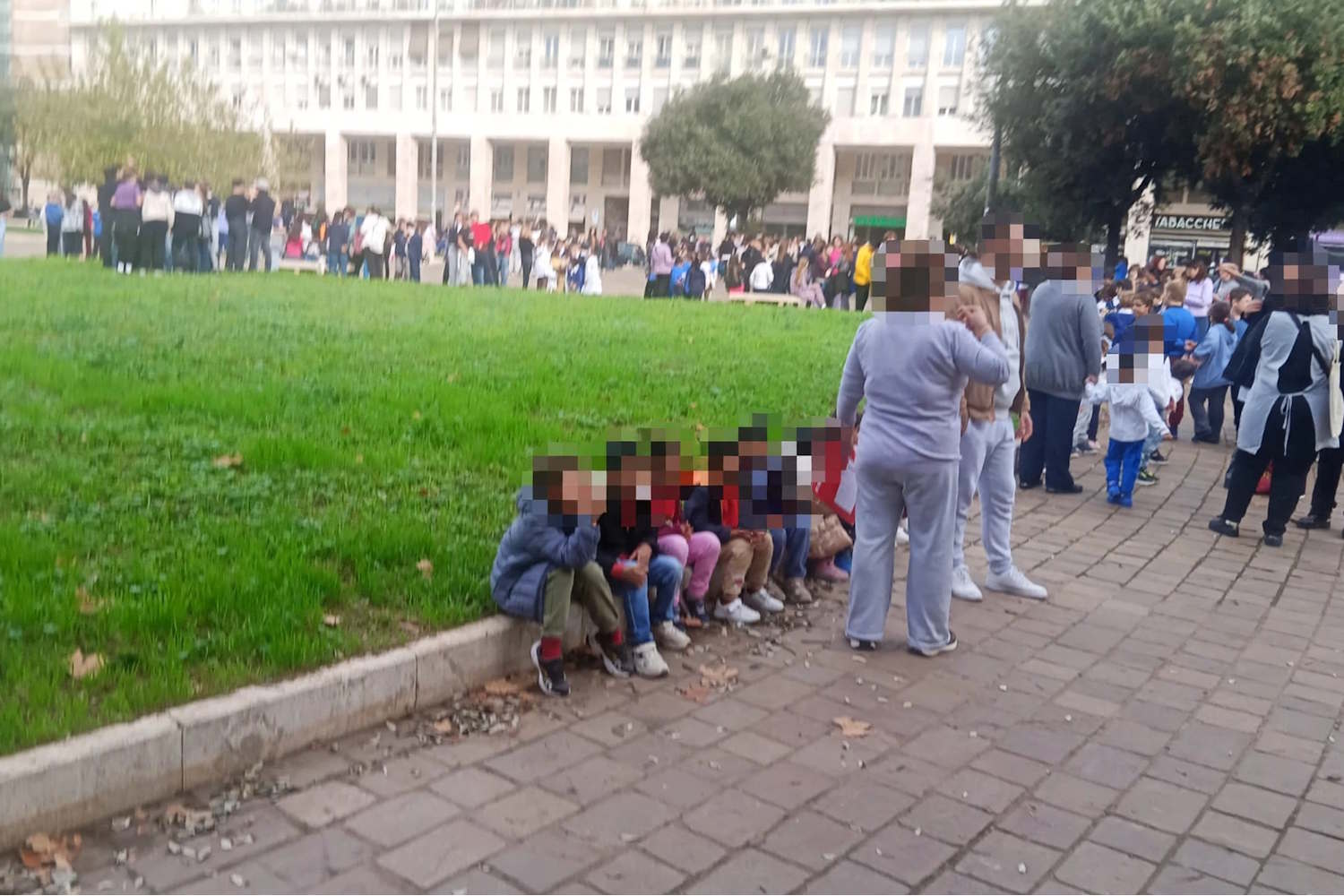
Children taken out of classrooms, lessons interrupted, teachers and parents alarmed. Once again, a few emails were enough to send the school mornings of dozens of Italian schools into a tailspin.
It happened today, Wednesday 11 November, in Rome and in many other cities, from North to South, where a new wave of bomb threats triggered security procedures and the precautionary evacuation of students.
The Prefecture of Rome has confirmed a cyber attack that would have involved around twenty schools in the capital. But the matter has much larger dimensions and it is estimated that over 100 institutions are affected throughout Italy.
What do we know so far?
The threats arrived via email, with messages announcing the presence of explosive devices in school buildings.
In fact, what is especially disturbing is the content of the emails, signed by a self-styled “Mikhail Andropov, leader of the Vilayat of Misoginistan“, the same name already appeared in the claims of the recent bomb scares on airplanes. As Reuters had observed, the surname recalls that of Yuri Andropov, former general secretary of the Soviet Communist Party.
The message contains explicit and particularly violent threats:
“We have come to destroy you. We will carry out a genocide against the ItaliansThe sender also claims to have placed an explosive device in the school building, threatening to detonate it remotely, and refers to an alleged attack against the Prime Minister.
Among the Roman institutions reported are the comprehensive Largo San Pio V, the Seneca high school and the Ranocchio Scarabocchio nursery school. In the Tuscolano district, Giovanni Cagliero, Petrarca and Rodari are also involved, where precautionary evacuations have been ordered.
Even in our editorial office the alarm reached families directly: some GreenMe colleagues in Rome were called to school to go and collect their children.
It’s not the first time: the previous one on November 2nd
Just nine days ago, 271 Italian schools were reached by similar messages, with threats of explosions and consequent evacuations. The alarms turned out to be unfounded.
Meanwhile, similar incidents also involved several European flights, forcing the authorities to carry out checks, change routes and activate emergency procedures. Investigators are evaluating possible links, but they have not yet been established.
At the moment there is no confirmation of the discovery of devices in the institutions involved today, but the checks must still be considered ongoing, based on the information available.
