
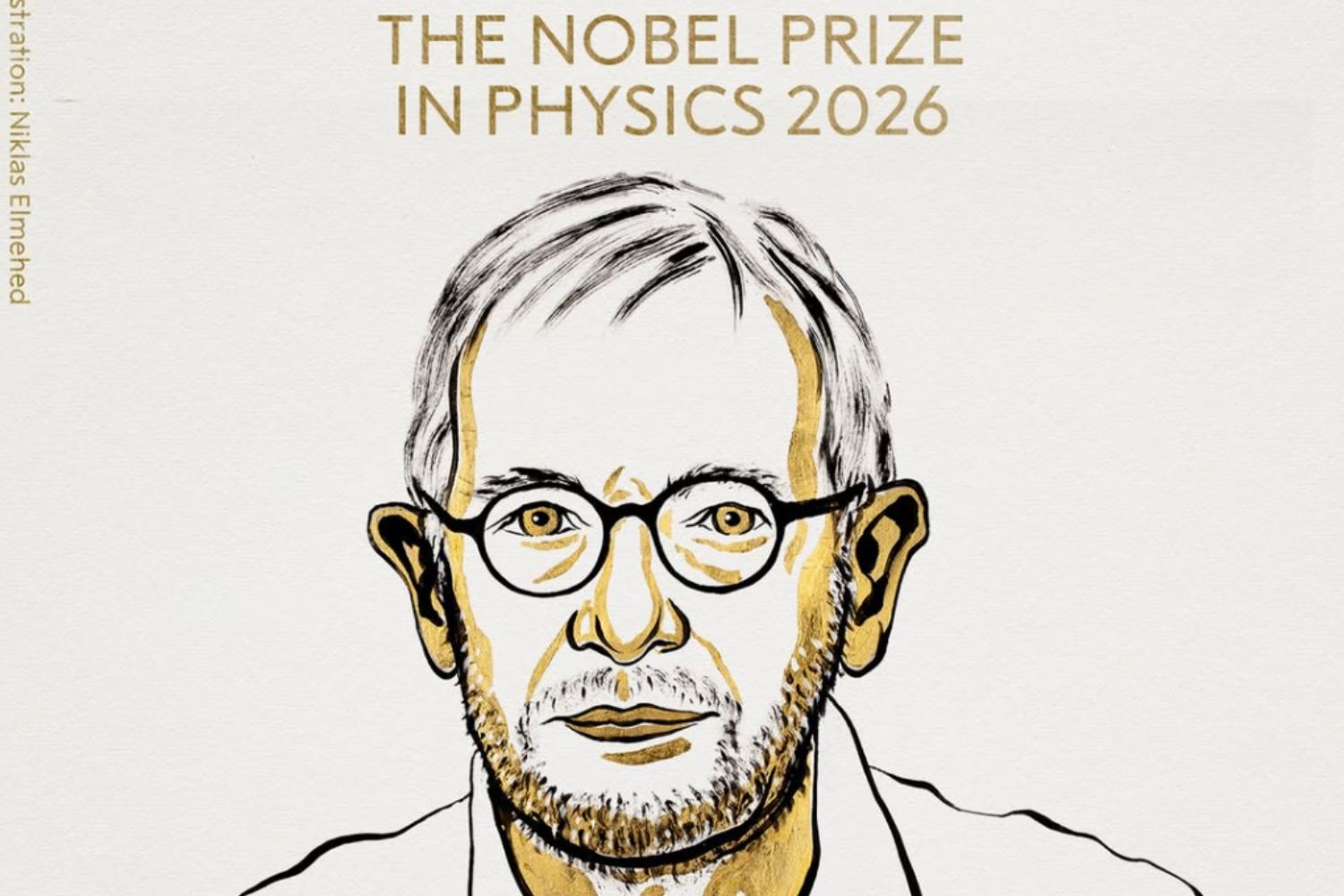
The Nobel Prize for Physics 2026 was assigned to Francis Halzen “for decisive contributions to the IceCube Neutrino Observatory and the discovery of high-energy neutrinos of astrophysical origin“. The announcement, issued from Stockholm by the Royal Swedish Academy of Sciences, crowns a scientific journey that began in the 1980s, when the Belgian physicist sensed the possibility ofexploit the immense expanse of glacial ice at the South Pole to bring to life a completely new type of astronomy. From this pioneering vision was born theIceCube Neutrini Observatorya unique structure in the world that contains a cubic kilometer of pure ice dotted with highly sophisticated light sensors, capable of spying on the most remote and violent corners of the cosmos.
View this post on Instagram
The invisible nature of neutrinos and the secrets of extreme phenomena
Neutrinos are particles that are everywhere present but extraordinarily elusive, capable of crossing entire planets and our own bodies unscathed without leaving any perceptible trace in everyday life. Only on rare occasions does a single neutrino interact with an atomic nucleus, a microscopic event that the advanced technology installed by Francis Halzen he finally manages to capture. The precious interactions recorded continuously by the IceCube Neutrino Observatory they open an unprecedented window on the most cataclysmic and energetic phenomena of the distant universepromising to reveal to researchers cosmic mechanisms that have so far remained completely shrouded in mystery.
