
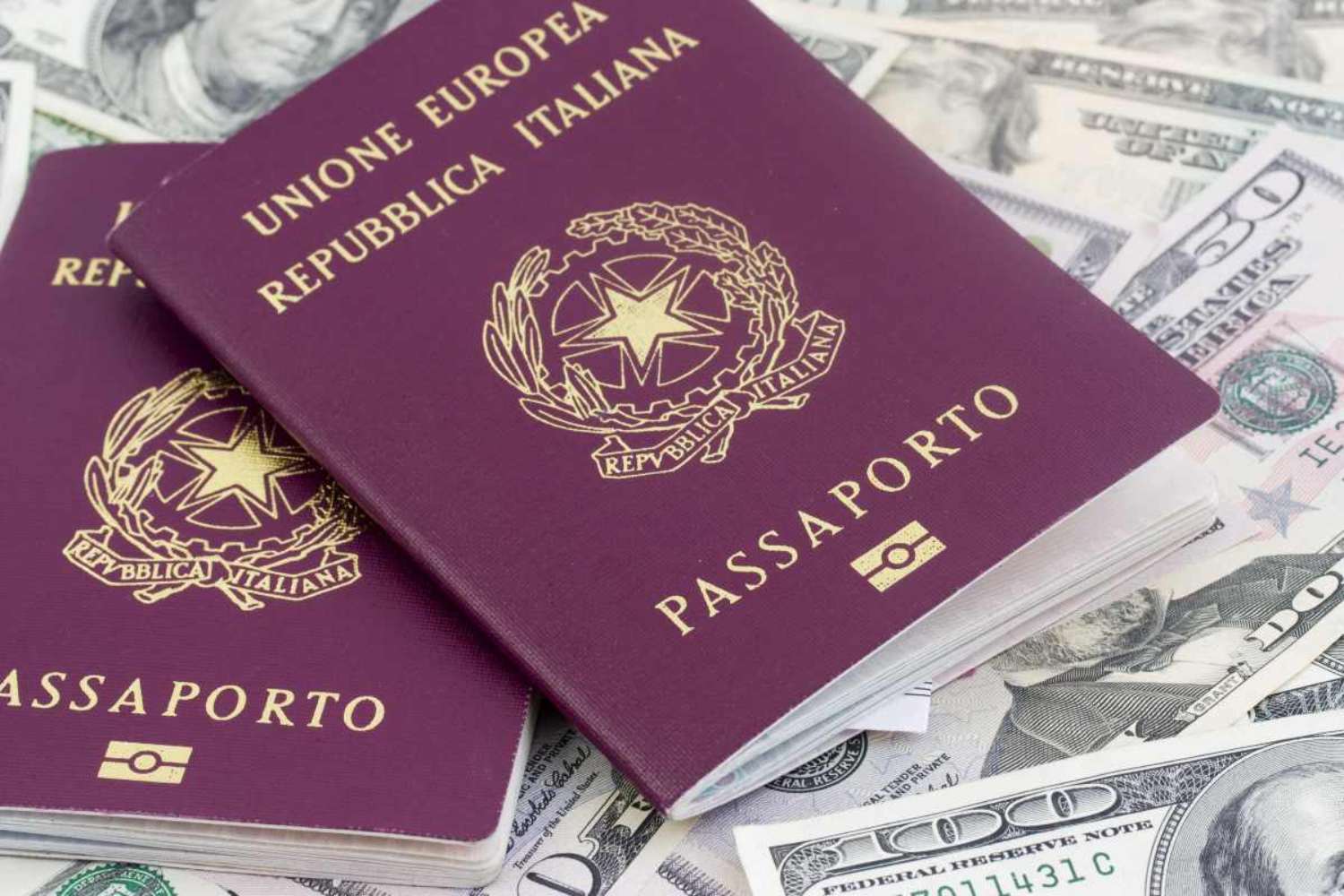
Since yesterday, 12 October 2025, the way of entering and exiting European countries has officially changed. Non-EU travelers will no longer receive the traditional stamp in their passport, but will have to provide fingerprints and a photograph. The new digital entry/exit system (EES), promoted by the European Union, aims to replace manual procedures with an automated database capable of recording every movement at the borders.
In Italy the first tests will start at the airports of Rome Fiumicino, Milan Linate and Malpensa, where the border police have already installed the necessary biometric devices. In the following months, the experimentation will also be extended to the ports of Civitavecchia and Genoa, to cover the entire national territory by April 2026.
How the new EES system works
The EES (Entry/Exit System) will collect all information on travelers from third countries, including British people, in a digital archive. For those arriving in Europe for the first time, the control will consist of the fingerprint scanner, face camera and registration of travel document data.
At each new entry, the authorities will simply check the fingerprints and photo already stored, making future checks much quicker. The data, managed by the eu-LISA IT center based in Tallinn, will be stored for 36 months and shared among the 29 participating countries, including those in the Schengen area and four non-EU countries such as Iceland, Liechtenstein, Norway and Switzerland.
More security, less bureaucracy but some doubts about privacy
The main objective of the new system is to strengthen border security, reduce the risks of irregular immigration and precisely monitor short-term stays, up to 90 days out of every 180. At the same time, digitalisation promises to simplify procedures and speed up flows, especially for those with a biometric passport, which will allow automatic passage to self-service gates.
However, the issue of privacy remains: although the EU ensures that biometric data will be processed in compliance with fundamental rights, many travelers raise doubts about the security of personal information. A technological revolution, therefore, which promises to save us time, but not to reduce discussions to border controls.
You might also be interested in:
