
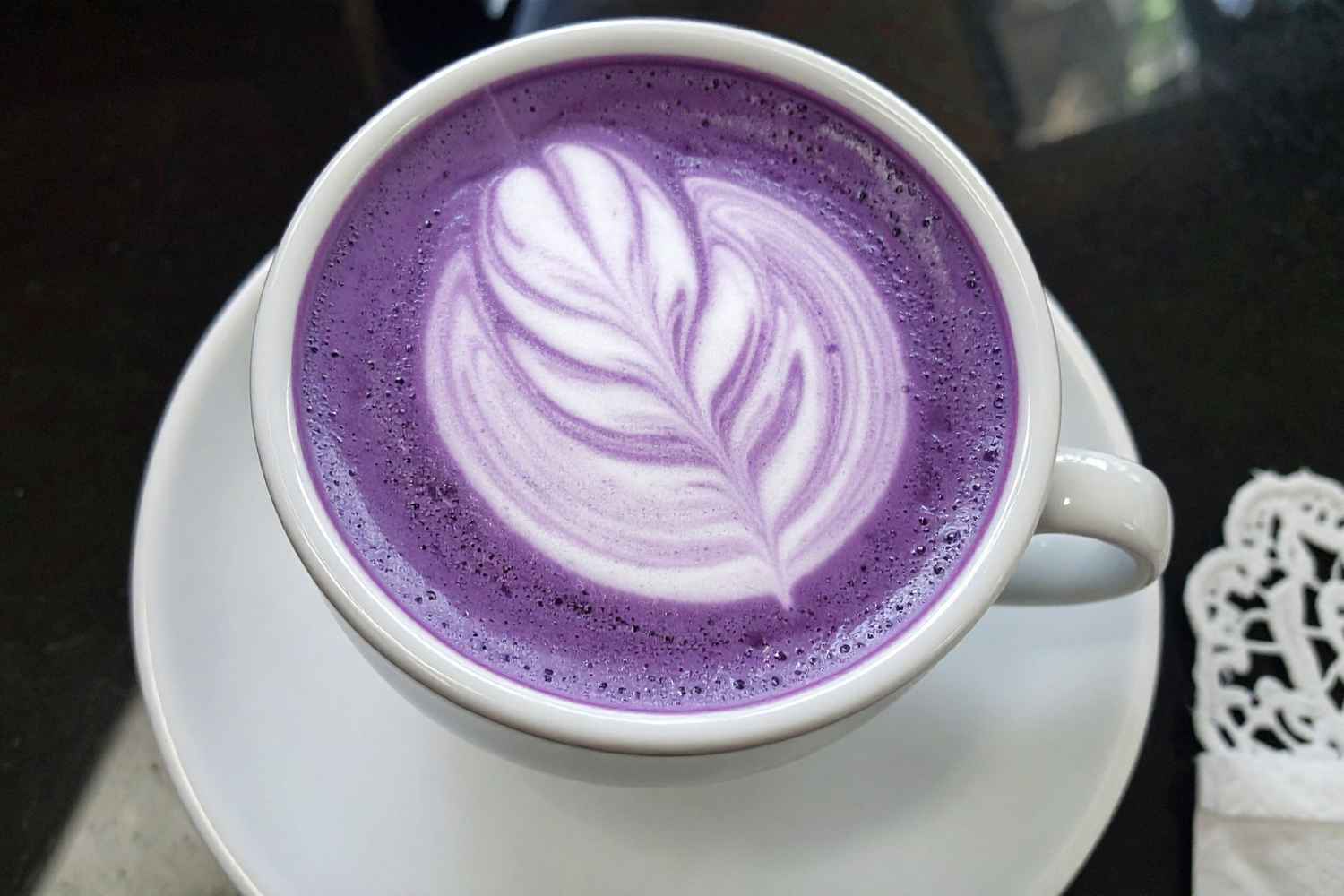
A purple liquid has been circulating on Instagram and TikTok feeds for some time, which arouses curiosity even before being tasted, and which is called ube latte: a drink based on milk and ube powder, the purple yam typical of the Philippines, which is carving out a space for itself alongside matcha latte and chai latte in the category of colorful alternatives to traditional lattes. It does not contain caffeine, has a naturally sweet taste reminiscent of vanilla and hazelnut, and for this reason it is often described as a dessert that is drunk rather than as an energizing drink.
https://www.instagram.com/reels/DWtHzunjA3V/
Where did ube come from, before it even became a trend
Ube is the Filipino name for Dioscorea alata, a starchy tuber that has been cultivated for centuries in South-East Asia, where it is by no means a novelty but a historic ingredient of local pastry making: it colors the most popular ice cream in the country, gives body to ube halaya, a thick jam obtained by cooking the tuber with coconut milk and sugar, and enters the dough of pandesal, the sweet rolls found in every Philippine bakery. The leap to the West came through the Filipino diaspora in Los Angeles, where between 2018 and 2020 some community-run venues began offering drinks based on this tuber, first attracting the attention of specialty coffee enthusiasts and then, thanks to the highly photographable aesthetic, that of a much wider audience.
Ube, taro and purple sweet potato: why they get confused so often
Most of the purple drinks found in bubble tea clubs have nothing to do with authentic ube, since they are prepared with taro, a root with a greyish pulp streaked with purple to which coloring is added to simulate the more intense hue of ube; the flavor, however, betrays them, because taro is more neutral and earthy while ube is sweet and aromatic. Even the purple sweet potato is sometimes mistaken for ube, even though it is a botanically different plant and has a less marked flavor profile: to be sure you are drinking real ube milk, it is therefore advisable to check that the label indicates Dioscorea alata or ube powder, and not simple flavorings or colorings.
The nutritional properties of ube
Ube owes its intense color to anthocyanins, the same antioxidant pigments found in blueberries and red cabbage, and which according to ongoing research contribute to counteracting cellular oxidative stress; these are accompanied by vitamin C, useful for the immune system and collagen synthesis, potassium, important for muscular and cardiovascular function, and a good amount of fibers which nourish the intestinal microbiota. However, it is still a starchy tuber, therefore rich in complex carbohydrates, so those who live with diabetes or insulin resistance should evaluate portions and combinations together with a doctor or a nutritionist, while those who drink it in the cafeteria version, enriched with syrups, cream or condensed milk, should remember that at that point the drink is closer to a dessert than a functional snack.
Where to buy it?
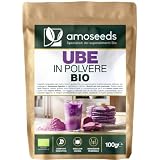
Ube powder ORGANIC 100g | Philippines | Without added sugars or colourants
Offer
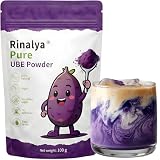
RINALYA® Ube Powder 100 g – 100% Premium Purple Yam – Origin Philippines (Urdaneta Region) – 100% Natural & Vegan – French Brand
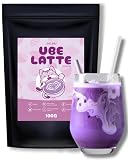
Detox Organica Ube Latte – Purple Sweet Potato Powder 100 g
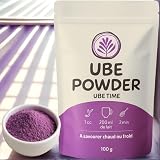
Premium Ube Powder ● 100 Grams of 100% Pure Ube Powder ● Philippine Origin ● Without Additives or Colorants ● Vegan, Gluten Free and Without Added Sugar ● Ube Milk, Bowls and Pastries
How to prepare it at home, a bit like you do with matcha
The logic is the same as that of matcha latte: dissolve a teaspoon of ube powder in a little hot water, stirring vigorously until you obtain a smooth, lump-free paste, then pour over the heated and frothed milk, whether cow’s or vegetable, with the oats which give a particularly appreciated creaminess. It can be sweetened to taste with honey, maple or agave syrup, since ube already has a contained sweetness, and on hot days just pour the base over ice to obtain an iced ube latte with a very spectacular layered effect.
The variations that are now found in the most curious bars
Those who love coffee can add one or two shots of espresso to the basic recipe, obtaining what is called dirty ube latte, where the bitterness of the coffee surprisingly balances the sweetness of the tuber; then there are those who combine ube with another colored powder, matcha, composing a two-layer glass that combines the herbaceous note of green tea with the vanilla note of yam, and those who prefer to enrich the drink with pistachio, coconut or a puree of berries, each capable of slightly shifting its color and flavor without covering its underlying identity.
When to drink it, and why you don’t need to follow a timetable
Being caffeine-free, ube latte does not impose the typical constraints of coffee or matcha and can therefore be drunk at any time of the day: in the morning as a lighter alternative to cappuccino, in the afternoon as a sweet snack that does not interfere with sleep, or in the evening, hot and perhaps prepared with coconut milk, as a little cuddle before sleeping. However, it remains a drink to be included with balance in the daily diet, because its value depends a lot on the quality of the powder used and the quantity of added sugars, rather than on an alleged thaumaturgical capacity which, as with almost every superfood that has gone viral, must always be taken with a certain skepticism.
