

Surviving the summer heat in an ecological, economical and healthy way is possible. Don’t you believe it? Indoor plants, with their numerous benefits, can also help us in this area.
With the arrival of the summer, it is inevitable to think about the scorching heat and sultriness which become more and more oppressive every year. Many people turn to fans and air conditioners for relief, but these devices can be harmful to your health, increase air pollution and increase energy bills.
Here then are some plants, endowed with “anti-mug” properties, coming to our aid, helping us to reduce the heat and humidity inside our homes.
How plants fight the heat
There is no magic or mystery: plants absorb heat through their leaves. When leaves exposed to the sun capture light through photosynthesis, they prevent the sun’s rays from reaching the ground directly. During transpiration, plants absorb carbon dioxide from the atmosphere and release water through the pores of their leaves, in a process called evapotranspiration. This process cools both the plant and the surrounding air, similar to how sweat cools the human body. A tree can transpire up to ten liters of water on a hot day.
The “forest effect” in our homes
This is the so-called “forest effect”: upon entering a forest after being in a hot and muggy environment, the perceived temperature is cooler even though the external temperature remains unchanged. Plants block the sun’s rays and, through their “sweating”, cool the surrounding air. Reproducing this effect at home can help maintain a cooler, more pleasant environment during the summer.
Indoor plants to beat the heat
We have selected some of the best indoor plants to combat the summer heat, an economical, green and easily accessible solution.
Here is our list:
Aloe vera
@Елена Труфанова/123rf.com
Aloe vera releases water vapor through perspiration, increasing humidity in the air and refreshing the environment. Furthermore, the gel contained in its leaves has soothing and refreshing properties that can be used on the skin to relieve sunburn and skin irritation, which are common during the summer.
This plant prefers direct or indirect light and well-drained soil. Water regularly, allowing the soil to dry completely between waterings. Does not tolerate water stagnation.
Spathiphyllum
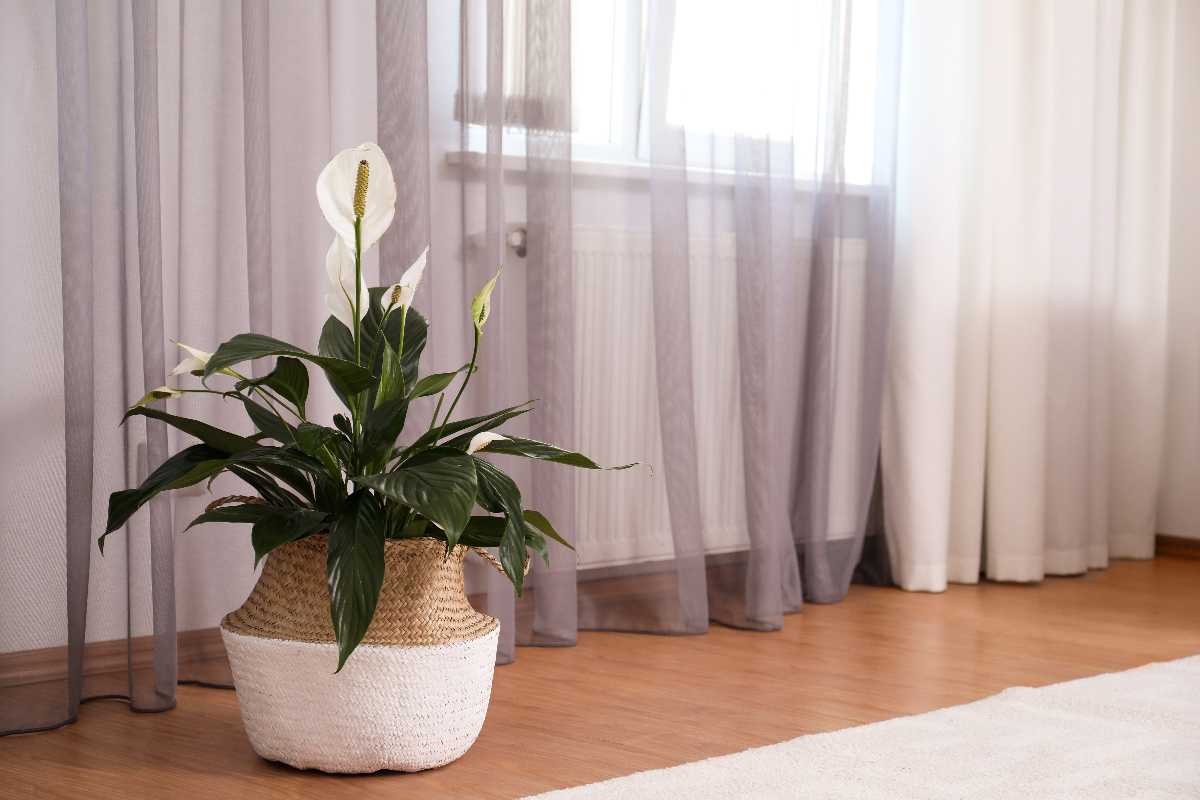
The Spatiphyllum or Peace Lily purifies the air by eliminating pollutants such as formaldehyde and benzene, increasing humidity and releasing water vapor through perspiration. This aspect creates a cooler and more humid microclimate, alleviating the feeling of stuffiness typical of hot days.
This plant prefers indirect light and likes moist but well-drained soil. Water regularly, avoiding water stagnation. Fertilize every 2-3 months during spring and summer.
Calathea
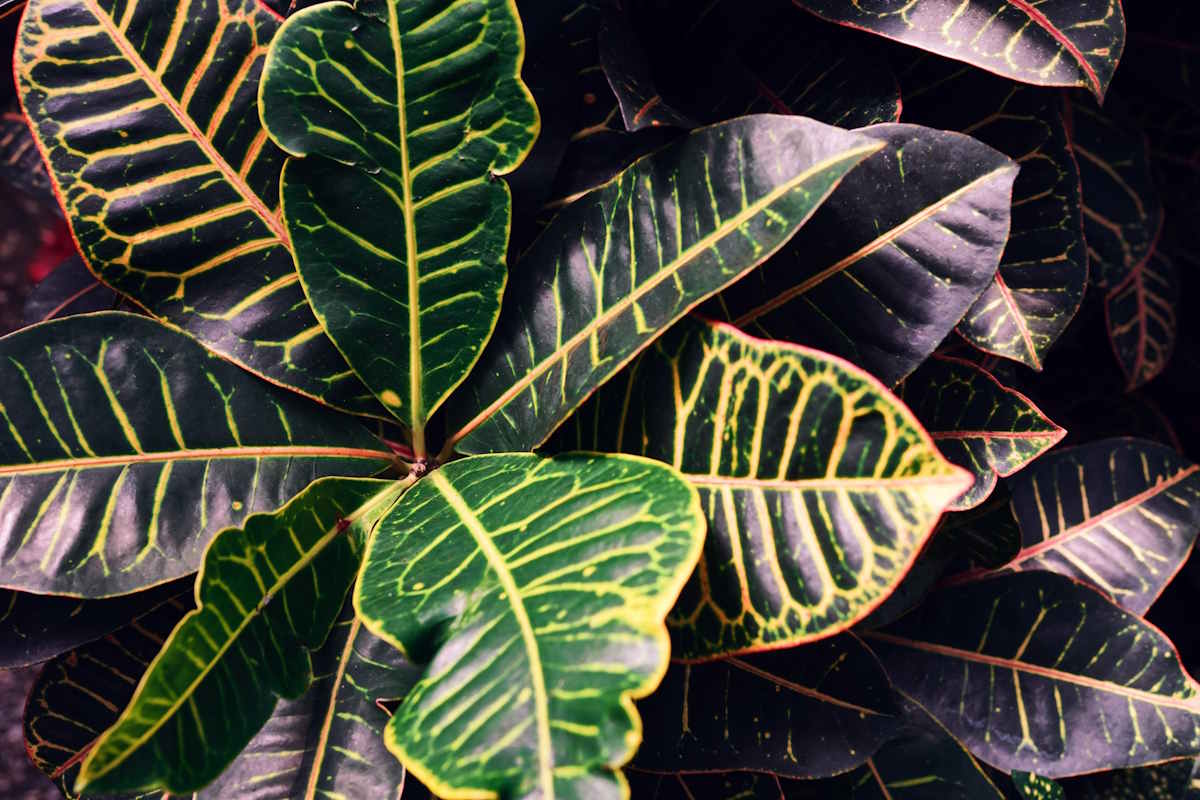
Calathea is native to tropical rainforests, this plant loves humidity and releases it into the air through transpiration, helping to refresh the environment. Its large, broad leaves also provide a surface for water to evaporate, further increasing humidity.
Calathea requires indirect light and moist but well-drained soil. Water regularly, avoiding water stagnation. Mist the leaves frequently to keep humidity high. Fertilize every 2-3 months during spring and summer.
Kentia
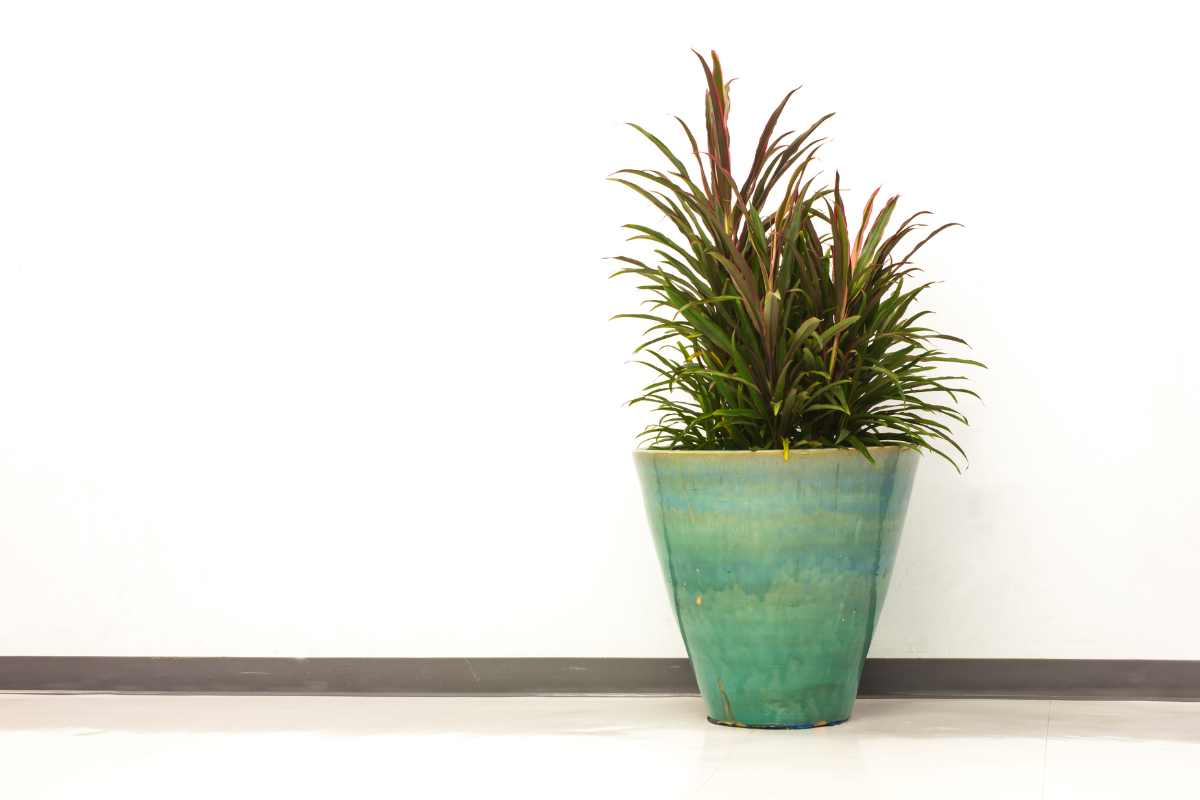
Kentia purifies the air by eliminating pollutants such as formaldehyde and benzene, and increases humidity through perspiration. Its large pinnate leaves offer a large surface area for water to evaporate, helping to cool the environment.
Care: Likes indirect light and well-drained soil. Water regularly, allowing the soil to dry out slightly between waterings. Fertilize every 2-3 months during spring and summer.
Cyclamen
@Haraldmuc/123rf
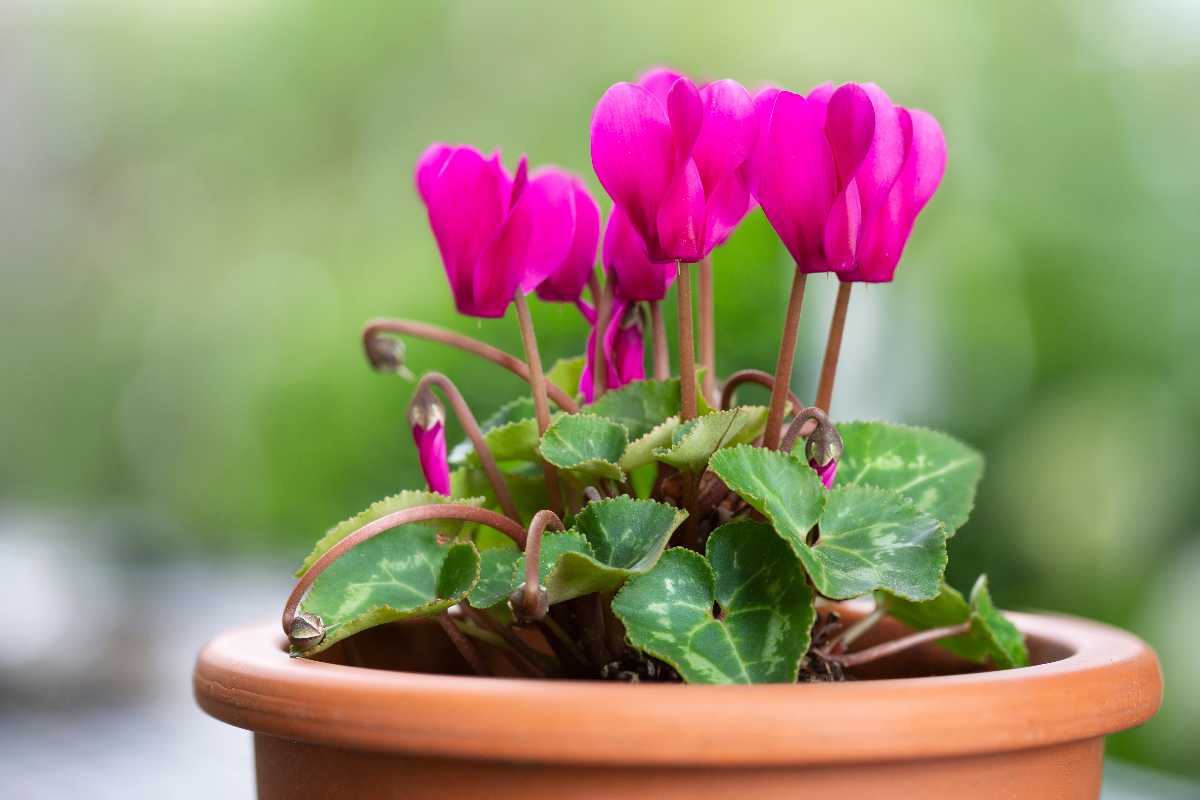
The cyclamen increases humidity by releasing water vapor through perspiration, creating a cooler, more humid microclimate. Furthermore, it has a calming effect that promotes restful sleep, particularly useful during hot nights.
This plant prefers indirect light and moist but well-drained soil. Water regularly, avoiding water stagnation. Fertilize every 2 months during flowering.
Ficus Benjamin

@123rf.com
Ficus Benjamin is a tropical plant capable of purifying the air by eliminating various substances, increasing humidity through transpiration. Its broad leaves offer considerable surface area for water to evaporate, helping to cool the environment.
Ficus prefers indirect light and moist but well-drained soil. Water regularly, avoiding water stagnation. Fertilize every 2-3 months during spring and summer.
Palma Areca
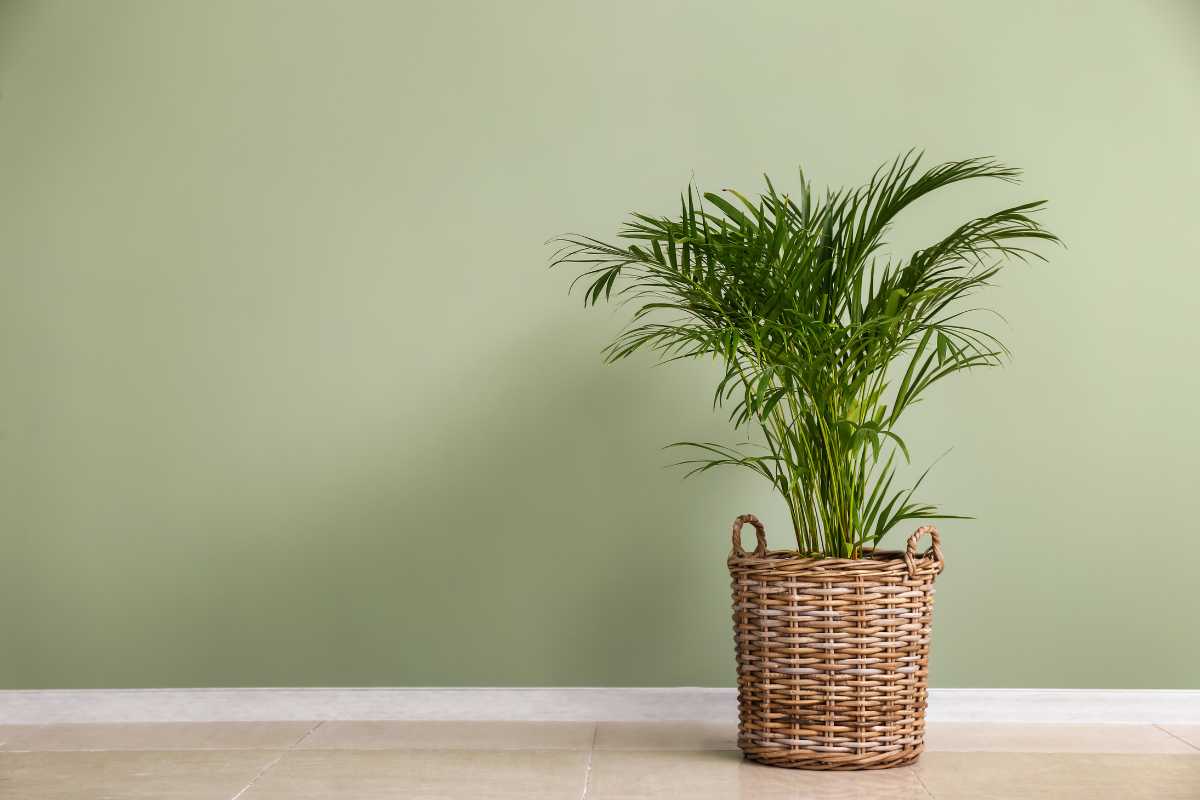
The Areca Palm increases humidity by releasing water vapor through perspiration, creating a cooler, more humid microclimate. Additionally, its feathery fronds provide light, decorative shade.
It prefers indirect light and moist but well-drained soil. Water regularly, avoiding water stagnation. Mist the leaves frequently to maintain high humidity, especially in dry environments. Fertilize every 2-3 months during spring and summer.
Fern
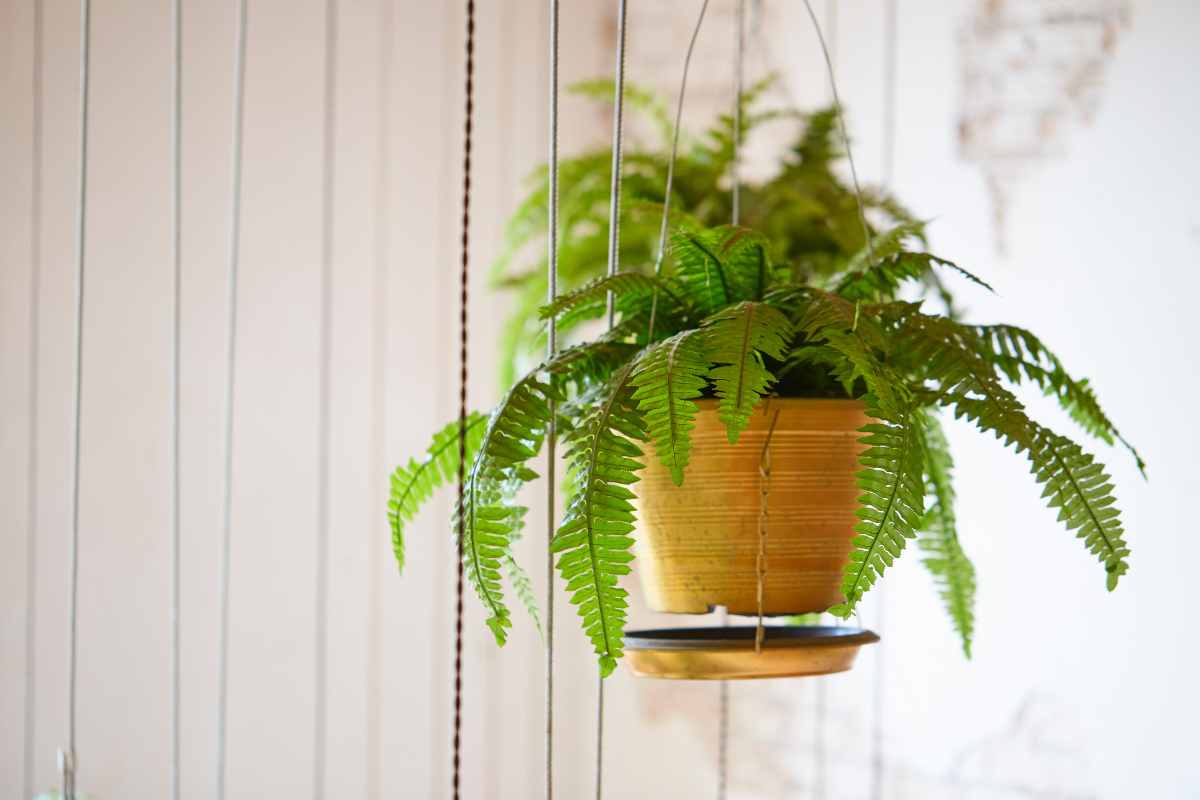
Fern increases humidity by releasing water vapor through perspiration, creating a cooler, more humid microclimate. Furthermore, its delicate and soft fronds give a sense of peace and relaxation. It prefers indirect light and moist, well-drained soil. Water regularly, avoiding water stagnation. Mist the leaves frequently to keep humidity high. It does not tolerate direct sunlight, which can burn its leaves.
Pothos

The Pothos purifies the air by eliminating pollutants such as carbon monoxide and increases humidity through perspiration. Furthermore, it is a very resistant and easy to grow plant, ideal for those who do not have much experience with plants.
It prefers indirect light and moist but well-drained soil. Water regularly, avoiding water stagnation. It also tolerates low light. Fertilize every 2-3 months during spring and summer.
Sansevieria (mother-in-law’s tongue)
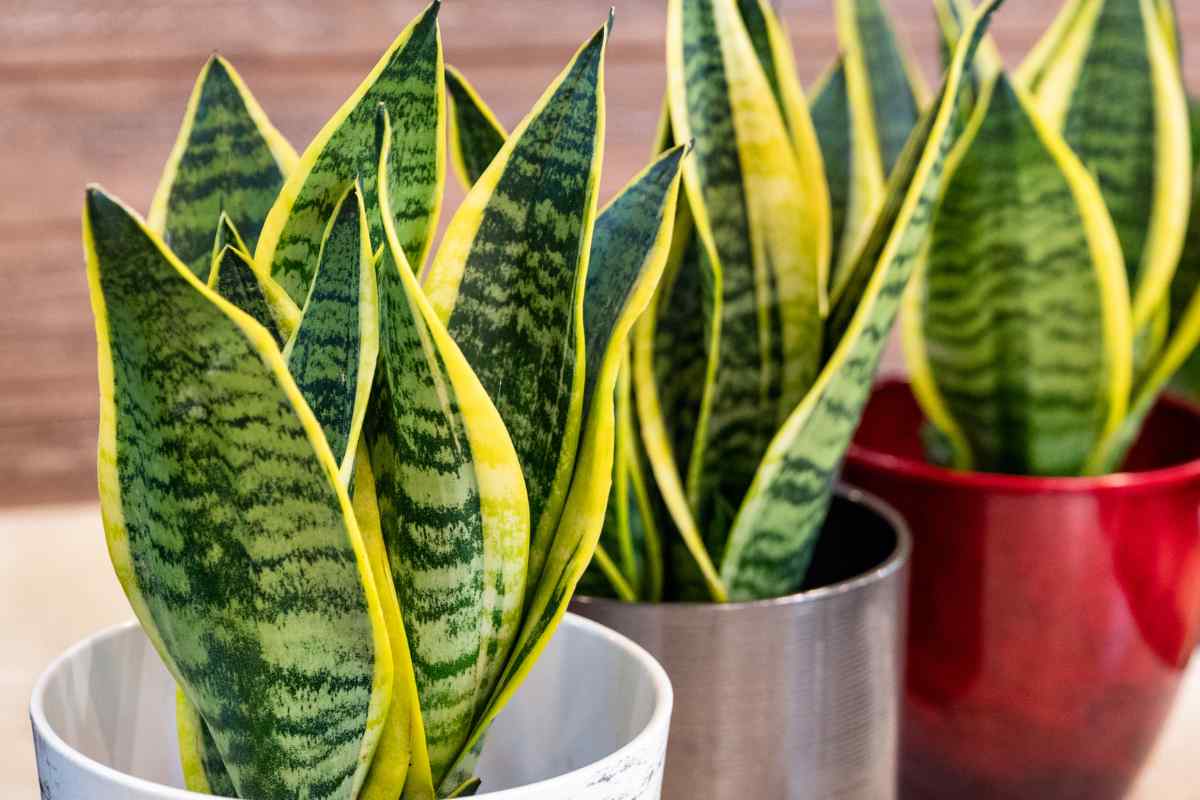
There Sansevieriareleases water vapor through perspiration, increasing humidity in the air and refreshing the environment. Furthermore, given its nature as a succulent, it is a very resistant plant that tolerates drought and low light, ideal for those who are often away from home or tend to forget to water the plants.
This plant prefers direct or indirect light and well-drained soil. Water regularly, allowing the soil to dry completely between waterings. Does not tolerate water stagnation. Fertilize every 2-3 months during spring and summer.
Monstera Deliciosa
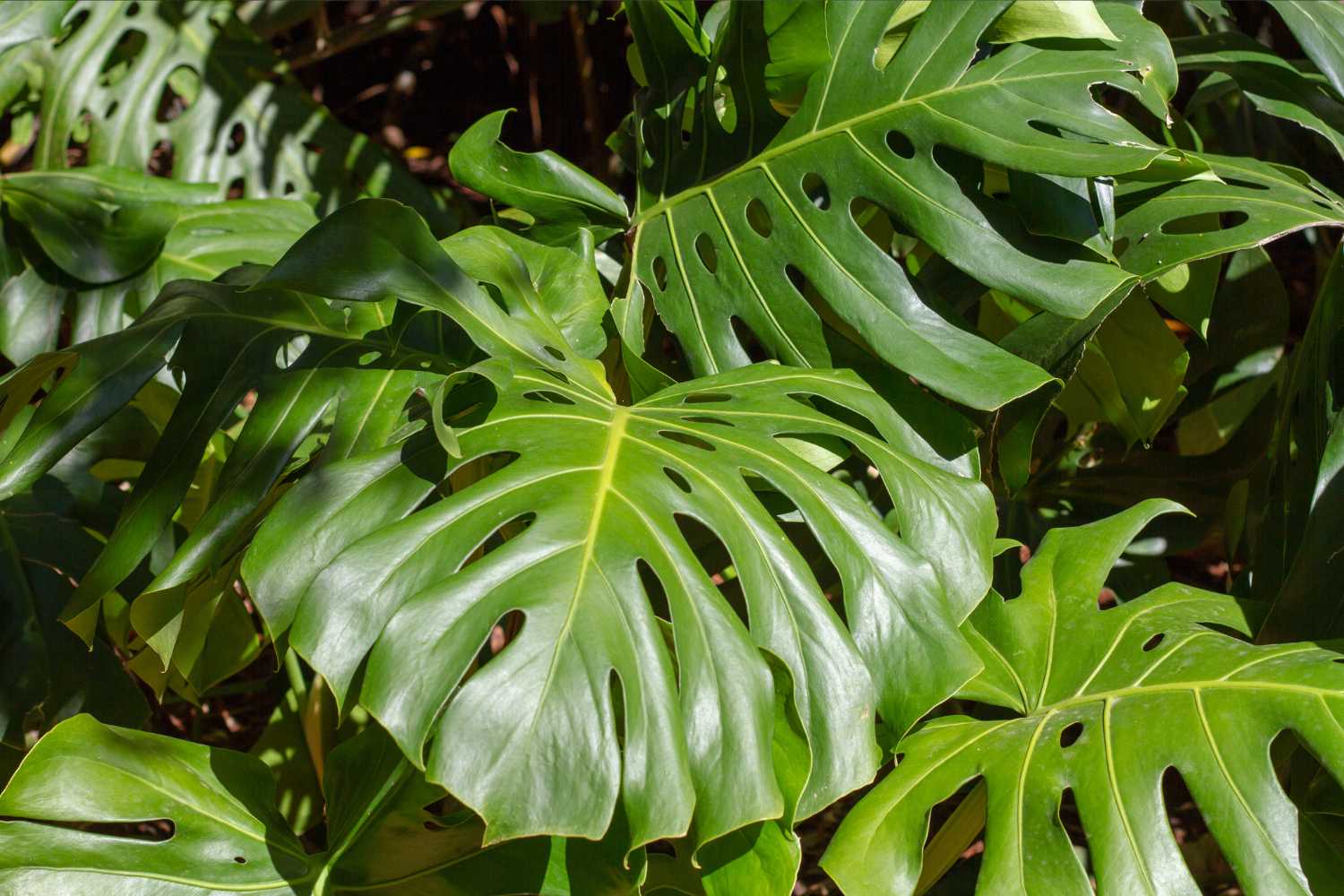
Monstera Deliciosa is one of the most popular indoor plants of recent years, and not just for aesthetic reasons. Its huge, shiny and characteristically perforated leaves offer an extraordinary breathable surface, releasing large quantities of water vapor into the air and helping to keep the environment cooler and humid during the hottest days. Native to the tropical forests of Central America, Monstera is used to hot and humid climates, and for this reason it knows how to manage heat better than many other plants. It is resistant, grows quickly and adapts well to indoor spaces. It prefers indirect light and regular watering, allowing the soil to dry out slightly between waterings. It should be fertilized every two or three months during the hot season.
Indoor bamboo (Chamaedorea)

Indoor bamboo, also known as Chamaedorea, is one of the most effective air purifiers that exist, and is also among the plants with the highest transpiration rate. This means that it releases significant quantities of water vapor into the home environment, creating a cooler and more breathable microclimate, particularly valuable in the hottest weeks of summer. Unlike outdoor bamboo, Chamaedorea is perfectly suited to apartment life: it does not grow uncontrollably, tolerates indirect light and does not require special care. Watering regularly and avoiding water stagnation is enough to keep it healthy. A large vase near a west-facing window is the ideal placement.
Dracena

©burnsashleybelle/123rf
The Dracena is a plant that deserves much more space than is normally dedicated to it. Available in dozens of varieties, from thin and elongated leaves to wide and colorful ones, it is one of the most effective in purifying domestic air from toxic substances such as xylene, trichlorethylene and formaldehyde. But its summer usefulness doesn’t stop there: it constantly perspires, helping to maintain air humidity at comfortable levels even on the hottest days. It tolerates high summer temperatures well without suffering, which makes it particularly suitable for homes that heat up quickly. It prefers indirect light, tolerates even low light conditions and requires moderate watering. It is an almost indestructible plant, ideal even for those without a green thumb.
Tradescantia (Miseria Plant)
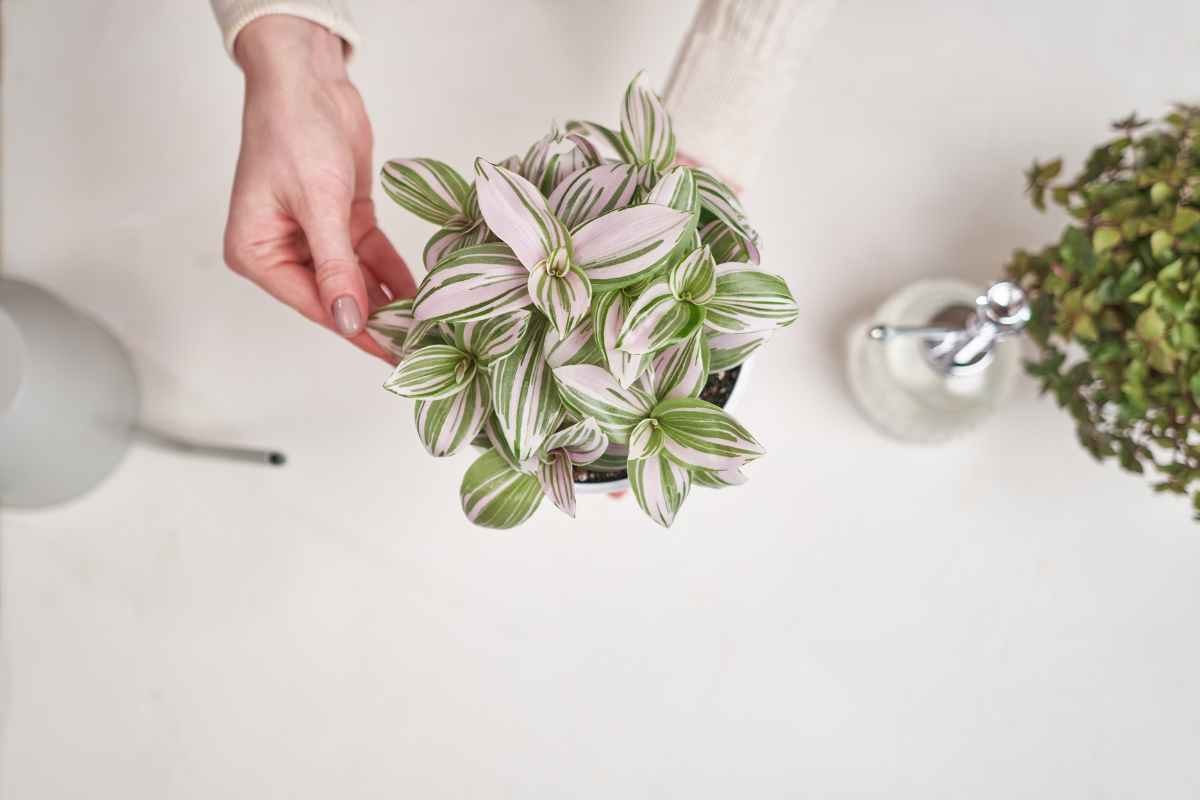
Tradescantia, commonly called Miseria due to its ability to survive in any conditions, is a plant that surprises for its thermal effectiveness. Its fleshy leaves and drooping habit make it perfect in hanging vases or on high shelves, where it can intercept solar heat before it spreads into the environment. It transpires continuously, releasing constant humidity into the air, and grows at such a speed as to always guarantee an abundant leaf surface. It exists in many color varieties, from bright green to intense purple, passing through two-tone versions, which also makes it very decorative. It requires little care: indirect light, regular watering and some fertilization during the growing season are more than enough to keep it thriving all summer.
Aglaonema
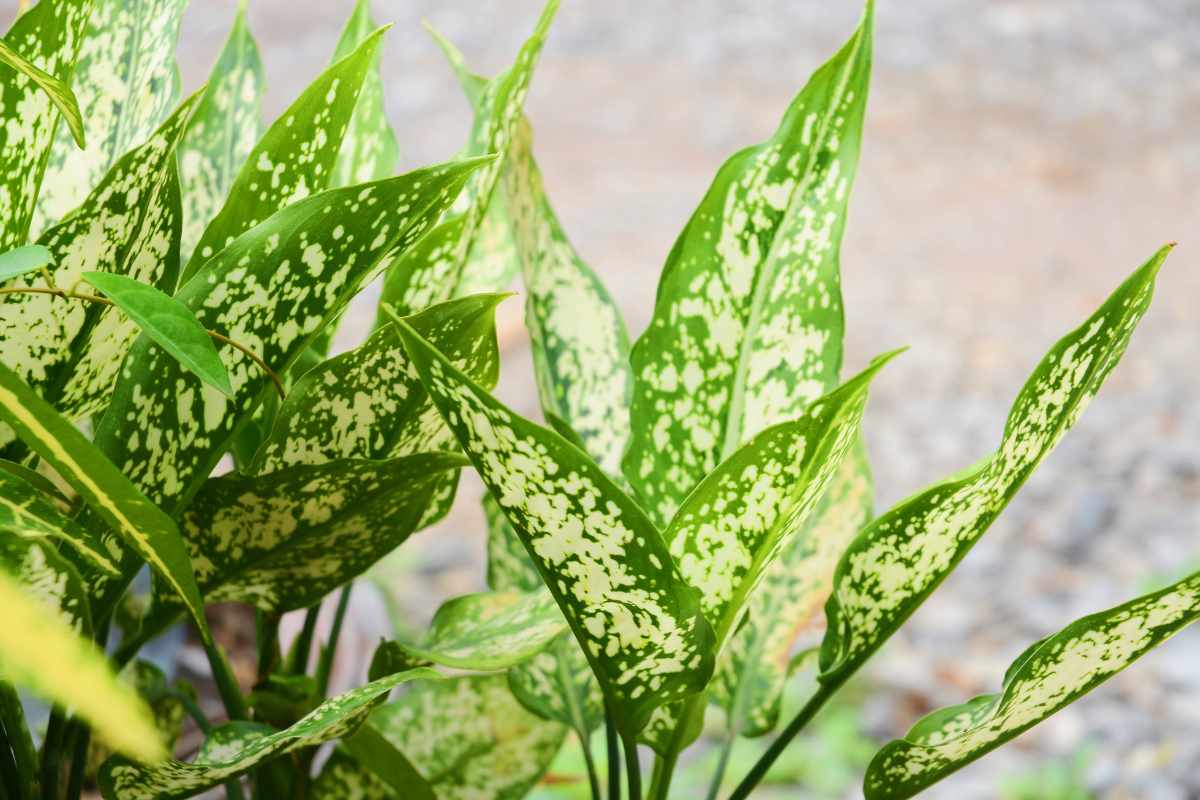
Aglaonema is a tropical plant native to the forests of South-East Asia, where it grows in the humid and shady undergrowth. This origin makes it particularly good at managing heat: it tolerates high temperatures without suffering, but at the same time fights the heat by constantly releasing humidity into the air through perspiration. Its large, shiny leaves decorated with patterns that vary from dark green to burgundy red, through pink and creamy white, make it one of the most beautiful indoor plants ever. It is also among the most resistant: it tolerates low light, irregular watering and poorly ventilated environments. It prefers indirect light and fears water stagnation. To be fertilized every two or three months during spring and summer.
Read also:
Domestic pollution: 15 houseplants that purify the air in the home
