
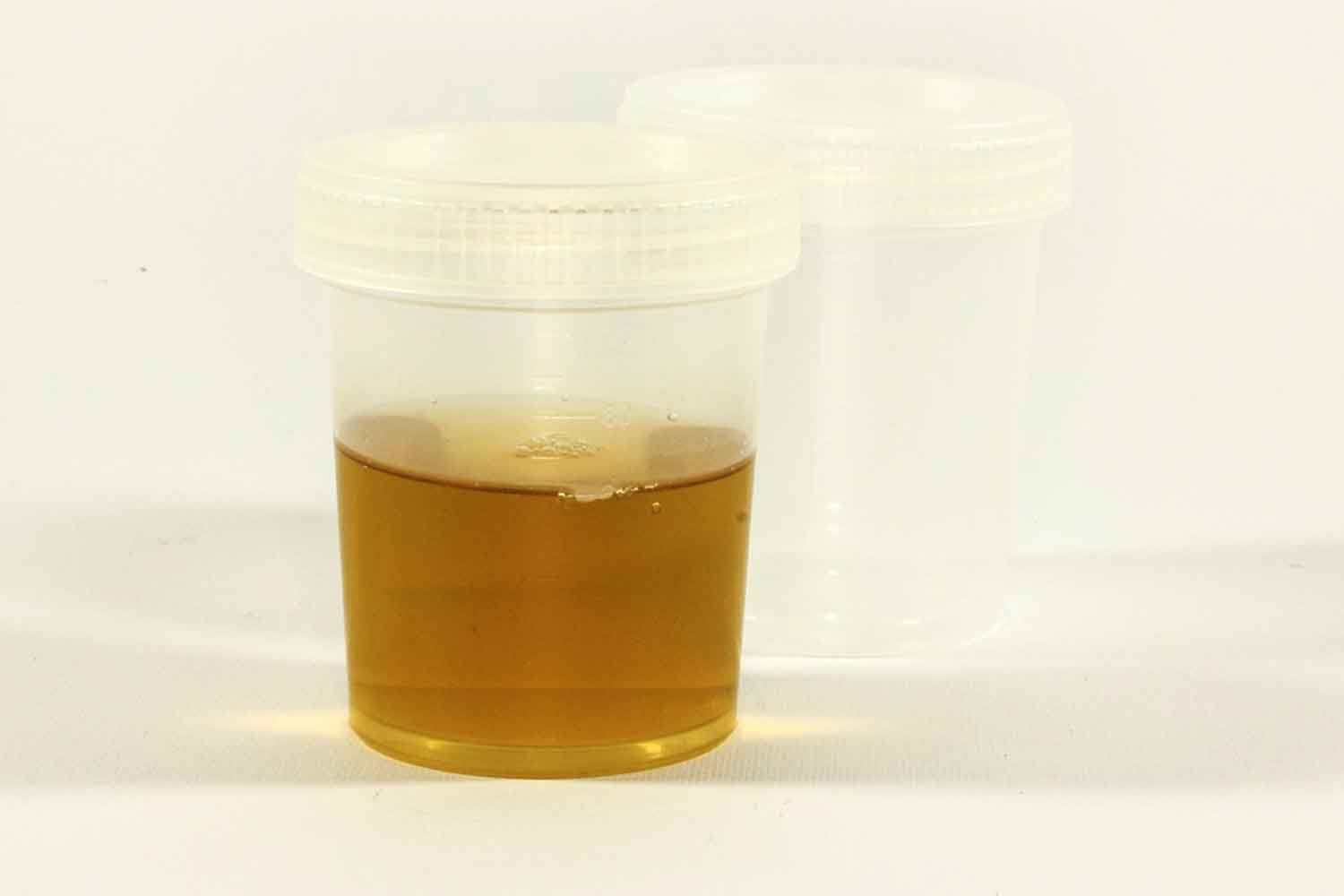
How old are you really, regardless of the date on your ID? The answer today could be found in a simple urine sample. A group of researchers has developed an innovative urine test for biological age, capable of precisely estimating the speed at which the body is aging, without needles, without pain and without invasive procedures.
For years, the absolute reference for measuring biological age has been represented by so-called epigenetic clocks based on DNA methylation. Extremely accurate instruments, of course, but also expensive, complex and almost always linked to a blood sample. Now, however, something is changing.
A microRNA-based urine test for biological age
The turning point comes from a study published in the scientific journal npj Agingwhich introduces a urinary biological clock based on the analysis of microRNAs present in urine. At the center of this technology there are tiny extracellular vesicles, real “microscopic bubbles” that carry fundamental information on the internal state of the organism.
MicroRNAs can be imagined as packets of biological data: they regulate gene expression and reflect key processes such as cellular stress, inflammation and senescence. Interpreting these signals correctly, however, is not easy. And this is where artificial intelligence comes in.
The researchers used a machine learning system called LightGBM, trained on a large sample of 6,331 Japanese adults. The algorithm learned to link specific urinary microRNA patterns to actual biological age, recognizing complex patterns that elude traditional analysis.
To verify that these were not simple statistical coincidences, the data were compared with already known aging markers. Some microRNAs, such as miR-34a-5p and miR-31-5p, increase when cells stop dividing and age. Their increase in urine samples confirmed that the test was intercepting authentic biological signals.
An average absolute error of approximately 4.4 years. A value slightly less precise than DNA tests from blood, but superior to other biological clocks based on blood RNA. With a decisive advantage: zero invasiveness and great scalability.
Knowing your biological age means going beyond the number of years you have lived. Chronological age is a personal data, while biological age is a prediction of future health status. Knowing if your body is aging faster than normal can become a powerful tool to guide daily choices and prevention strategies.
The study highlighted, for example, that in people with type 2 diabetes the biological clock tends to speed up. Men and women with this pathology show a higher Delta Age, i.e. a greater distance between chronological age and biological age. A signal that suggests a higher risk of developing other age-related diseases and the need for more timely and targeted therapeutic interventions.
Not only that. Some microRNAs identified are also associated with Alzheimer’s and forms of dementia. Although still preliminary, these data open the way to the hypothesis that a simple urine test could, in the future, also contribute to brain health screening, long before symptoms appear.
Of course, the technology isn’t perfect yet. The authors of the study report lower precision in extreme age groups, under 25 and over 80. Hydration also has an impact: drinking a lot of water dilutes urine and can alter the concentration of microRNAs. For this reason, specific quality controls have been introduced to compensate for these variables.
The future of preventive medicine passes through yellow
The direction is clear. Medicine is moving towards a preventative, personalized and accessible model on a large scale. Blood sampling requires facilities, specialized personnel and cold chains. Urine, on the other hand, only needs a container and a bathroom.
This new urine test for biological age is part of an increasingly solid line of research. In recent years, urinalysis has already demonstrated high effectiveness in the early detection of ovarian, esophageal and pancreatic cancers, in some cases with a sensitivity equal to or greater than blood tests.
The difference today is the broader horizon. It is no longer just a matter of finding a specific disease or evaluating kidney function, but of measuring the overall biological decline of the organism. Turning a waste product into a window into cellular health could allow us to finally stop chasing time and actually start slowing it down.
You might also be interested in:
