
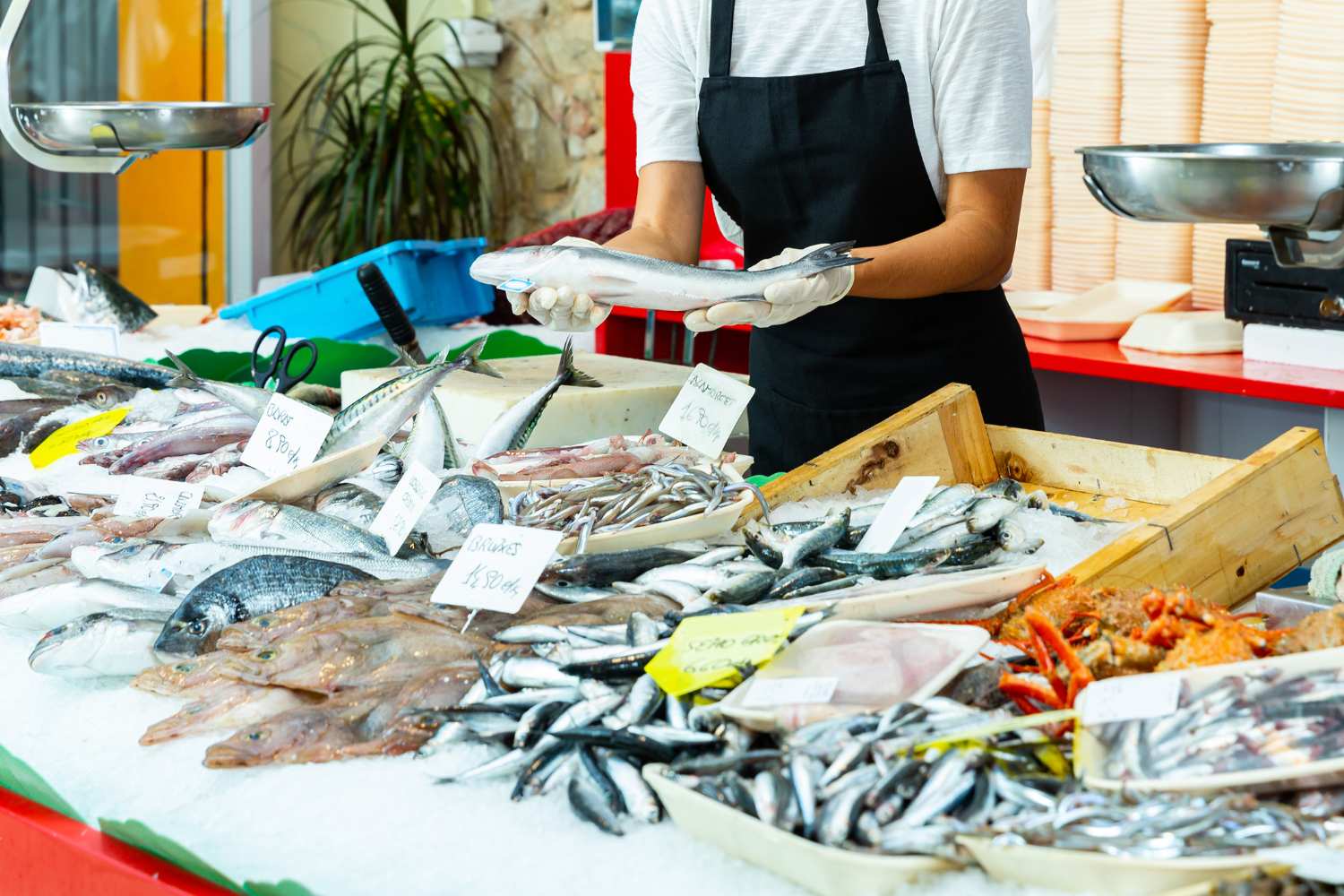
The sustainability of fish consumption is a complex and delicate issue. Ideally, reducing or eliminating fish from our diet would be the best choice for the health of our oceans. However, many people continue to consume it in large quantities (just think for example of the spread of sushi) and Greenpeace is addressing them, having drawn up a list of “less at risk” species and a series of indications to guide them towards more responsible choices.
The situation of our seas is indeed critical: in Italy fishing has been in decline since the mid-1980s, an alarming sign of the state of fish populations. Yet our country remains the one that fishes the most in the Mediterranean. On a general level, according to FAO estimates for 2025, 52% of fish stocks in the Mediterranean and Black Sea are still overexploited. Despite some signs of recovery, we are far from the objectives necessary to guarantee healthy marine ecosystems.
As consumers we can, indeed we must, do our part. Those who eat fish, therefore, should take into account which species are more or less at risk.
The fish species “least at risk” according to Greenpeace
Those who choose to consume fish can orient themselves towards these species, always remembering to check the fishing method used on the label:
Because farmed fish is not the solution
Contrary to what you might think, farmed fish is not a sustainable alternative. Intensive fish farming is extremely harmful: thousands of fish locked in cages produce waste that pollutes the seas, while feed, pesticides and antibiotics are massively used.
The paradox is that to feed farmed fish you need more caught fish: farming therefore does not reduce the pressure on marine stocks at all, but increases it, resulting in a net loss for our ecosystems. Over 70% of the fish we consume in Italy is imported or comes from these intensive farms.
How to recognize fishing methods: the importance of the label
Carefully reading the fish label is essential to be able to distinguish products caught with low impact methods from those obtained using more destructive techniques.
Among the methods considered sustainable, the pot is a funnel-shaped artisanal tool that traps fish thanks to bait, making it very selective. The bottom longline consists of a series of hooks lowered to the seabed and is quite sustainable, as long as it is not confused with the drift longline, which has greater impacts. Purse seines, or purse seines, use a lampara to attract blue fish such as mackerel and sardines, while the fixed and artisanal gillnet is widespread in the Mediterranean and is mainly used for bottom fish.
On the contrary, some fishing methods have a very high impact on the marine environment. The flying tuna, a large net, can cause accidental catches of sharks, dolphins and turtles. The resulting longline is not very selective and often catches protected species. The trawl net, or trawler, scrapes the seabed destroying precious habitats, while the turbo-dredger, among the most damaging tools, disturbs the seabed with jets of water, causing serious damage to the ecosystem.
5 tips for more responsible fish consumption
Here is a summary of Greenpeace’s advice for choosing fish:
