
There are places that have existed for so long that they almost seem normal to those who live near them. The Augustus Bridge in Narni is one of these. Built around 27 BC to carry the Via Flaminia across the Nera river, this travertine colossus has seen Roman armies, Ostrogothic kings and eighteenth-century French painters pass by. Today few people reach it, almost by chance, cycling along the Gole del Nera. And whoever finds it hardly forgets what he sees.
Only one arch remains of him, the first, but it is enough to understand what it is about. Thirty meters high above the river, blocks of squared stone that seem to fit together without logic and yet have held for two thousand years, and around the silence of the gorges, the sound of the water, the vegetation that in summer almost hides everything. The other three arches collapsed over the centuries, between earthquakes and floods, the last one in 1885.
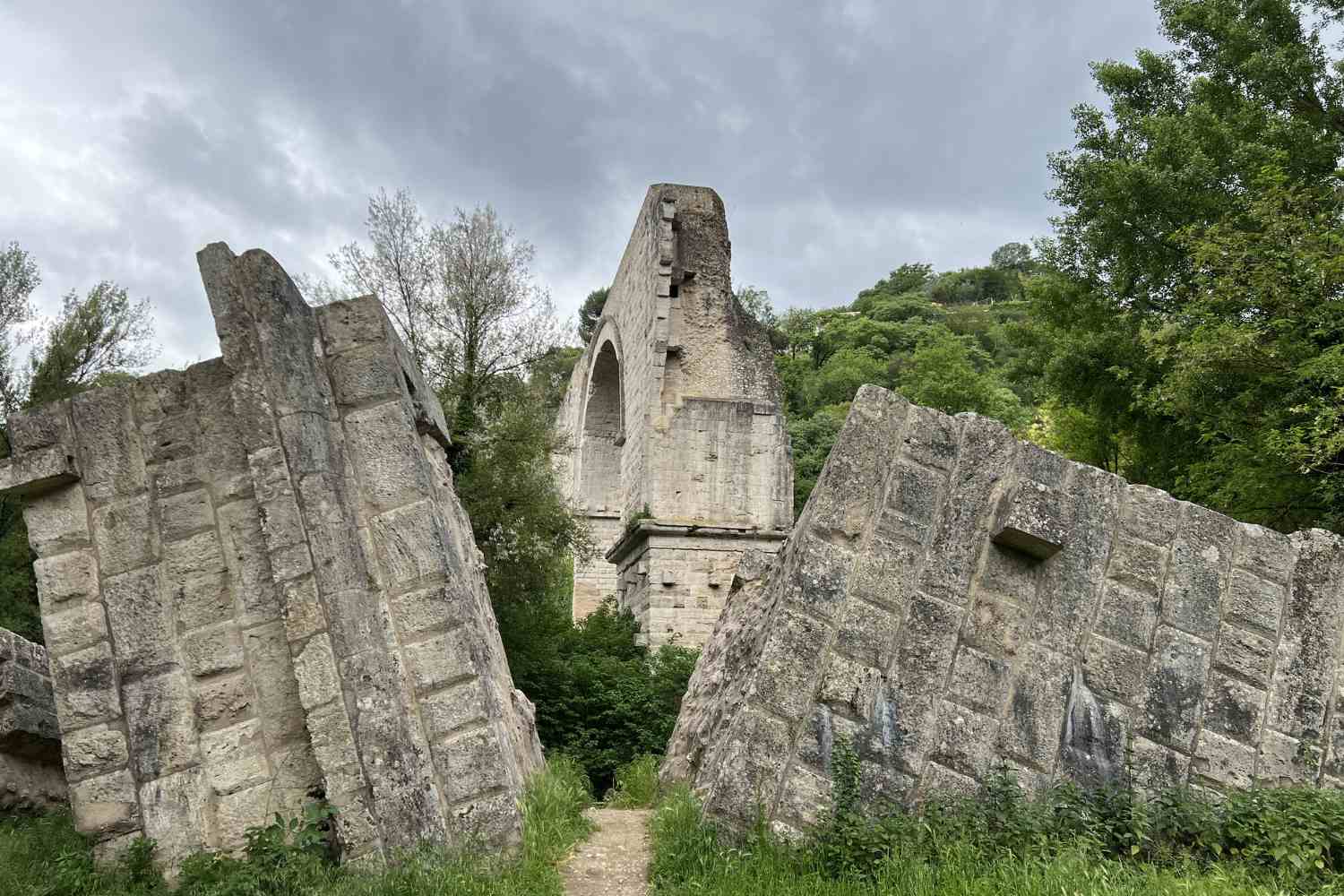
The bridge was born for a practical reason: to connect Narnia, this was the Roman name of Narni, yes, the very one from which CS Lewis took the name for his imaginary kingdom, with Carsulae, another Roman municipality a little further north. The Via Flaminia was the main artery of central Italy, and crossing the Nera at that point was a serious engineering problem. The Romans solved it with four arches, an eight meter wide roadway and a structure so solid that even in 573 AD, six hundred years after construction, an Ostrogothic army passed over it without problems.
The Byzantine historian Procopius called him “most noble”. The poet Marziale wrote about it with admiration, then between the eighteenth and nineteenth centuries, it became a fixed stop on the Grand Tour: European aristocrats and intellectuals came down to Italy to see the Roman ruins, and this bridge, already half destroyed, already “Broken Bridge” as the medieval chronicles called it, exercised a specific charm. Jean-Baptiste-Camille Corot painted it during his Italian trip and the painting is today in the Louvre.
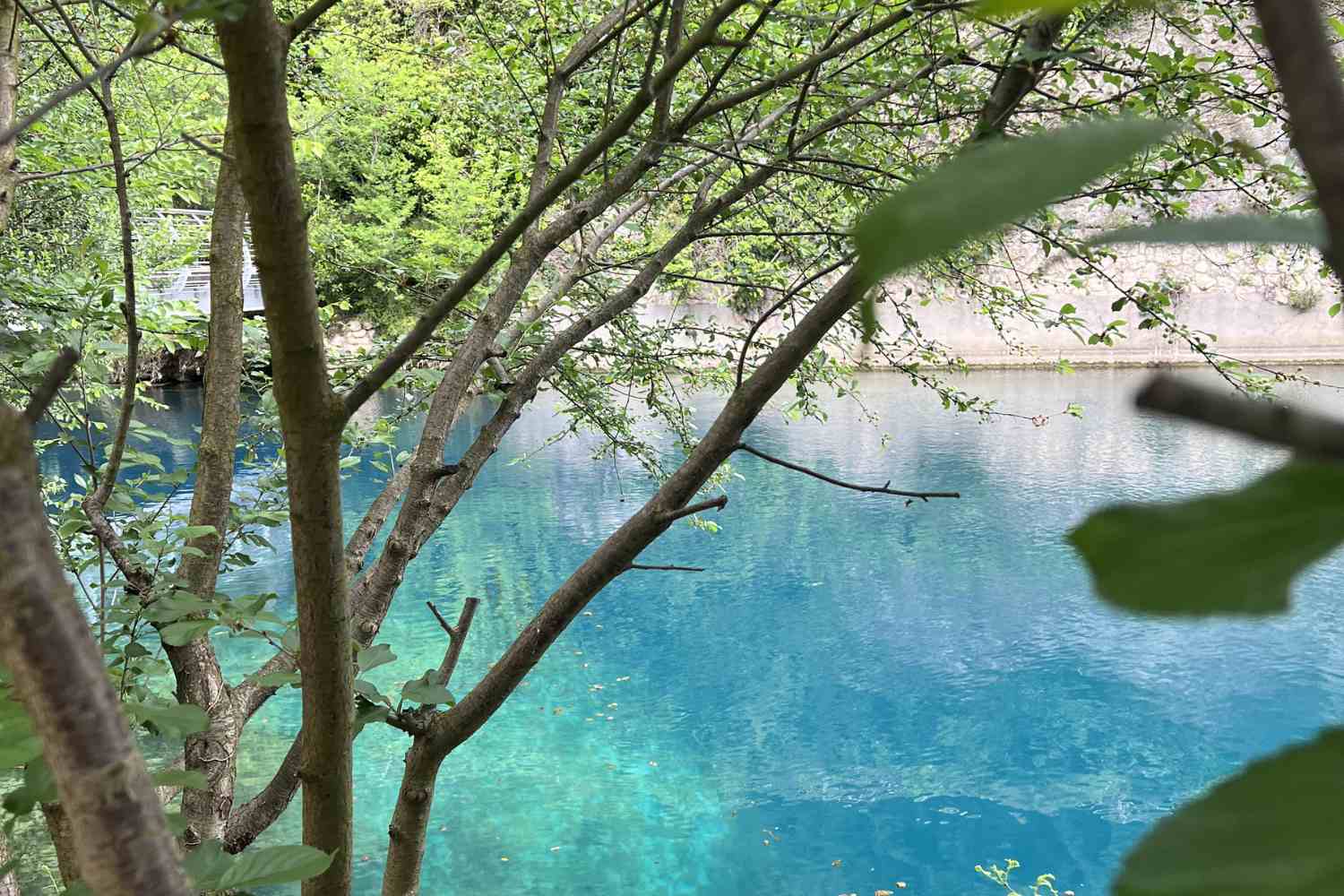
Coming here today makes sense not only for the bridge. The Nera Gorges are one of those places where the landscape does everything by itself: rocky walls that squeeze the river, dense woods, green water that flows quickly towards the Tiber.
How to get there
Narni is located in southern Umbria, in the Ternano area, about 80 kilometers from Rome and 15 from Terni. By car, take the A1 motorway until the Orte exit, then follow the E45 towards Terni until the Narni-Amelia exit. From there it’s a few minutes. The bridge is not located in the historic center of Narni, which is perched on a hill, but lower down, along the river, in the hamlet of Narni Scalo. The signs for the Gole del Nera lead directly to the area.
By train the closest station is Narni-Amelia, on the Rome-Ancona line. From there you can reach the site on foot in about twenty minutes following the river, or by taxi or a local transfer service.
How to get there by bicycle
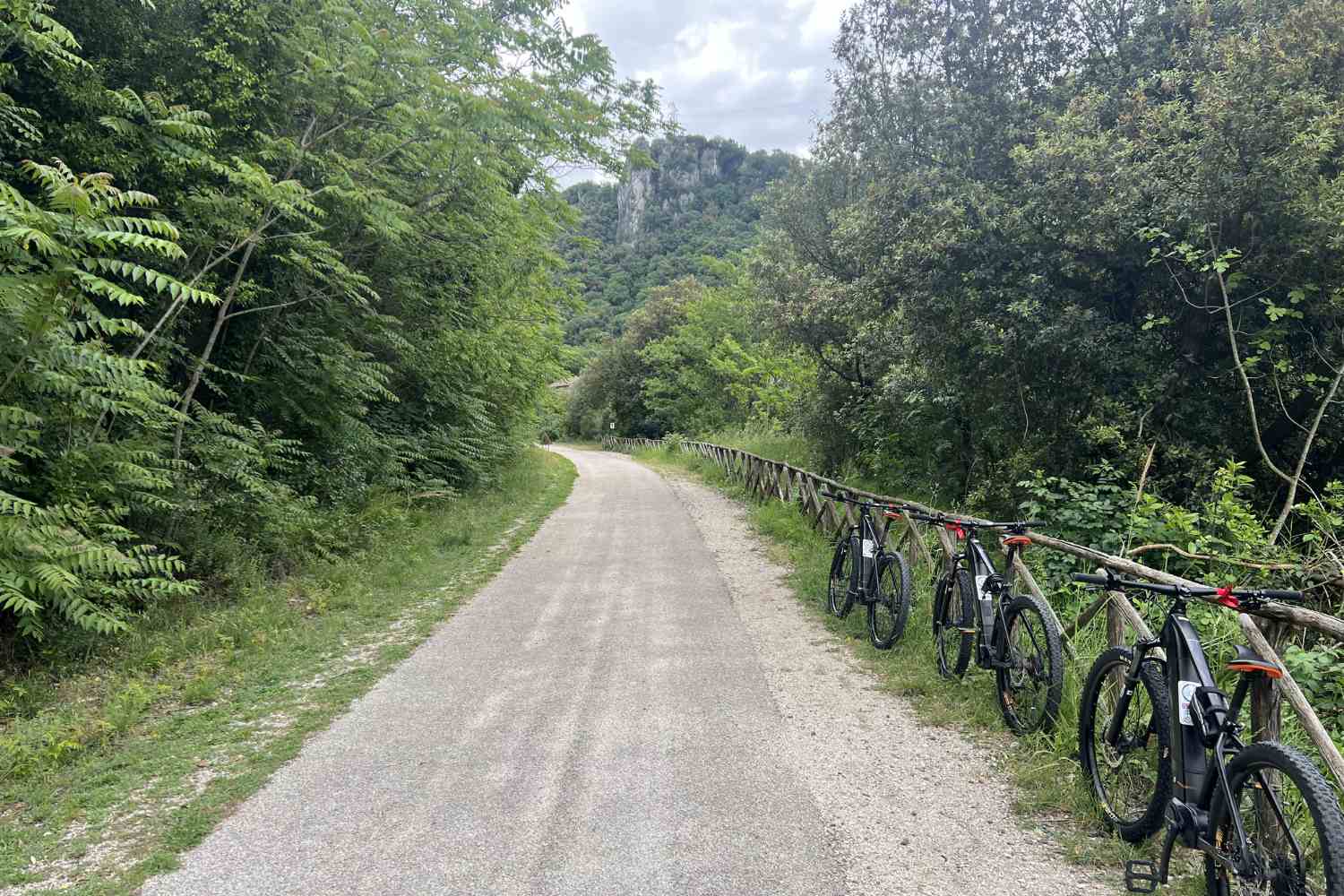
This is probably the best way to visit the Ponte d’Augusto and the Gole del Nera. The cycle-pedestrian itinerary that runs along the river partly follows the old railway route, with flat and wide sections, accessible even to those who are not expert cyclists and to those traveling with an e-bike.
From Narni Scalo you cycle towards the gorges following the course of the Nera: the bridge appears after a few minutes, almost suddenly, above the vegetation. From there you can continue along the river through old tunnels, iron bridges and small villages, for a route that is worth taking to the end without rushing.
Those who want to organize the excursion with structured support can rely on Umbria&Bike, the regional consortium that manages guided and self-guided tours throughout the region, with bike and e-bike rental, transfers and certified guides.
