
Today, December 2, is World Anti-Slavery Day. A moment of celebration of freedom and human dignity, yes, but only on paper. Today, in 2025, such a Day only reminds us of a painful reality: millions of people are still trapped in forms of contemporary slavery.
Despite progress, slavery is not a shadow of the past, but a plague that continues to affect the most vulnerable people. Estimates speak of 50 million victims worldwide, of which 22 million forced into forced marriages and 28 million forced into forced labor. Of these, 200 thousand are located in Italy.
Human trafficking, forced labor and exhausting shifts, sexual exploitation, forced marriages and factories with no escape route: abuses, unacceptable in the 21st century, which know no borders. The UN warns us that modern slavery occurs in every corner of the planet, including high-income countries, where a significant proportion of forced labor and forced marriages occur.
View this post on Instagram
The new forms of slavery
Today, slavery no longer presents itself as in the collective imagination of the past, with people chained and sold like commodities. Forms of subjugation are more insidious and hidden, often embedded in our global economic system, fueled by poverty, discrimination and globalization.
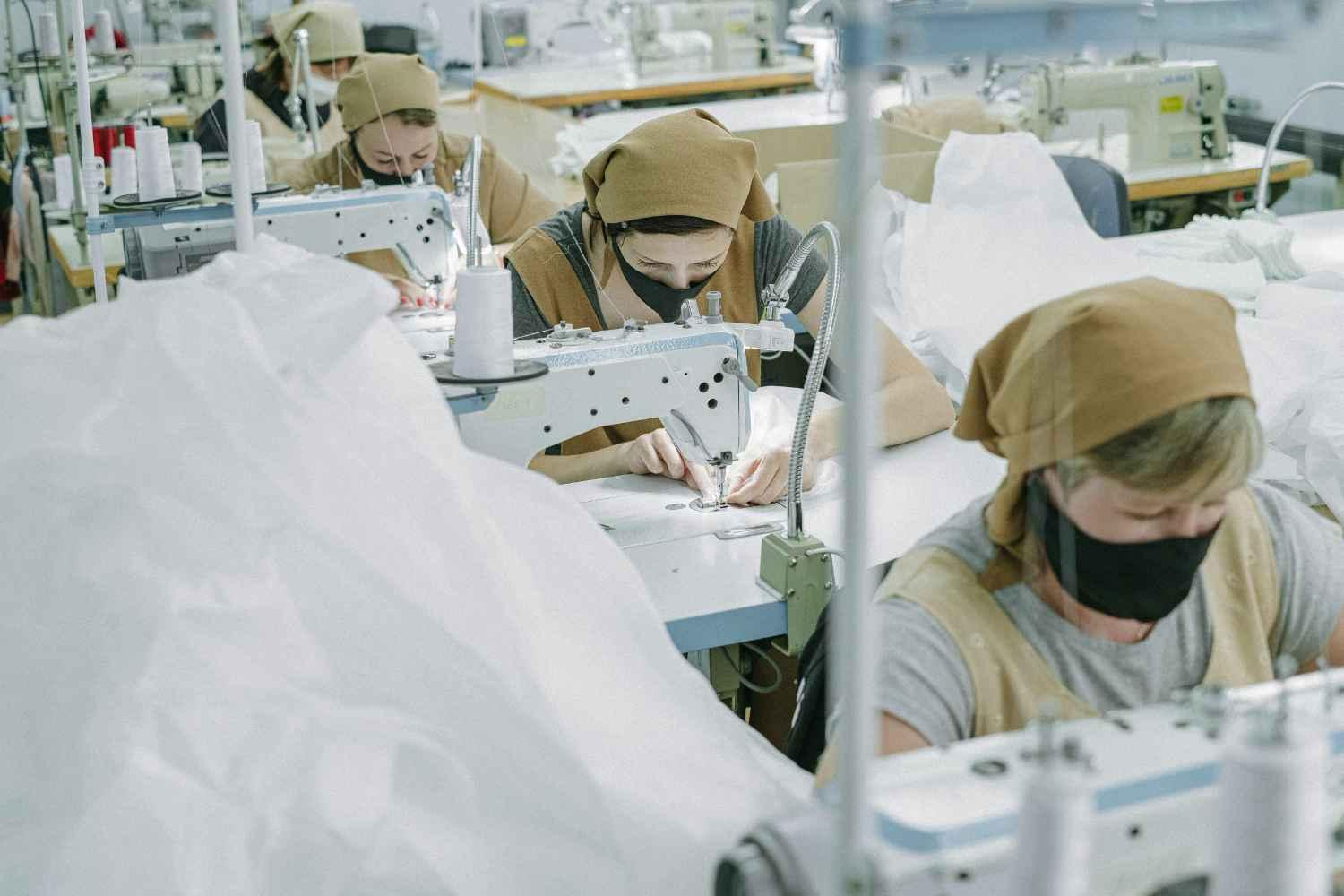
Forced labor is one of the most common forms: millions of people are forced to work in inhumane conditions, in sectors such as agriculture, construction, fishing and textiles, under the threat of violence. These are often migrants, women and children, all deceived with promises of work that turn out to be traps of exploitation.
Sex trafficking is another dark face of this invisible slavery. Women and girls, in particular, are forced into prostitution, often victims of illegal trafficking that fuels organized crime. Forced marriages especially affect young girls, depriving them of their freedom, education and dignity, and forcing them into a life of suffering.
But modern slavery also takes other forms that are more difficult to detect, such as domestic slavery, debt bondage and the recruitment of child soldiers. These practices, unfortunately, continue to destroy lives, reducing individuals to objects in the hands of their tormentors.
A global phenomenon that requires a global response
The fight against modern slavery is a collective challenge that requires a concrete commitment from everyone: governments, international organizations, civil society and every single individual.
The United Nations, through the 2030 Agenda for Sustainable Development, has committed to eliminating all forms of slavery and forced labor. The ILO has created conventions to protect workers, while the UN has established trust funds to help victims of trafficking. Several NGOs are actively involved in raising awareness and supporting victims.
Established in 1949 by the United Nations General Assembly, the World Day for the Abolition of Slavery represents once again an opportunity for reflection and action against one of the most serious violations of human rights. Every December 2, the global community unites again to denounce slavery and promote the freedom of every human being. We cannot remain indifferent to these atrocities. It is our duty to fight all forms of exploitation and violence, so that every person can live their freedom fully.
The fight for freedom is a battle that must be fought together, for a more just, supportive and free world from all forms of slavery.
Sources: ILO / THE GLOBAL SLAVERY INDEX
