
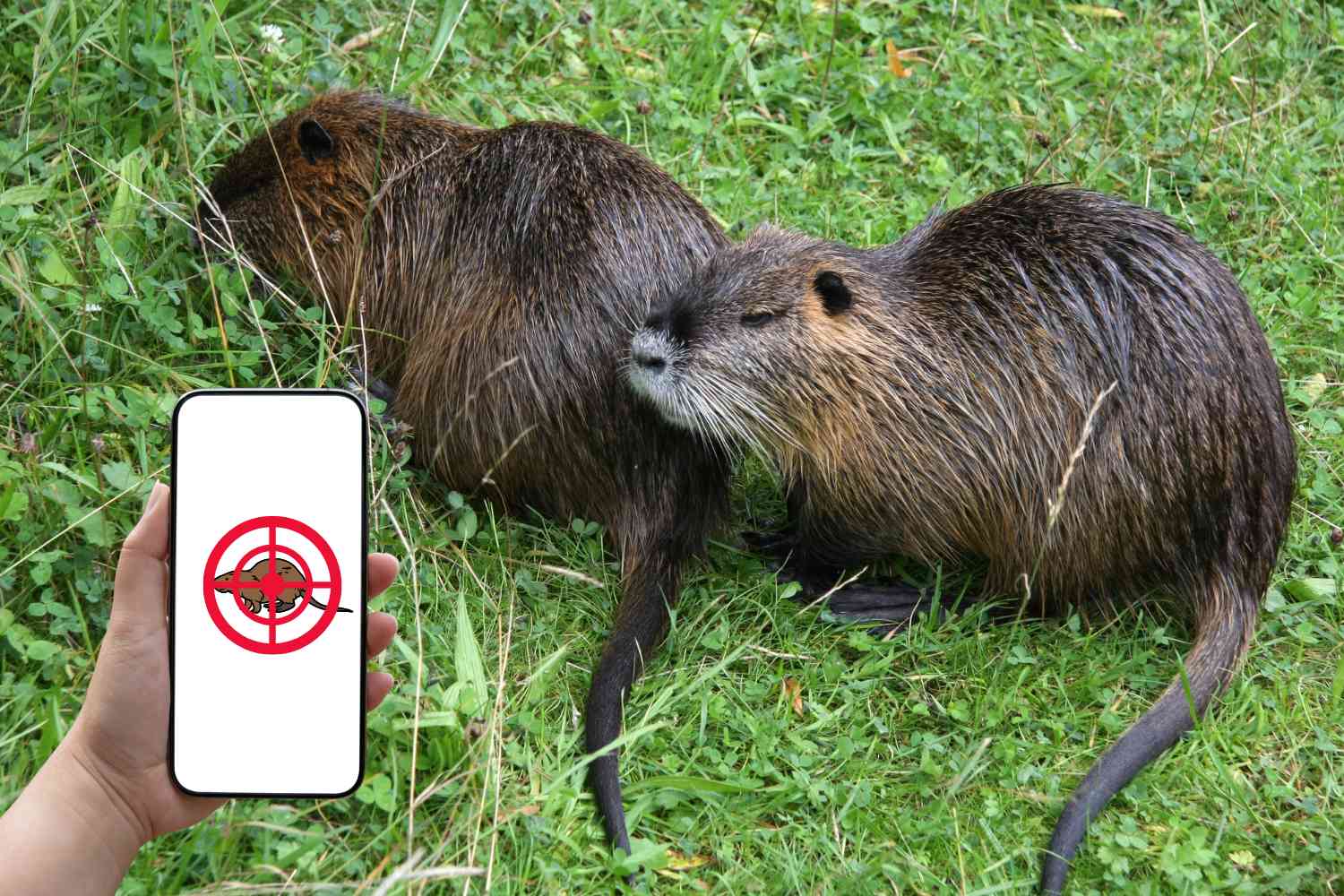
Wildlife management in Veneto is transformed into a ruthless high-speed technological operation. Dario Bond, regional councilor, officially presented in Mestre a new centralized IT system designed with a single, cold objective: to eliminate the dead time between reporting and killing nutrias in the area.
@Hynek Gazsi/123rf
How the nutria culling app works
Developed within the Reclamation Consortia Information System, this platform allows voluntary selective hunters to request and obtain felling permits directly on their smartphone. The Provincial Police will coordinate operations from a single control panel, with the future intention of allowing even ordinary citizens to report the presence of animals via a dedicated application.
A massive investment
This push towards the digitalisation of hunting is but the latest piece of a massive investment. On the basis of a three-year agreement (2025-2027) allocated by the regional council, a total of 1.5 million euros (500 thousand euros per year) were put on the table to finance the operational teams, the logistical structures and the disposal of the carcasses of the killed animals. The economic resources were mainly directed towards the provinces of Verona, where 53% of the total killings are concentrated, and Rovigo, responsible for 33% of the interventions, leaving the remaining shares to Venice, Padua, Belluno and Treviso.
The numbers of the massacre and the rhetoric of the hydraulic danger
The data presented by the institutions portray a disturbing scenario: in the last year between 60 thousand and 65 thousand nutria have been exterminated. An impressive number which, however, according to the promoters of technological hunting, is still insufficient compared to a regional population estimated between 800 thousand and one million specimens. Alex Vantini, president of Anbi Veneto, justified the urgency of the executions by speaking of a critical situation for agriculture and the viability of agricultural vehicles, accusing the rodents of causing the collapse of the canal banks and serious ecological damage to the wetlands due to the excavation of deep underground burrows.
The blame for this presence, however, falls entirely on the human being. These defenseless mammals were imported from South America in the second half of the last century to feed the fur industry; once the fashion passed, they were left to their own devices, simply managing to survive and adapt to the surrounding natural environment. Transforming them today into the scapegoat for much more complex structural problems, linked to the lack of maintenance of the territory, appears like a shortcut as bloody as it is ineffective.
The horror of weapons against defenseless animals: hunting does not solve the problem
It is not by killing thousands of defenseless creatures that a biological crisis is resolved. The history of fauna demonstrates that mass killings do nothing but stimulate an increase in the reproduction rate of the species, making the slaughter an endless and unsuccessful cycle fueled by taxpayers’ money. The real solution requires a radical paradigm shift, based on ecological and non-violent methods.
It is intolerable that in 2026 technological innovation is used to speed up the killing of living beings instead of developing sterilization plans and bloodless containment systems. It is necessary to invest those millions of euros in the planting of plant species that naturally stabilize the waterways, in the installation of anti-puncture underground metal nets along the sensitive banks and in the scientific monitoring of the territory. Stopping the systematic extermination of nutria is an indispensable ethical duty for a society that wants to define itself as civilized and truly respectful of ecosystems.
You might also be interested in:
