
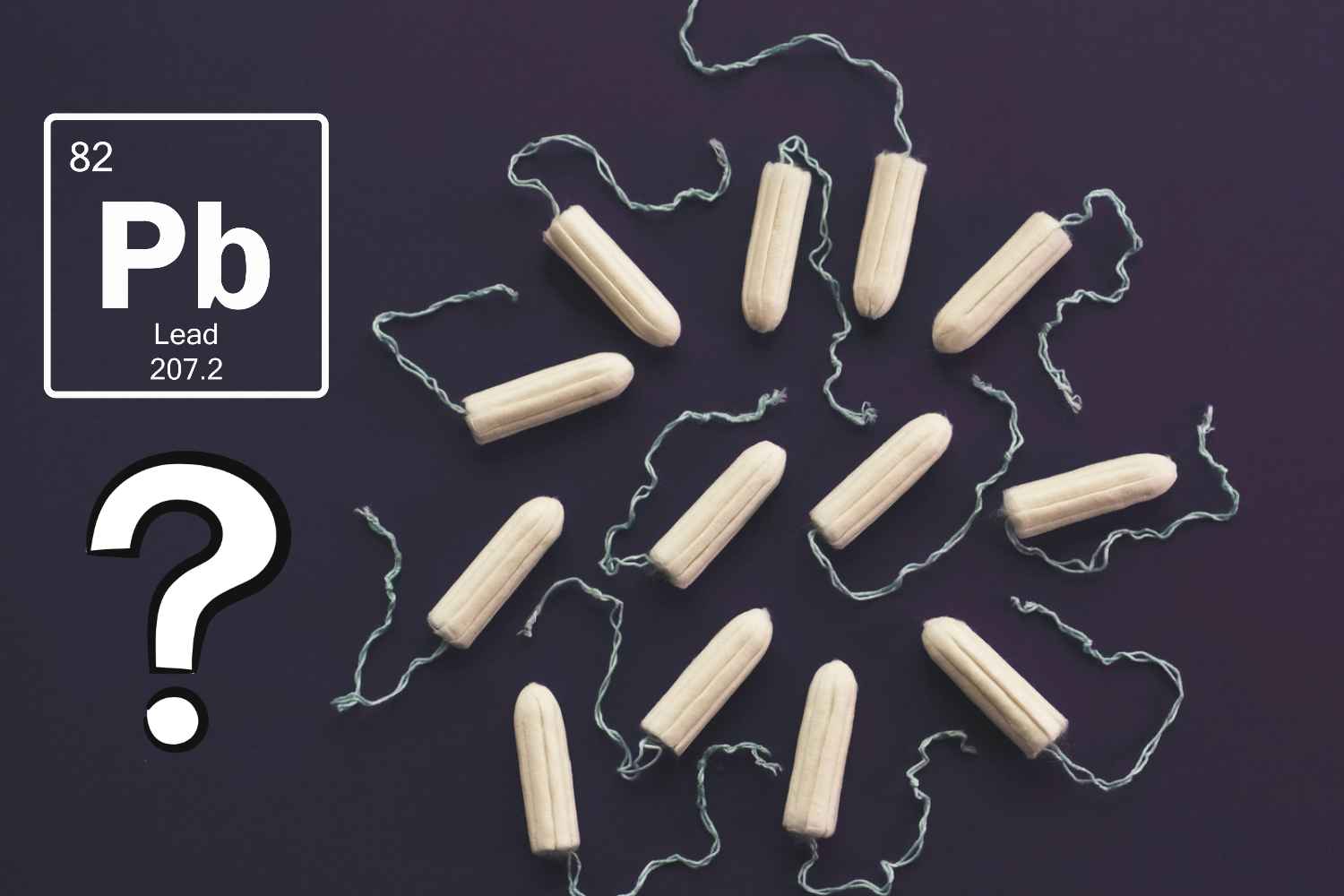
In recent years, the presence of metals in swabs has been studied several times and now the issue has also come before a US court. Some consumers challenge Procter & Gamble for the information provided on its Tampax Pearl and Radiant and ask that the lawsuit may also involve other consumers.
The decision came on September 29, 2026, when federal Judge Gonzalo P. Curiel certified the class action in the case Barton v. The Procter & Gamble Companyin the District Court of Southern California.
However, it is important to immediately clarify that the decision does not mean that the court has determined that Tampax contains dangerous amounts of lead, nor that P&G has violated the law. This is a procedural phase: the judge has authorized people who share the same complaints to pursue the case together, as a collective action.
What consumers object to
The lawsuit concerns some statements on the packaging of Tampax Pearl and Radiant, including references to the absence of perfumes and certain treatments and to the safety of the products.
According to consumers, these indications could lead to considering the swabs free of potentially harmful substances, while the tests cited in the proceedings detected the presence of lead in traces. The question, therefore, is not just the presence of the metal, but also whether the information provided to consumers was sufficient and not misleading.
The judge considered that this issue can be assessed in a common way for the group of consumers concerned. This is precisely what allows the lawsuit to proceed as a class action.
What does “certified class action” mean?
In the United States, a class action can involve a group of people who, according to the prosecution, have suffered a similar problem. Before a lawsuit can proceed in this form, however, the court must verify that certain requirements exist and precisely define who can be part of the class.
In the Tampax case, the judge ruled that interested buyers can pursue certain claims against P&G together, rather than having to file and argue each case separately.
The certified class includes California consumers who purchased Tampax Pearl or Tampax Radiant in California from July 29, 2020 through the date the official notice to the class is sent. However, people who intend to request compensation for damage to their health are excluded from this specific action; in fact, the case mainly concerns requests of an economic nature linked to purchases and possible changes to the information reported on the products.
The claims made by the appellants, which Procter & Gamble denies, will now have to be evaluated further in the proceedings.
The study on metals in swabs
The lawsuit also arose following a study published in 2024 by researchers from the University of California, Berkeley, together with other US universities.
The research analyzed 30 swabs from 14 brands, detecting various metals, including lead, in some products. The researchers had observed differences in concentrations depending on the type of product, the presence or absence of organic certification and the place of purchase.
However, the study also highlighted a fundamental aspect: the presence of metals in the swab material does not automatically allow us to establish how much of these substances is actually released during use and absorbed by the body. For this reason, further studies were needed.
What will happen now
A mandatory conference to discuss a possible settlement between the parties has been scheduled for December 10, 2026, but there is currently no agreement or compensation fund. This also means that, for now, there are no forms to fill out, amounts to request or deadlines to submit an application.
The proceedings could continue towards an agreement or reach the subsequent judicial phases. P&G may also challenge the class certification decision.
The Californian case, among other things, is not isolated. Another case, Otkina v. The Procter & Gamble Company, filed in January 2026 in the United States District Court for the Northern District of Illinois. This proceeding also concerns allegations relating to the presence of lead in Tampax swabs and the information provided to consumers, but is at a different stage and a class similar to the Californian one has not been certified.
