
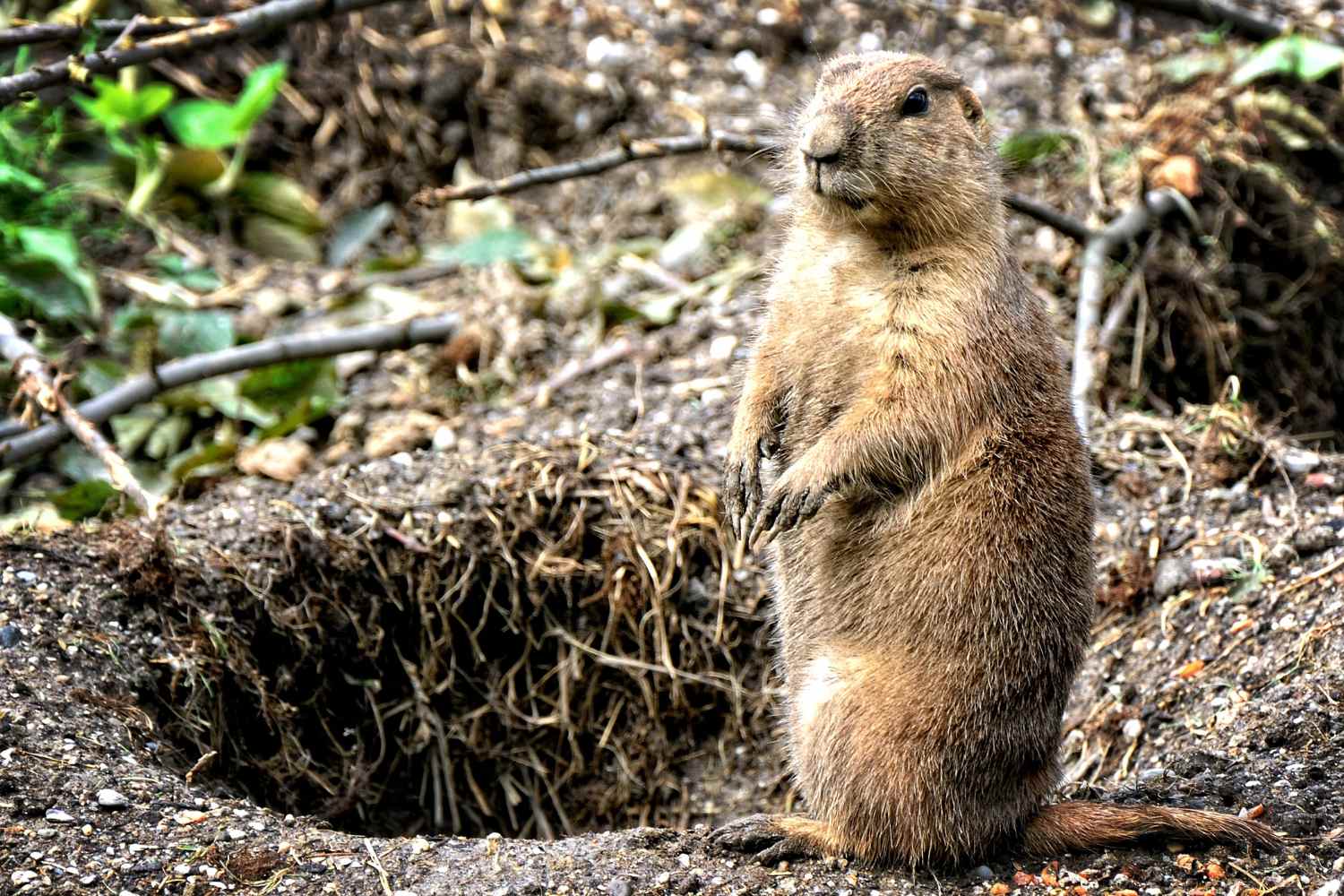
In Livigno, marmots continue to be a much-loved presence among tourists and children, but behind the postcard image lies a real problem. Rodents dig deep burrows and tunnels which, over time, can turn into real chasms, putting the stability of the soil at risk. For this reason, also in view of the Winter Olympics, the Municipality and the Province of Sondrio have decided to return to intervene with a targeted management plan as anticipated by Gianluca Cristini, provincial manager of the Agriculture, Environment, Hunting and Fishing sector, to the local newspaper Province of Sondrio.
The underground tunnels dug by marmots not only affect meadows and pastures, but represent a potential danger for ski infrastructures. In particular, near ski lifts, tunnels can weaken the foundations of the pylons, with direct repercussions on safety. A central theme for Livigno, which will host snowboard and freestyle competitions and which must guarantee high standards in view of major sporting events.
How the marmot plan works
The so-called Marmot Plan, already implemented between 2021 and 2023, became operational again after a new census carried out in 2024, which highlighted an excessive density of specimens. Over the last year, around one hundred marmots have been relocated, through fifteen capture days organized before the start of hibernation. The animals are captured, measured, checked by veterinarians, identified with ear tags or microchips and finally transferred to other valleys in Valtellina, where the species is less present or does not create critical issues.
Unlike what happens in Switzerland, where selective hunting is allowed in autumn, a different path was chosen in Livigno. The objective is to contain proliferation without resorting to culling, respecting ethical and scientific criteria. The marmots are moved to areas considered suitable, maintaining the balance between wildlife protection, agriculture and local economic activities.
The program will not stop here. The three-year plan 2025-2027, approved with the favorable opinion of ISPRA, provides for constant monitoring of the effects of the translocations. The objective is to maintain a density compatible with the needs of the territory, reducing damage to pastures and risks to structures. The hope is that the poor marmots will not pay the price.
You might also be interested in:
