
They pose (not all) to take big selfies with their lips clearly visible. They know everything about social media and how to get followers and there’s trouble if they don’t show off the new line of nail polish they’ve tried every day. Today’s teenagers? Not exactly.
Those who want to appear beautiful at all costs, made up and dressed to the nines are the little girls, the little ones, the ones who should play with constructions. And let’s say that, all around, the fantastic golden world of influencers and entertainment takes a moment to grasp this propensity of theirs and do marketing with it.
And wow, the damage (perhaps) has been done and the phenomenon of marketing for the Alpha Generation which now seems to be already in full development or even “Sephora kids”, which we talked about here: More and more little girls obsessed with beauty products and anti-wrinkle creams (they call them “Sephora kids”), says it well.
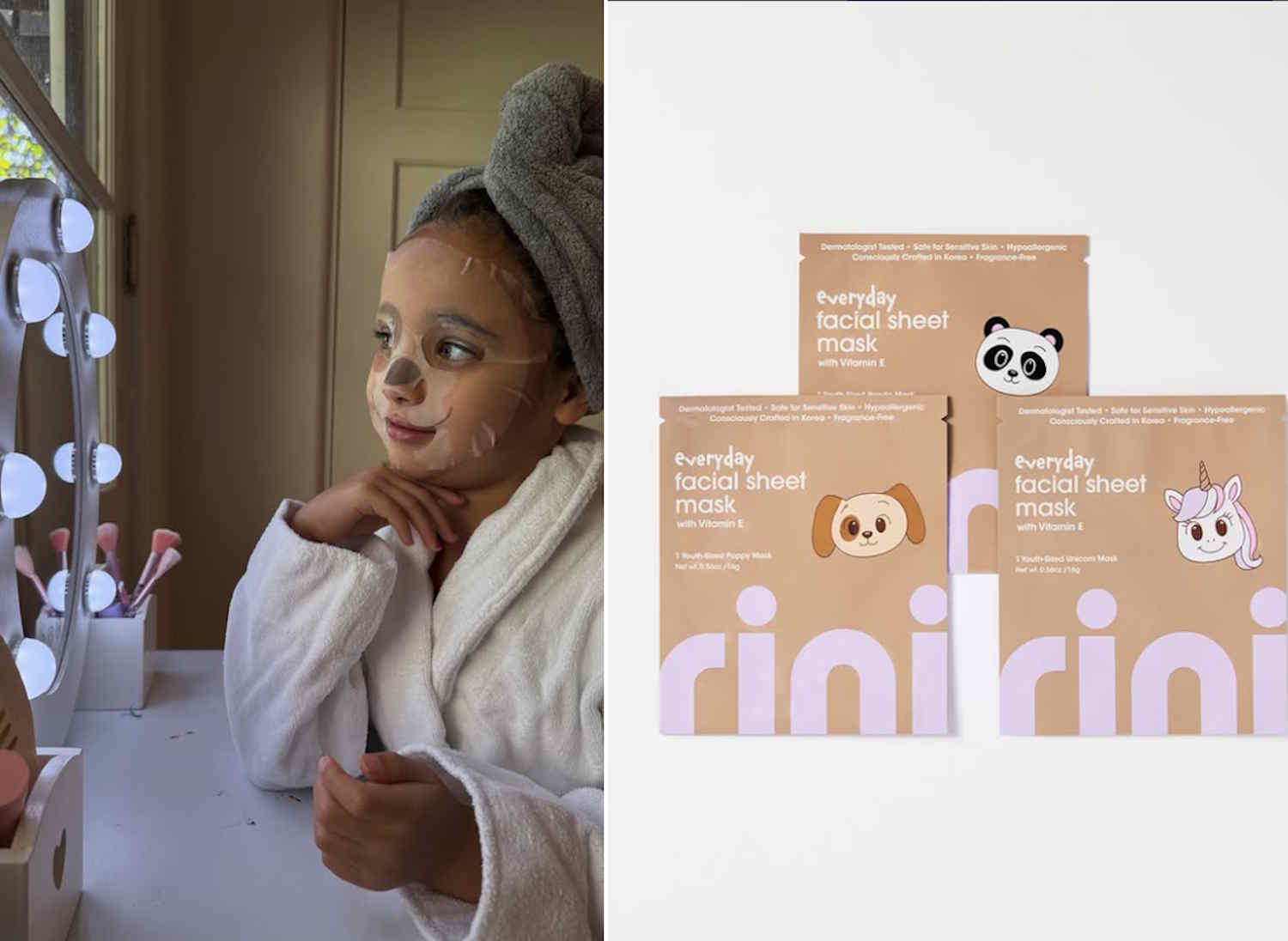
Last only in order of time is the actress Shay Mitchell which launched Rini, a new brand of skin products aimed at girls and boys aged three and above, which draws inspiration from the well-known Korean skin care.
What is it about?
Shay Mitchell, famous for her role in pretty Little Liarsrecently launched a brand of skin products aimed at very young children aged three and over. The line is inspired by Korean skin care and is designed for the little ones to do hydrating and soothing masks, promising to “combine well-being and fun”.
One of those things that, in short, cannot spark widespread debate. The reason? While on the one hand, the idea of promoting personal care habits from an early age might seem positive, with a focus on skin care education and mental and physical well-being (face masks Mitchell they are enriched with vitamin C and B12 and are designed to hydrate and soothe children’s skin), which might seem harmless and even useful in a world where the skin of the little ones is increasingly exposed to pollution and external factors, on the other hand the idea of selling skincare products to very young children raises concerns.
View this post on Instagram
But was it really necessary?
Let’s think above all about the message that these practices could send to children: “that we need to take care of our skin from an early age”. But is it really like that?
This approach could only end up emphasizing the concept of physical perfection at all costs and image-related consumption at an early age, influencing children’s perception of themselves. In an era where beauty and body image are already debated topics for adults, it may not be appropriate to highlight the importance of “perfect skin” even in childhood.
The reactions on social media, where some users harshly criticize the initiative, are understandable: selling skin care to children could seem like an attempt to market beauty to a very young audience, risking pushing the little ones to consider their body as an object to be cared for and improved rather than a means to explore and enjoy the world.
View this post on Instagram
Other similar cases have occurred in the past, especially with the launch of beauty or fashion lines aimed at a very young audience. For example, children’s clothing and make-up lines have often been at the center of controversy. Brands like Justice o Forever 21 have introduced collections aimed at teenagers that reflect trends that are already very popular among adults, fueling the debate on how right it is to apply certain aesthetic standards to such a young age group.
Starting to teach personal care from an early age is certainly positive, but when this translates into aggressive marketing of beauty products, the line between education and social pressure becomes thin.
Childhood should be a time of play and freedom, don’t you think? Far away from aesthetic concerns. The risk is that introducing concepts such as “skin care” from a very early age fuels a consumerist mentality and the search for an ideal external image, rather than cultivating more important values such as self-awareness and self-esteem.
