
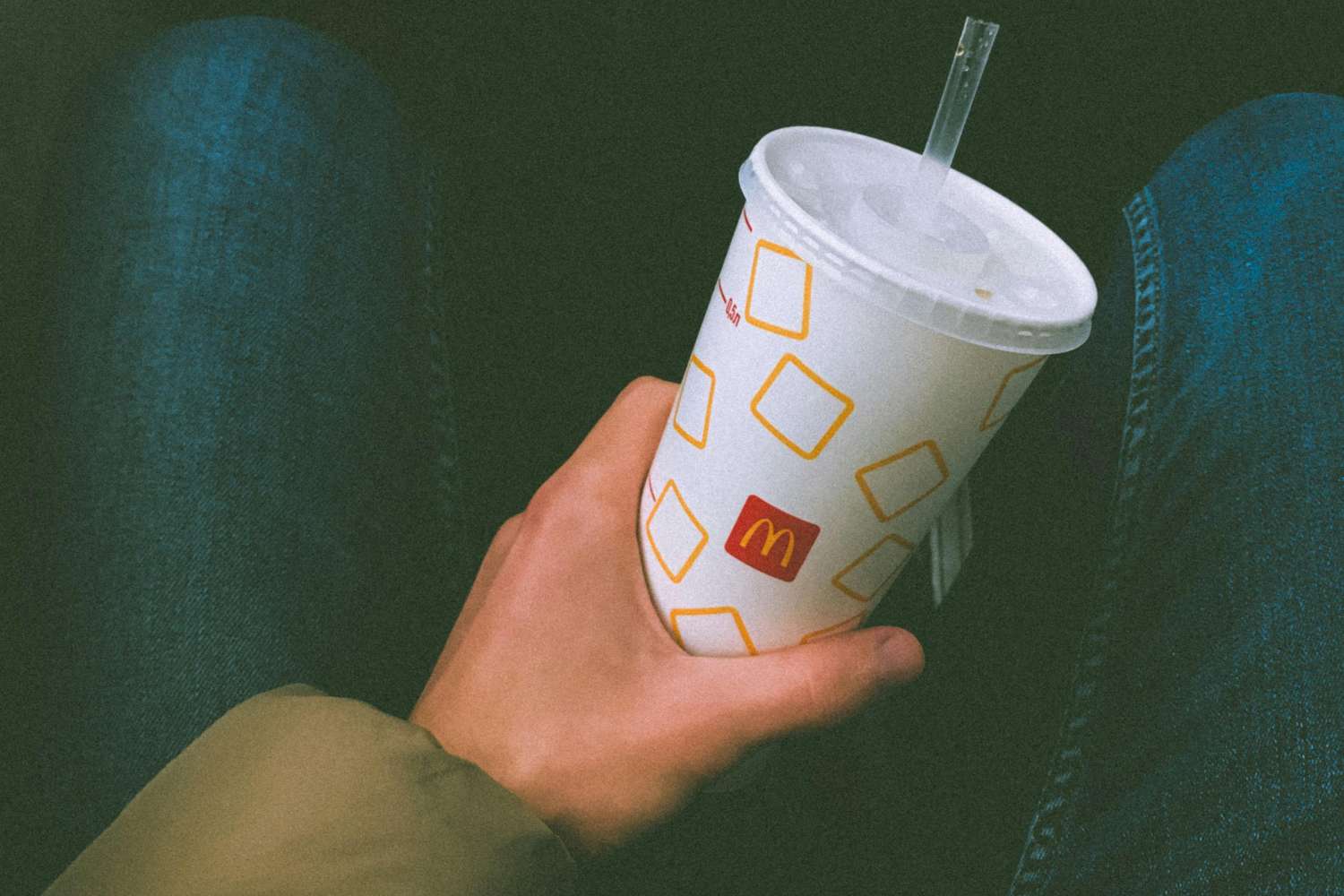
In Japan, paper straws, introduced to reduce the use of single-use plastic, quickly became the subject of customer complaints: too soft, often unusable halfway through the drink and capable of altering the taste. Thus, between one protest and another, comfort began to make its way against the ideal of sustainability.
McDonald’s and Starbucks change strategy
Faced with this discontent, two giants such as McDonald’s Japan and Starbucks Japan have decided to reverse course. McDonald’s announced that starting November 2025, paper straws for cold drinks will be phased out in its approximately 3,000 restaurants and replaced by spouted lids that don’t require a straw.
These new caps, although not made of paper, still wink at the environment. They are in fact made with recycled plastic from PET bottles, a solution designed to reduce the use of petroleum-derived raw materials without sacrificing practicality. Starbucks, for its part, had already abandoned paper a year earlier, choosing biomass-based plastic straws, obtained from materials of plant origin.
From the ecological push to the return to comfort
The push towards alternatives to plastic comes from afar. About 15 years ago, images of turtles and fish trapped in waste went around the world, fueling a global mobilization. In Japan, a 2022 law forced restaurants and shops to submit plans to reduce the use of single-use plastic, favoring solutions such as paper, which is considered more biodegradable. However, the initial enthusiasm clashed with the daily experience of consumers, who favored convenience over the ecological symbol.
Today, companies are looking for a more realistic balance. In addition to the new lids, McDonald’s will also introduce takeaway bags made of 95% vegetable bioplastic, already tested in a Nagasaki store and ready for national distribution. The idea is not to return to traditional plastic, but to focus on sustainable materials that do not penalize the customer experience.
You might also be interested in:
