
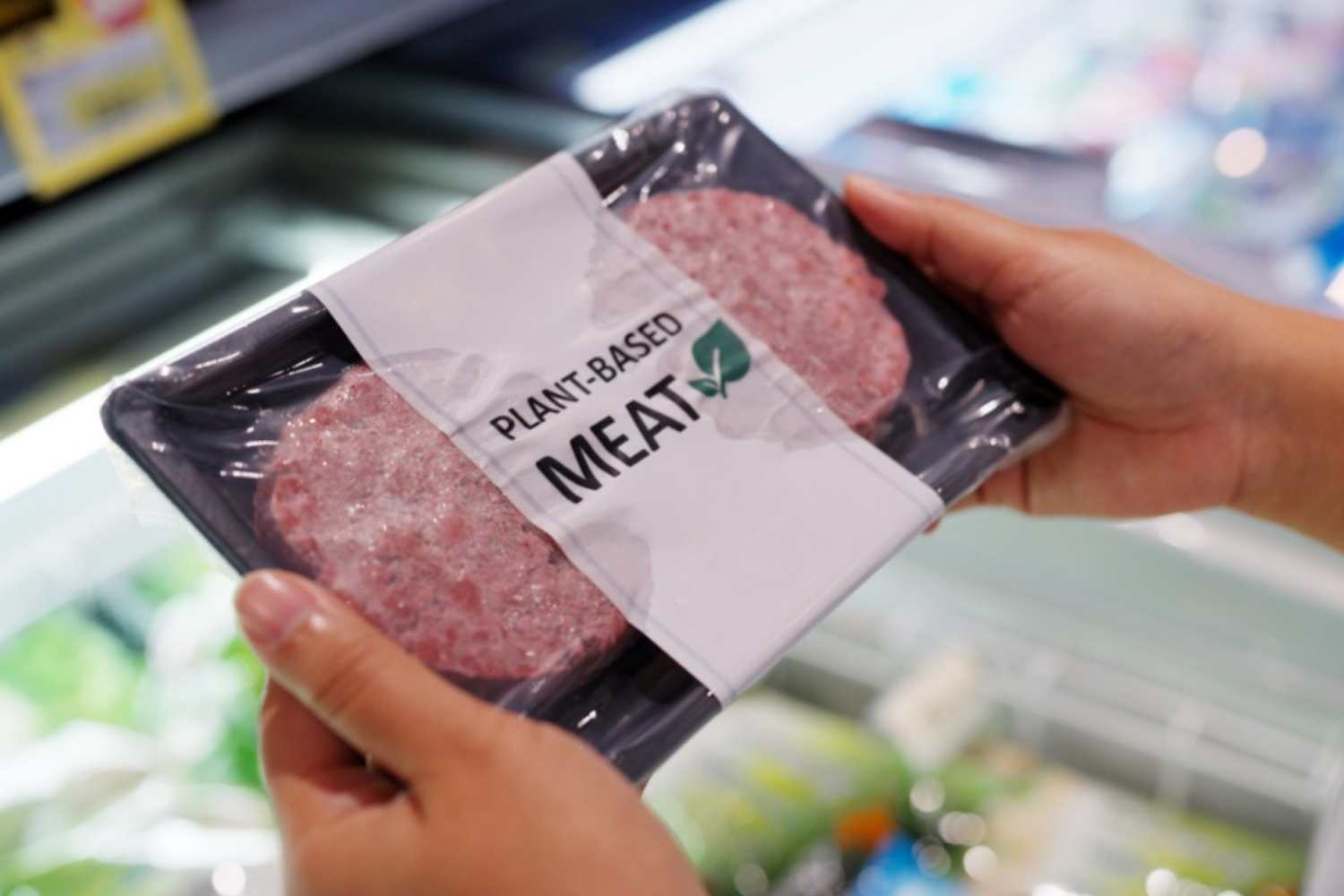
In recent years, more and more European citizens have chosen to reduce or eliminate the consumption of meat and animal derivatives, for ethical, environmental or health reasons. Hand in hand, The vegetable product market has known a significant expansion. This is not just a fashion: the fact that many people are approaching a Plant-Based diet reflects a widespread awareness, greater attention to sustainability, animal welfare and the quality of the daily diet.
In this context of positive evolution, however, there was no lack of attempts to hinder change. Already in 2020, for example, the use of terms traditionally linked to meat – such as “hamburger” or “sausage” – to label vegetable alternatives had been tried to prohibit European level. An initiative, known as Veggie Burger Ban, which was rejected by the European Parliament, precisely because it is considered unjustified and disproportionate.
Also in France such a prohibition has been canceled: the European Court of Justice has clarified that existing regulations already guarantee the necessary transparency for consumers, making further restrictions superfluous.
Now, after a few years, the debate reopens. The European Commission has in fact proposed a new regulation that aims to prohibit the so-called “Meat-Sounding” terms even when referring to clearly vegetable products. A measure that does not seem so much to aim for consumer protection, but rather to slow down the food transition and to protect the interests of the zootechnical industry.
A political favor to the meat lobby
The proposal, which would like to ban names such as “soy steak” or “vegetable bacon”, represents a direct attack on a growing sector, that of the Plant-Based products. A move that, according to associations such as Lav, seems to respond more to the interests of the lobby of meat than to real needs of the market or European citizens.
In June, some zootechnical associations sent a letter to the European commissioners Hansen (food and agriculture) and Várhelyi (animal health and well -being), complaining of an alleged unfair competition deriving from the use of “meat” terms on plant labels. At this pressure, the commission seems to have responded with diligence, proposing a new provision.
Brussels’ proposal appears similar to the Italian law 172/2023, strongly desired by Minister Lollobrigidawhich prohibits cultivated meat and the use of meat denominations for vegetable products. However, a law that is in fact remained “dead letter”: the implementing decrees have never been published, a sign that the Italian government has preferred to focus on a more than concrete symbolic and ideological operation.
Now, the new EU proposal, if approved, would instead have real impacts on the European market.
The data deny the Commission
According to the European consumer organization (2020), 80% of citizens consider the use of terms such as “vegetable burger” or “tofu sausage”, and only 9% say they confuse these products with animal ones. A 2023 study (Smart Protein) confirms that consumers are fully aware of what they buy And they do not feel deceived by the labels of plant foods.
Moreover, those who choose a “tofu steak” or a “seitan hamburger” do not think they put beef meat on the plate. These are aware, sustainable and increasingly popular food choices. Not surprisingly, the European plant substitute market has reached a value of 3.3 billion dollars in 2024 for alternatives to meat, and almost 10 billion if vegetable dairy products (Good Food Institute) also include.
The EU Parliament must reject the proposal
The paradox is evident: while on the one hand the Commission announces new objectives for a PAC more attentive to animal welfare and environmental sustainability, on the other it proposes to put a limit, albeit only at the level of labels, precisely to those products that represent a concrete alternative to an unsustainable food system.
So the Lav commented the EU proposal:
Blocking the use of words such as ‘hamburger’ on plant products is not part of a responsible food strategy. It is only a political favor to support an unhealthy and violent industry that is rightly losing ground and the European Parliament has a duty to reject this proposal without ambiguity.
Sources: European Commission / Lav
