

Have you ever felt stuffy as soon as you entered the house? Or notice that feeling of heavy air that takes your breath away? It could be due to excessive humidity, a problem that afflicts many homes, especially in winter, when we keep the windows closed and humidity remains trapped in the rooms, creating ideal conditions for both the formation of mold and bad odors.
The good news is that there are natural allies capable of helping us, given that some indoor plants work as real living dehumidifiers. They absorb excess water from the air through their leaves and then release it through the process of transpiration, thus regulating humidity levels and improving the quality of the environment.
How plants regulate humidity
The mechanism is simpler than you might imagine. Leaves have tiny openings called stomata, which open to allow the exchange of gases necessary for photosynthesis. During this process, the leaves also capture moisture from the surrounding air, which is particularly efficient when the environment is very humid.
Roots also play an important role: they absorb water from the soil, including that coming from atmospheric condensation, and transport it to the leaves where it is used to fuel photosynthesis. A perfect system that nature has developed over millions of years.
Why excessive humidity is a problem
Before discovering the most suitable plants, it is worth understanding why keeping humidity under control is so important for your health. Too humid air favors the proliferation of mold and dust mites, which can trigger allergies and respiratory problems. Asthmatic people know something about this.
The issue does not only concern breathing, because the skin also suffers from too much humidity, becoming irritated and dry and irritated. Sleep worsens, because the body struggles to regulate the temperature, and the general comfort of the home is negatively affected, given that being in an environment with unbalanced humidity makes everything less pleasant. Experts recommend maintaining humidity between 30 and 50% to ensure well-being and health.
The 5 anti-humidity plants
But let’s get to the point, and here are 5 types of plants that absorb humidity:
Aloe
Known above all for its cosmetic properties, aloe is also an excellent moisture absorber. It requires very little maintenance and adapts well to interior spaces. The only precaution concerns the position: it must receive light indirectly, since the sun’s rays can burn the leaves and compromise their health.
Calathea
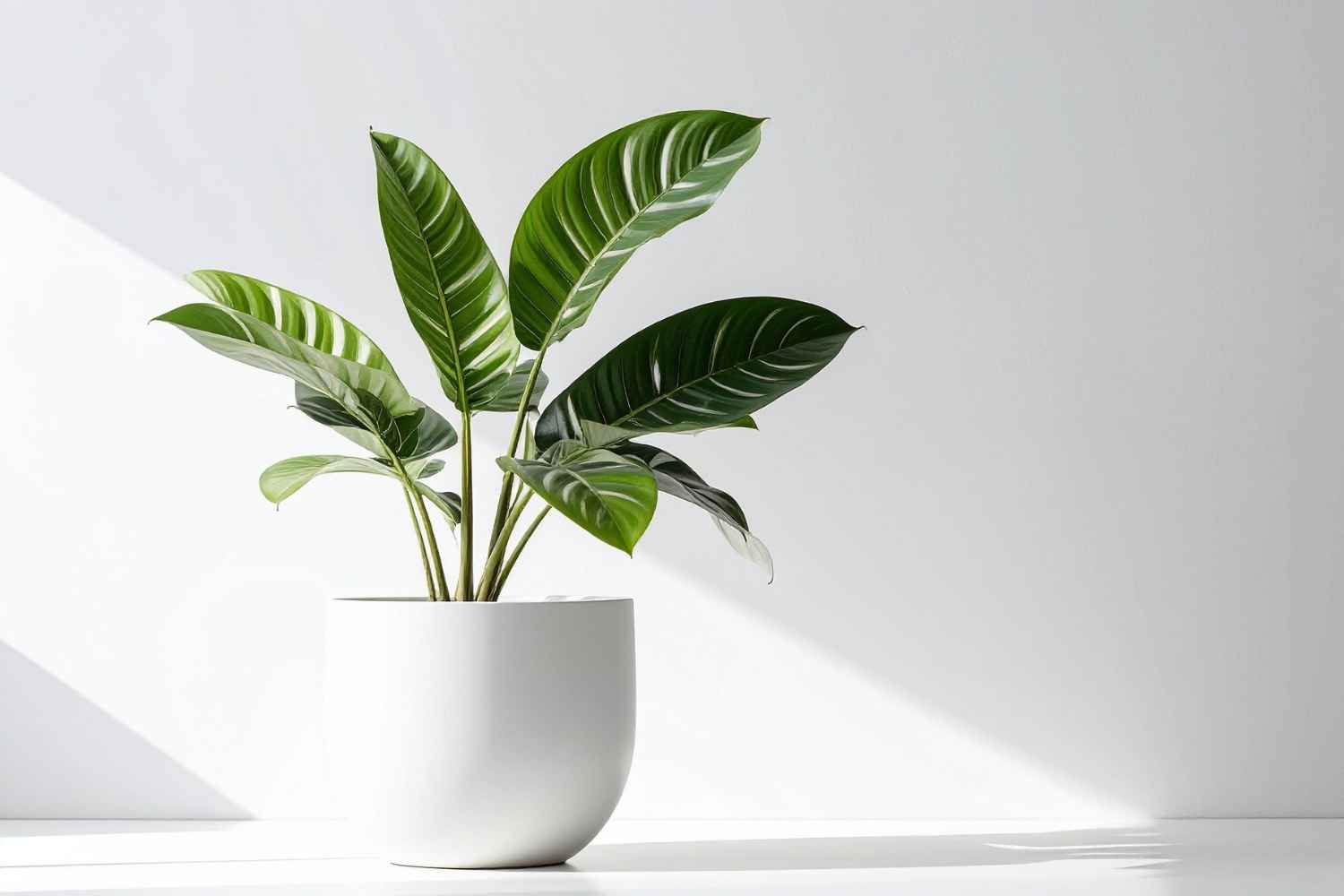
The intense green foliage of the calathea is a feast for the eyes, even if we are talking about a plant that needs a lot of water to stay lush. When the air is dry and the leaves are unable to absorb moisture, they fold inwards: a clear sign that something is wrong. It appreciates bright light, but be careful of direct sun which can fade the leaves. Better to water in moderation: it recovers from a lack of water, but an excess in the soil can be fatal.
Dracaena trifasciata
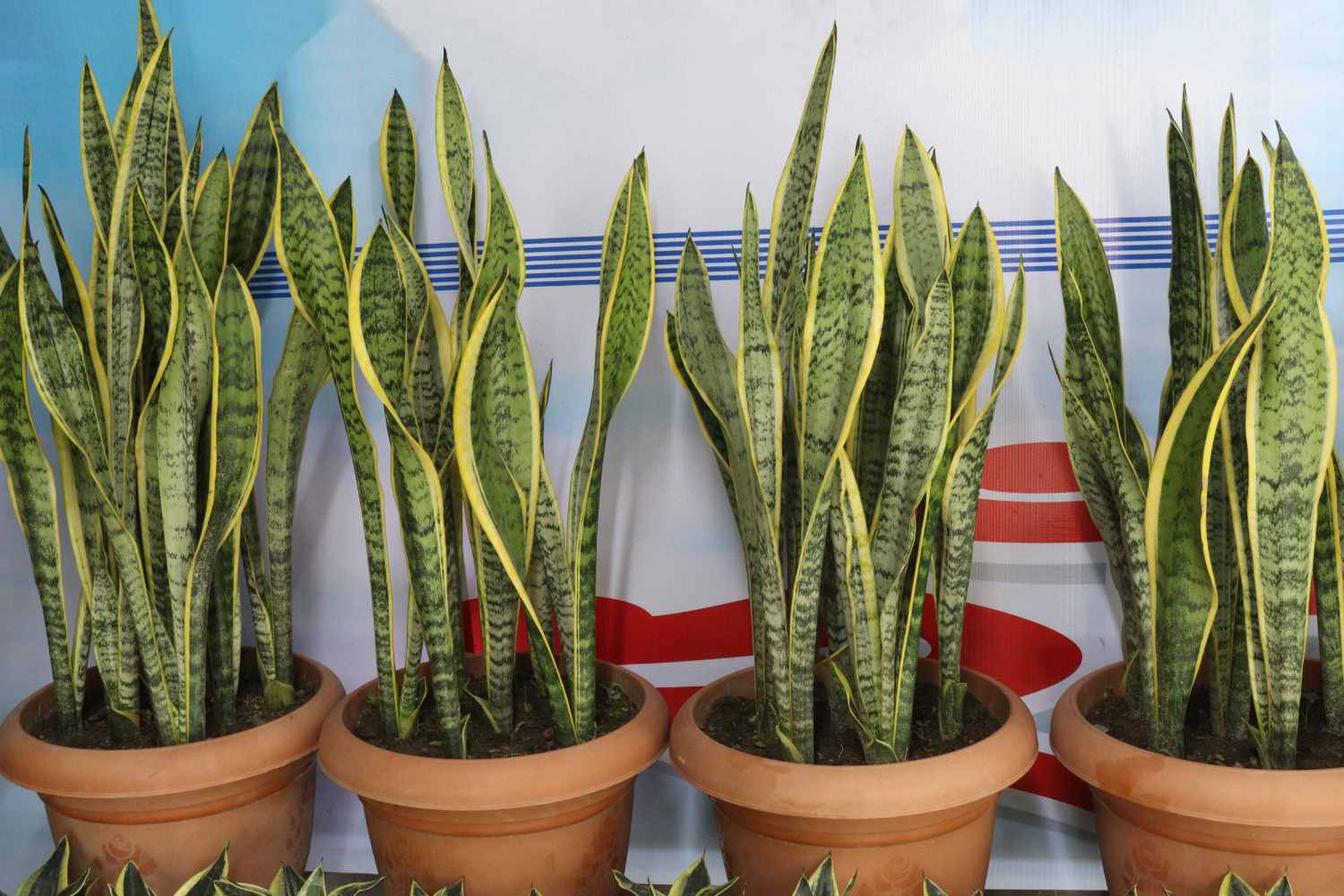
Elegant and with a vertical appearance, the dracena trifasciata (one of the best-known varieties of sansevieria, also known as “mother-in-law’s tongue”) comes from tropical areas and is perfectly at ease in humid environments. In addition to absorbing humidity, it has another advantage: it purifies the air by eliminating traces of domestic pollution, emerging as a great ally for those who live in the city.
Philodendron
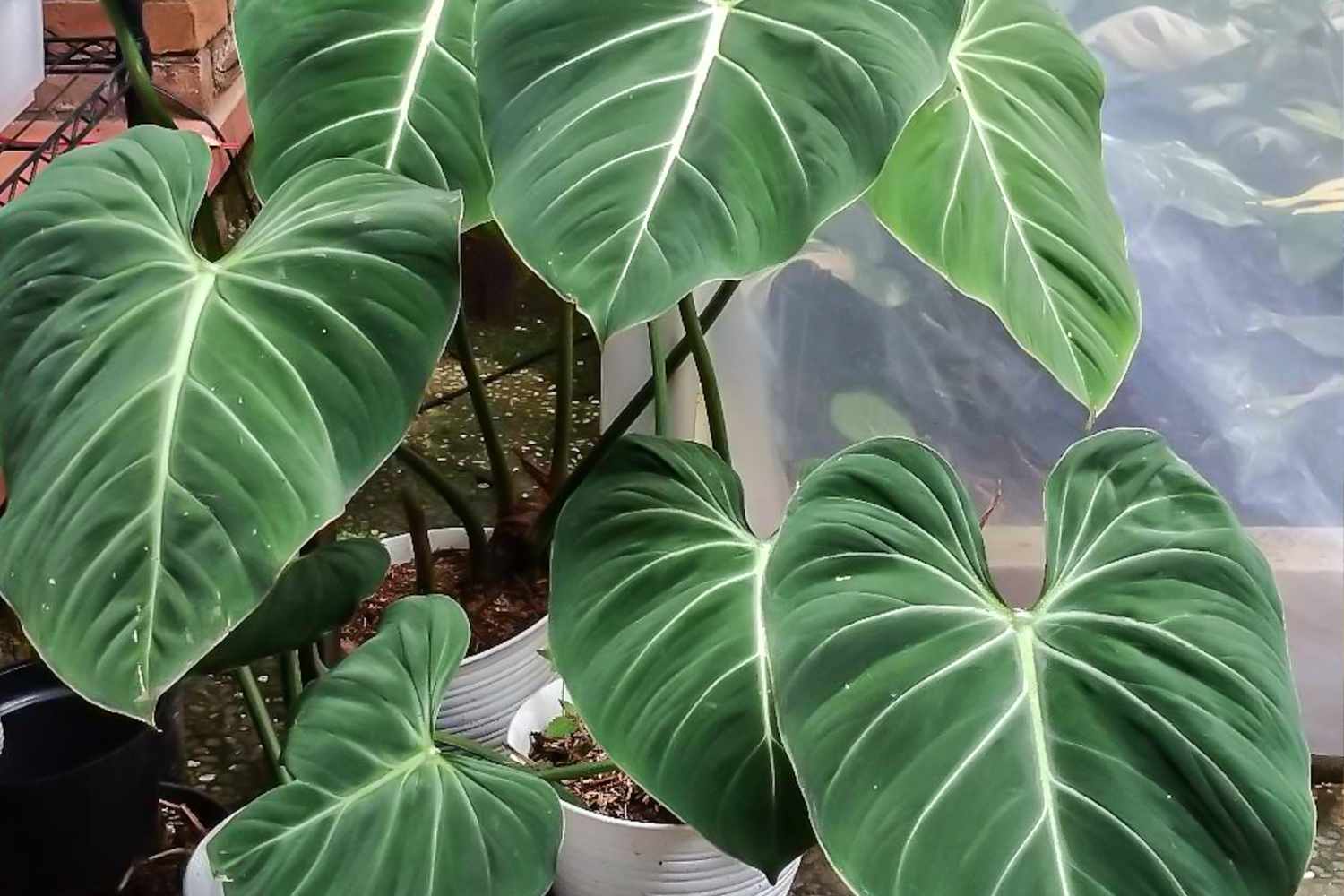
Native to tropical forests, the philodendron loves full light and humid air, from which it draws nourishment. The most interesting feature? It knows how to communicate its state of health: when the leaves change color, it’s time to intervene. A significant advantage, especially for those who don’t have a green thumb.
Peperomia
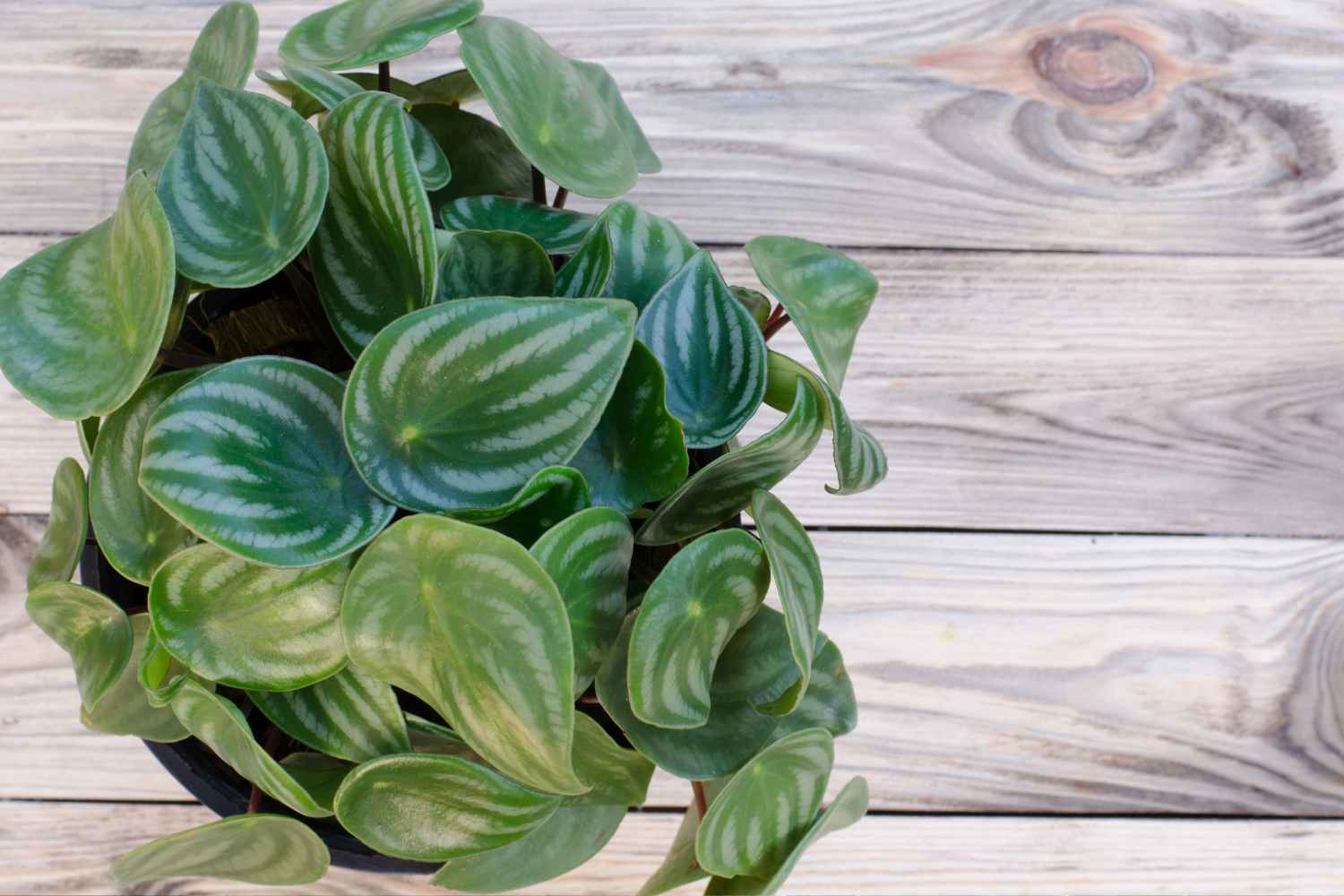
Small but powerful. The fleshy leaves of peperomia have a large surface area that effectively captures moisture from the air. It prefers humidity, but be careful not to overdo it: the ideal is to water in rotation to keep the soil in the right conditions. If you’re looking for a plant that adds a pop of greenery without requiring special care, this is the perfect choice.
A concrete help against mold
If you decide to include these plants in your spaces, you will be able to achieve a double objective: you will significantly improve the aesthetics of your home and, above all, you will be able to create a much more balanced home environment, where air circulates better and humidity is kept under control naturally. Of course, in more serious cases a dehumidifier may be necessary, but for daily management these plants will really make a difference. And what’s more, they will give you a little green which is always good for your mood.
