
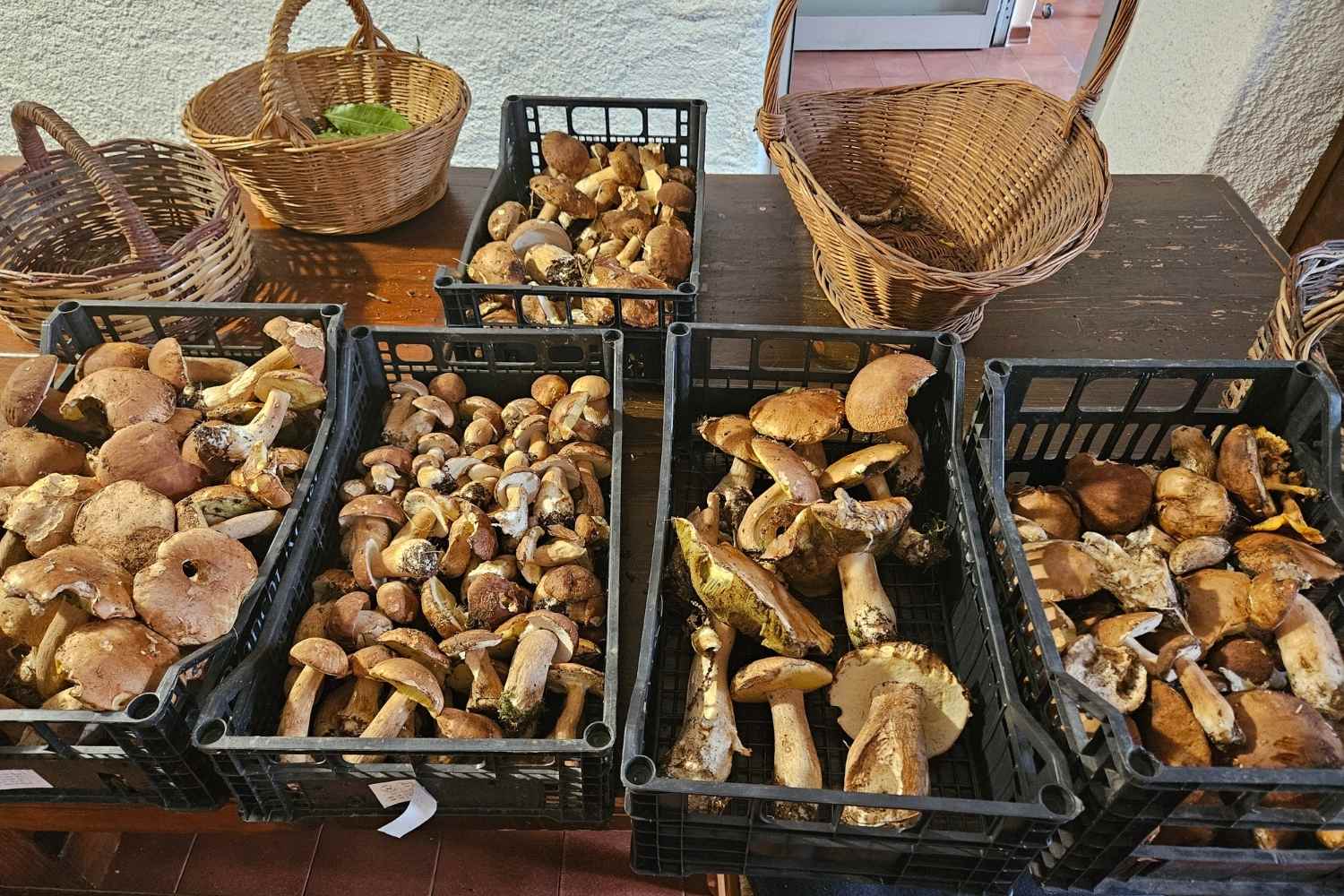
It is an excellent year for mushrooms, in particular for porcini mushrooms, and the woods are populating of fans in search of the most coveted autumn loot. However, many underestimate the risks, which must also be considered and prevented: falls, loss and, no less serious, intoxications due to the collection of toxic species exchanged for edibles.
The chronicles of the last few weeks tell a heavy balance: only in Piedmont, in September, the Alpine Rescue has already carried out 23 interventions to recover dispersed or injured fungaioli, with four victims recorded between Usseglio and the Ossola Val. In Tuscany, however, the increase in intoxications from OMPHALOTUS OLEARIUSthe so -called mushroom of the olive tree, exchanged for the edible “cockerel” (CANTHARELLUS CIBARIUS).
Two sides of the same medal: the dangers of the forest but also the risks of putting something toxic on the plate. To avoid them, especially if you are inexperienced, it is essential to follow some important rules.
Beware of accidents in the mountains
Alpine rescue recalls that many falls and sliding take place because the seekers face the paths with unsuitable shoes. Mountain boots are essential to ensure stability and reduce the risk of accidents, unlike common rubber boots.
Furthermore, never underestimate the orientation: it is useful to bring with you a GPS or a paper map, always report to someone the area where you will go and evaluate your physical conditions well. The search for mushrooms can be tiring, especially for elderly or not very trained people, and can expose sudden malores.
Recognize mushrooms: no improvisations
If the accidents in the mountains worry, no less serious are the cases of intoxication. The mushroom of the olive tree, widespread in this period, continues to deceive the collectors for the similarity with edible species. Symptoms – nausea, vomiting and severe abdominal pain – can arise a few hours after consumption.
An increasingly common mistake is to rely on the apps to recognize mushrooms: just frame the hat and the algorithm returns a name. The problem is that mushrooms are extremely variable organisms: their color and appearance change based on light, humidity and other environmental conditions. Even a small difference can transform a porcino into a toxic impersonator. Relying on a smartphone therefore means exposing itself to a serious risk, which can have dangerous consequences for health.
The safest way remains to study on updated manuals, attend mycological courses and associations and, above all, always have mushrooms control.
It is no coincidence that the ASL Toscana Center has released some recommendations these days, remembering that in 2024 the mycologists of the Inspectorate managed over 30 suspicious cases of intoxication, confirming 22, with peaks in September. To prevent new episodes, free mycological counters are active, where citizens can have the mushrooms collected check before bringing them to the table and also receive advice on conservation and preparation. The Healthcare Company also recalls that many intoxications derive from confusion with toxic species – such as the omphalotus olearius, the “mushroom of the olive tree” – or from bad mushrooms preserved badly.
The golden rules for mushroom seekers
Whether they are hiking in the mountains or collection in the hilly woods, here are the main safety standards to follow:
Going for mushrooms is a passion that combines generations and that allows you to live nature authenticly. But to do it safely, it is necessary to respect for the woods and also for your own health. A basket full of porcini mushrooms can give great satisfaction, but no harvest is worth the risk of an accident or intoxication.
Sources: ASL Toscana Center / ANSA
