
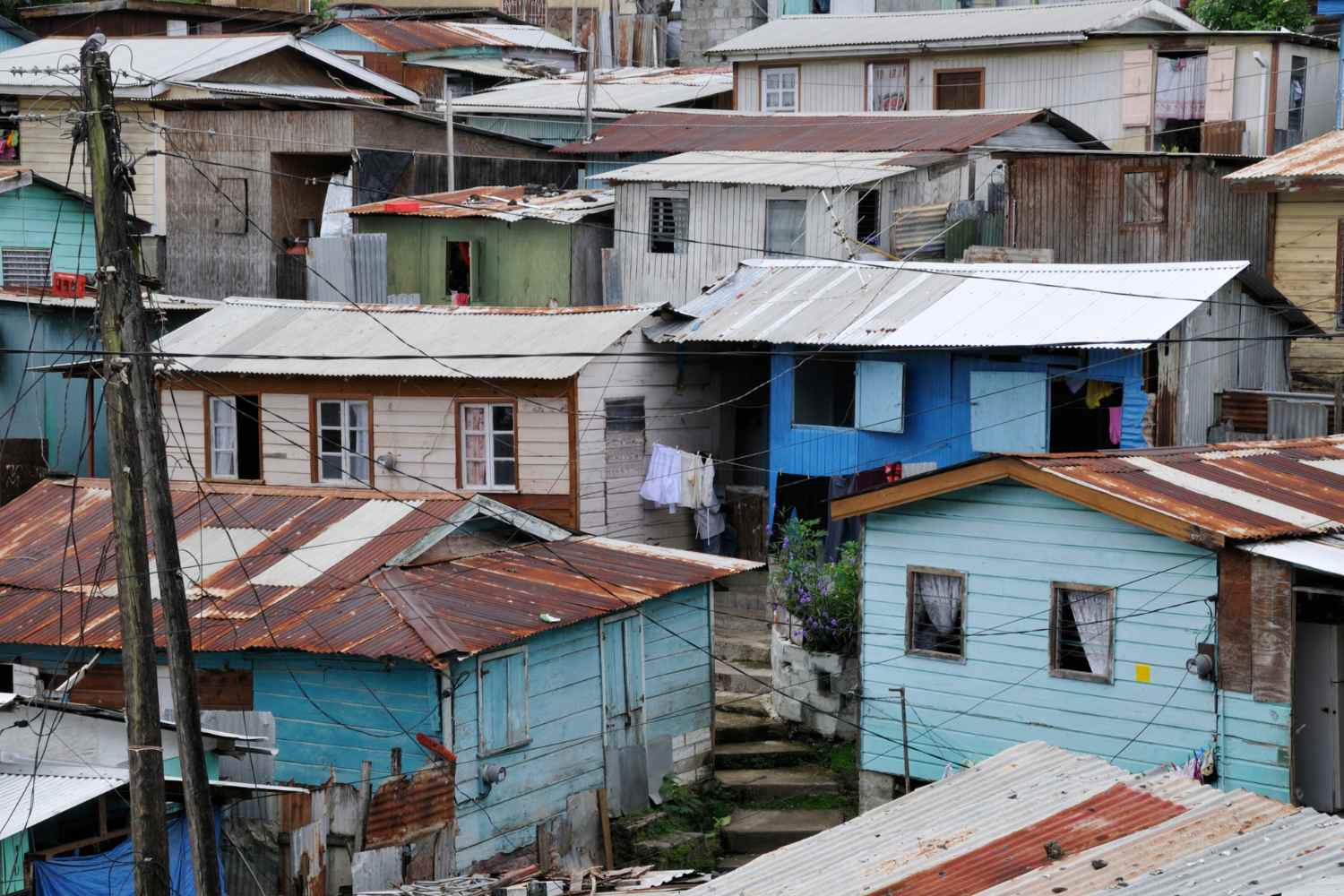
A heat wave is not the same for those who work in an air -conditioned office and for those who live in a attic without thermal insulation. The drought does not have the same weight for those who have unlimited access to drinking water and for those who, in different areas of the country, depend on the trucks for essential needs. Climate change occurs with the same phenomena, but its impacts on people’s lives are determined by a set of factors including income, housing condition and social network.
This is climatic inequality. To understand its mechanisms, we start from two concrete cases: from the flood that hit Romagna in May 2023 and by the social and climatic emergency of the San Berillo district of Catania. In Forlì, the water revealed pre -existing fractures, often ignored, documented on the field by reality such as the volunteer organization for the open city. In Catania, it is the daily crisis that weighs, and and telling it is those who, as neighborhood plots -the first community cooperative in Sicily born in an urban context -, builds answers where the institutions are absent.
Their analysis, entrusted to the voices of the activists Annachiara Zabotto and Cristina Cozzoli in Forlì and Luca Aiello in Catania, are not opinions, but the report of a widespread work, conducted while the emergency – whether it is a sudden induction or a chronic social crisis – is in full swing.
Geographies of abandonment: where the climatic crisis burns more
The San Berillo district of Catania is the emblem of institutional marginality. Once upon a time, red light neighborhood in the 1960s was the subject of an “overcome” operation to make room for a “modern” city of banks and insurance companies. The operation, never completed, left an area of urban voids and dilapidated buildings, now inhabited by a mixed community of Catania, sex workers and migrants.
You must imagine it as a district of the historic center with problems related to the total absence of low threshold public services,
Luca Aiello of neighborhood plots tells.
This abandonment makes the climatic crisis even heavier. An anecdote above all: a fire broken down into an abandoned palace full of garbage, an event made even more likely and dangerous by the summer heat waves and by the drought that transform the waste into fuel, has required 48 hours to be tamed. The waste, poured into the street during the operation, remained there for 67 days before the municipality intervened, despite complaints and pecs.
The problems of the neighborhood are seen as Serie B problems. The institutional response is truly absent
Chiosa Luca.
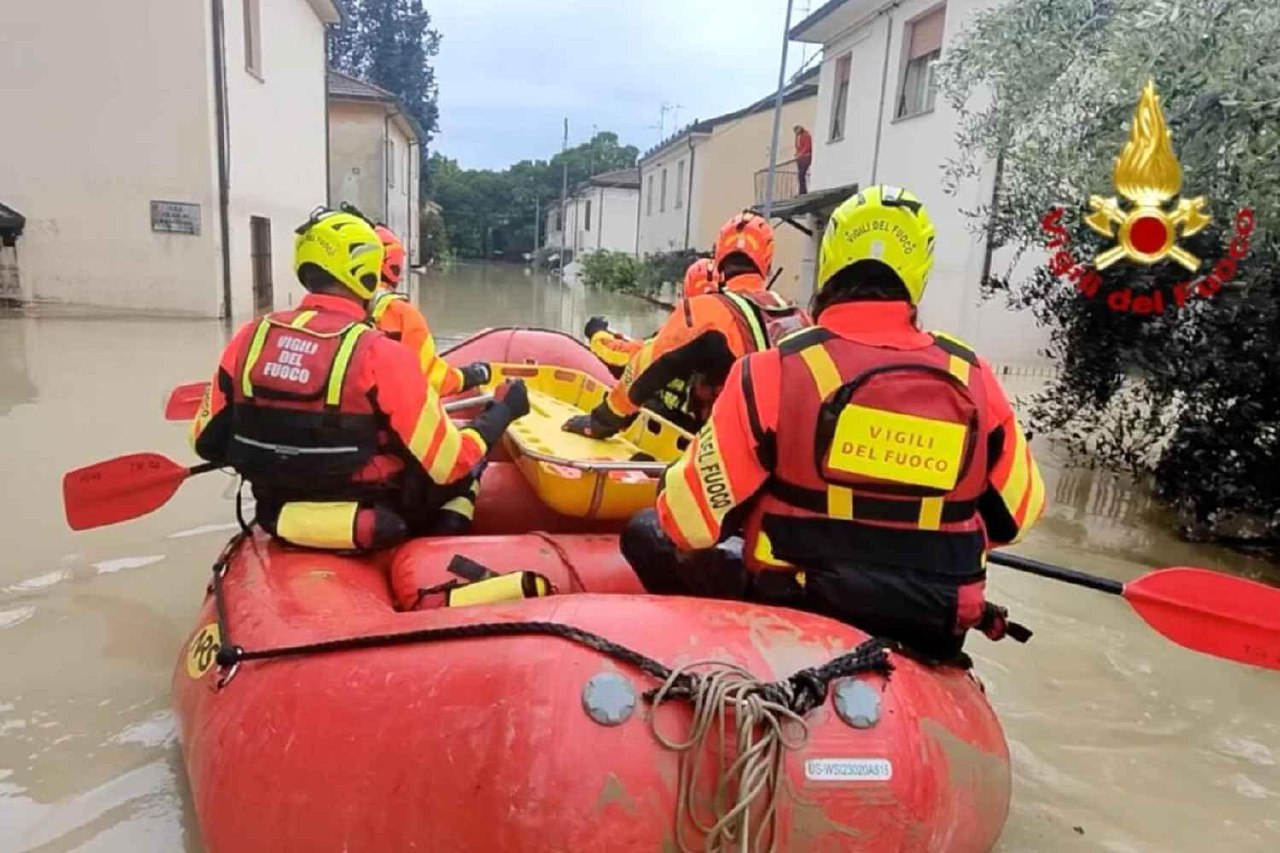
In Forlì, the 2023 flood made similar fractures emerge. As in Catania, neglect has amplified the effects of the climatic crisis, also in Romagna the flood has affected more hard where the social fabric was already frayed and the institutions less present. “As in any emergency, the most fragile people are struggling,” explain Annachiara Zabotto and Cristina Cozzoli of Forlì open city. Their experience on the field coincides with the data of the Actonoid research “involvement of communities in conditions of fragility and marginality in policies for adaptation to climate change”: the elderly, low -income people, migrants, disabled and residents of public housing are among the most exposed groups. The after-the-rash was marked by concrete distribution injustices: the tenants excluded from subsidies, a bureaucracy that forced people to pay the expertise from their own pocket, and a network of private aid which, inevitably, left behind who was socially more isolated.
View this post on Instagram
Answers from below: Presìdi of Community Resilience
Where the institutions are missing, resilience blooms from below. In Catania, neighborhood plots has become a physical garrison, a “neighborhood concierge”. Their location is a point of reference for climatic emergencies.
The migrant communities that live on the street come to us to take water, to wash, to shelter from the heat, says Luca.
Years ago, through a co -co -coeling laboratory with the inhabitants, they built coverage on a road to create a permanent shadow area. During the alerts for winter floods, the location remains open to offer a safe shelter to those who do not have it.
The action of neighborhood plots, however, goes beyond the emergency, building autonomy paths. Their social housing, which hosts 15 people, is not a simple dormitory but a one -year project in which guests are supported in the search for a job and stability. But here emerges a cruel paradox, another form of injustice.
There are two Nigerian boys with an indefinite contract for six months, says Aiello, have all the requirements to leave our project, but they do not find a home because they have black skin.
Although they can pay, systemic racism blocks them, demonstrating how social vulnerabilities are added, trapping people in limbo.
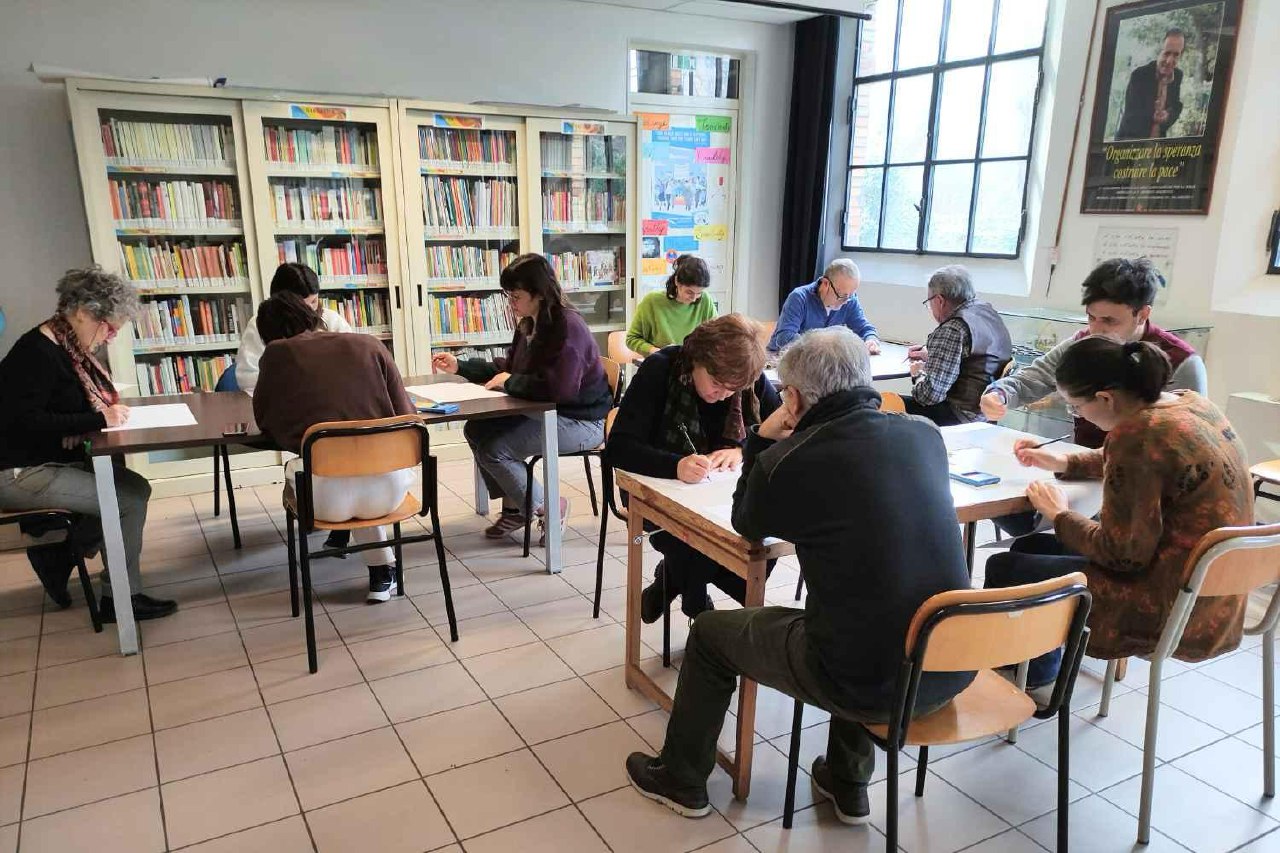
In Forlì, the association immediately acted to map home needs by house, creating a support network based on word of mouth. But their work goes beyond the emergency. With the Col.Mate project. (Community in struggle for environmental memory and the territory), supported by Actionaid, transform the trauma into awareness. “We have noticed that, since that time, every weather alert has become an anxiety for many,” they say. The psychological impact is real: the Actonoid report highlights how older people have been among the most affected by post-high disorders. Col.mate. Create listening spaces and brings the testimonies in the squares, not to commemorate, but to transform memory into political action.
Union makes the strength: the role of Actionaid and the networks
These local actions become stronger and more sustainable thanks to the networks, a crucial element emerged strongly from research. Neighborhood plots collaborates with about fifteen local and national organizations. Forlì open city has moved thanks to the solidarity of hundreds of volunteers. In this ecosystem, the role of a partner like Actionaid is crucial.
For neighborhood plots, the Actonoid civic monitoring school has provided decisive tools. “It allowed us to form on access to the documents and to start actions to dialogue with the institutions when the PNRR construction sites were about to leave,” explains Luca. This made it possible to mitigate the impact of gentrification on the inhabitants, such as sex workers who risked no longer being able to work.
But the support goes beyond training.
Having an organization that not only knows you but fully understands you is not obvious – underlines Luca – there is a strong, informal, mutual exchange relationship. This allows a small voice like ours to be amplified nationally.
From the story to political requests
The stories of Forlì and Catania are not anecdotes, but the living proof of the climatic inequalities documented by the research. They demonstrate how vulnerability is not only economic, but also information (not everyone has access to alerts) and relational (who is alone is more exposed).
Requests that emerge from these territories are clear: real and not only formal comparison spaces are needed, specific attention to areas subject to “institutional marginality” and political that indissolubly bind environmental justice justice. The work of these associations, supported by Actionid, indicates the road: the real ecological transition is not done with bonuses that exclude the most fragile people, but building resilient communities, giving power to those who have not and ensuring that, in the storm, nobody is left behind.
