

Insomnia affects millions of Italians. Around one in four adults has difficulty falling asleep, wakes up during the night or feels poorly rested in the morning. Faced with this problem, many people turn to natural supplements, hoping to avoid traditional medications. Three names stand out among the best sellers: we are talking about magnesium, tryptophan and valerian. But do they really work? And which one to choose?
Magnesium
Magnesium is an essential mineral that participates in over 300 enzymatic reactions in the human body. Its action on sleep passes through the nervous system: the mineral acts as an agonist of GABA, the main inhibitory neurotransmitter of the brain, and at the same time counteracts the excitatory effect of glutamate. The result is an overall relaxing effect.
Several studies have examined the relationship between magnesium and sleep quality. Research published in the Journal of Research in Medical Sciences showed that magnesium supplementation in older people with insomnia increased sleep time, rest efficiency and melatonin levels. Another more recent study, published in the journal Nature and Science of Sleep, found that 250 mg of magnesium bisglycinate reduced the severity of insomnia in adults with sleep disorders, although with a modest effect.
Science suggests that magnesium may be particularly beneficial for those with a documented deficiency of the mineral. The elderly, menopausal women and people under intense stress are at risk. The most studied dosage is between 200 and 500 mg per day, to be taken preferably in the evening. The most bioavailable forms include magnesium bisglycinate and magnesium L-threonate.
Tryptophan
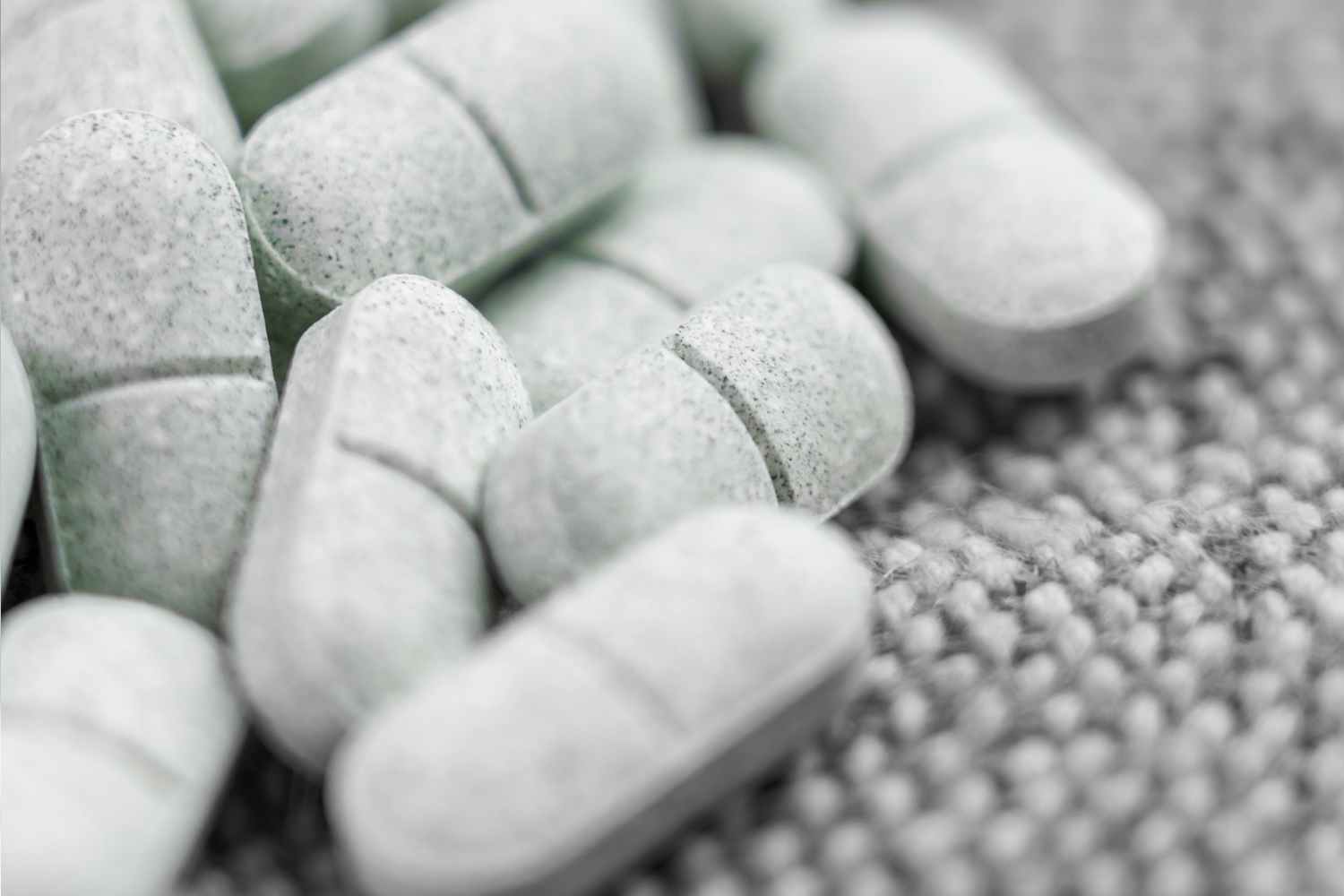
Tryptophan is an essential amino acid that the body cannot produce on its own. Once taken, it is converted into serotonin, the good mood neurotransmitter, which in turn transforms into melatonin, the hormone that regulates the sleep-wake cycle.
A meta-analysis published in Nutrition Reviews examined 18 studies on the use of tryptophan to improve sleep. The results indicate that doses equal to or greater than 1 gram reduce the time spent awake after falling asleep. Other studies have confirmed that tryptophan can reduce sleep latency, the time it takes to fall asleep, especially in people with mild insomnia.
Commonly used dosages range from 1 to 2 grams to combat insomnia, to be taken about an hour before bedtime. Unlike some hypnotic drugs, tryptophan is not addictive and does not produce serious side effects. The most common side effects are mild: drowsiness, nausea and headache in some people.
We must remember that tryptophan should not be combined with SSRI antidepressant drugs without medical consultation, to avoid the risk of serotonin syndrome. It is not recommended during pregnancy and breastfeeding.
Valerian

Valeriana officinalis is a plant used for centuries as a natural sedative. Its roots contain valepotriates and valerenic acids, compounds that are believed to act on the brain’s GABA receptors, producing a calming effect.
The scientific evidence on valerian is more ambiguous than on magnesium and tryptophan. A systematic review published in the American Journal of Medicine analyzed 16 studies involving a total of 1,093 patients. The results showed a subjective improvement in sleep quality, but with evidence of publication bias. Subsequent studies have confirmed that valerian can produce a perceived improvement in sleep, although objective measurements rarely show relevant benefits.
A very important aspect concerns the timing: valerian seems to require continued use for 2-4 weeks before showing any effects. The typical dosage varies between 400 and 900 mg of dry extract, to be taken 30 minutes-2 hours before bedtime.
Side effects are generally mild and similar to placebo. Rarely, headaches, gastric discomfort and, paradoxically, insomnia in some individuals may occur. Valerian is not recommended during pregnancy, breastfeeding and should be avoided in association with benzodiazepines or alcohol.
Which one to choose?
The choice depends on individual characteristics:
In all cases, supplements cannot replace good sleep hygiene: regular hours, adequate environment and reduction of exposure to bright screens before sleeping remain the fundamental pillars. Remember that before taking any supplement, you should always consult your doctor, so avoid personal initiatives.
