
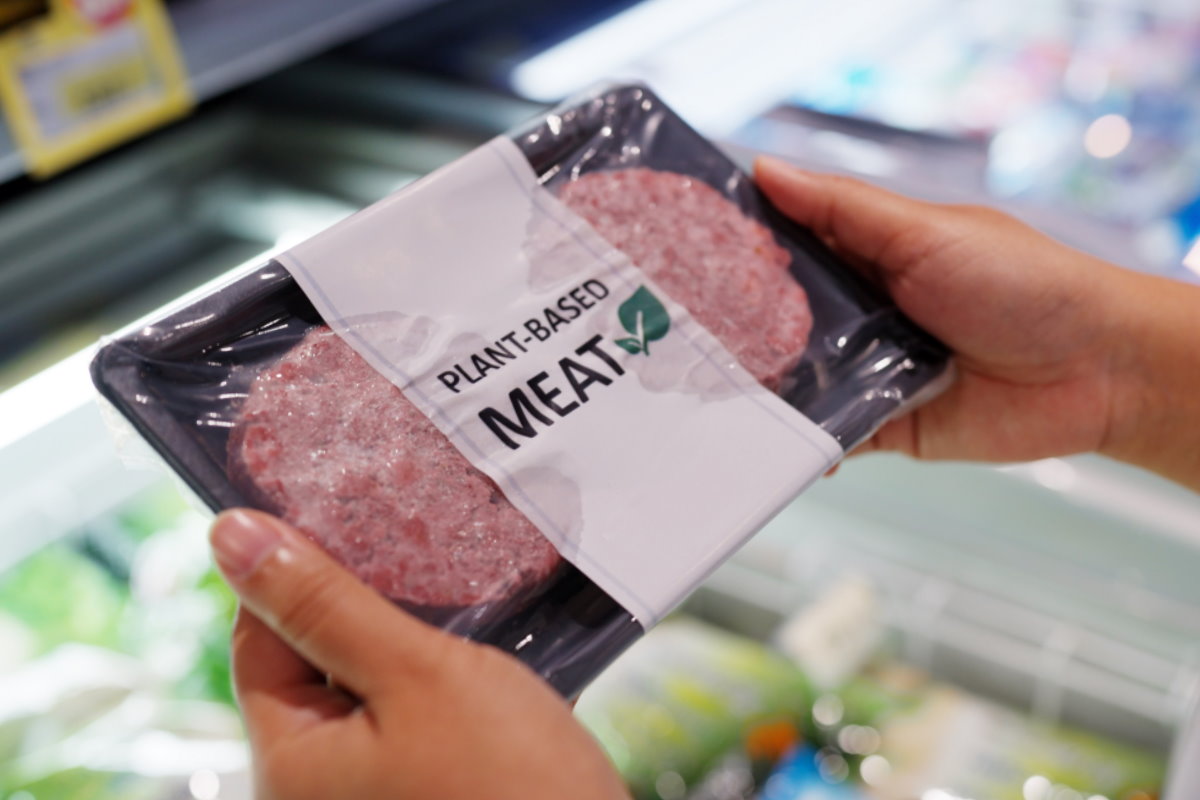
Despite the initial boom, the plant meat market is slowing down, pushing companies such as Nestlé and Unilever to review investment strategies
In recent years, the market of vegetable alternatives has seen a real boom, with a very vast increase in the products available in supermarkets, including the famous and much discussed alternatives to meat. Even large companies such as Unilever and Nestlé They launched themselves in this sector, but now they seem to want to go back.
The two companies, which have the brands respectively The vegetarian butcher And Garden Gourmet, They began to review their strategy in the field of vegetable alternatives to meat. This change is due to the difficulty of obtaining significant economic returns from a market that has not evolved as expected and hoped initially.
Unilever is looking for buyers for The Vegetarian Butcher
Since 2018, The Vegetarian Butcher was part of the Unilever strategy to conquer the vegetable protein market, following in the footsteps of pioneers such as Beyond Meat and Impossible Foods. The results, however, were disappointing. The brand generates “only” about 50 million euros of annual sales and continues to record losses.
For this reason, Unilever is looking for buyers But analysts say that, given the brand’s performance, it will be difficult to get an attractive price.
According to experts in the sector, the market of vegetable alternatives to meat is undergoing a contraction in the USA. The growing preference of consumers for fresh and less transformed foods has prompted several companies to re -evaluate their position on the market. In addition, the vegetable meat was recently labeled by Robert F. Kennedy Jr., Secretary of Health of the United States, such as “Ultra-Lavored”, a term that fueled the discredit against these products.
What about Nestlé?
Nestlé, like Unilever, is reviewing its strategy in the vegetable alternative sector. The new CEO, Laurent Freixe, said that the company has concentrated too much on vegetable meat, however recognizing that the market was not so flourishing as expected.
Nestlé now seems to want to reduce its exposure to this segment, probably to focus on more profitable brands and with a higher growth potential.
Why the vegetable meat has not had the hoped for success
Inflation and growing cost of living have had a significant impact on consumption, making plant meat a less accessible alternative for many people. Despite the marketing that promoted it as a more sustainable choice, the high prices limited the market to a niche of consumers willing to spend on a product perceived as more ethical.
Nestlé and Unilever, initially convinced that their brands could emerge as a leader in an expanding sector, now they find themselves having to deal with the reality of a less promising market than estimated.
Despite this braking, however, there are still companies that could continue to push the market of vegetable alternatives, although with a different focus. While the big names withdraw from a sector too competitive and with uncertain gain margins, smaller realities or with an innovative approach could still be able to keep their slice of the market.
