
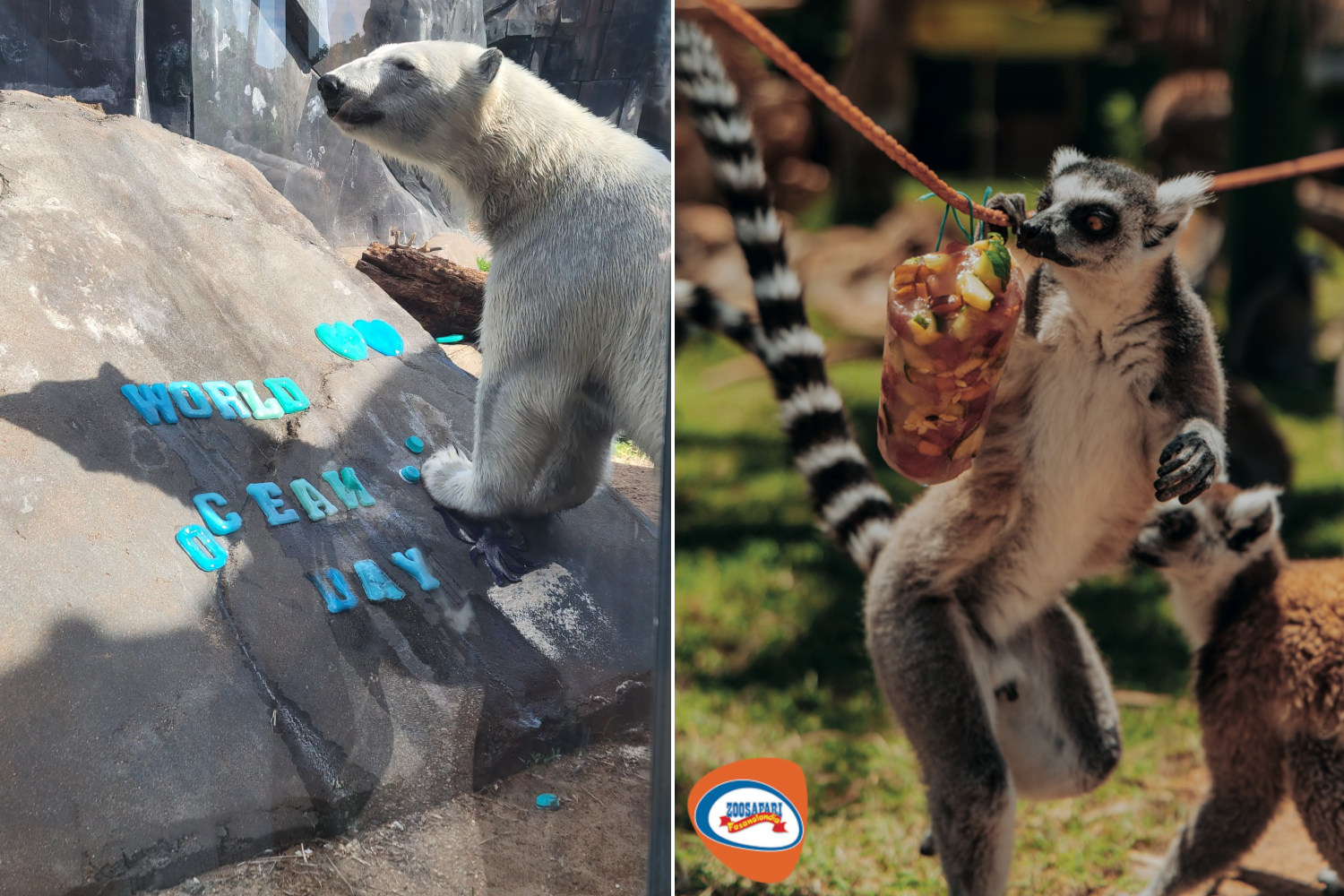
A block of artificial ice squeezed between the paws of a bear in a pool of water in a zoo is the visual emblem of a crisis that is no longer sustainable. During the summer, these structures do nothing but spread shots of keepers intent on distributing frozen fruit, glacial cakes and ice creams to lemurs and large mammals, presenting them as “sweet” and fun photos.
Images that immediately go viral, touching the general public, but which in reality tell much more: the profound discomfort that animals experience outside their habitats when temperatures, as happens more and more often, become scorching hot. Structures created historically as centers for scientific dissemination and genetic protection have now become real infernal traps for the species they host.
View this post on Instagram
View this post on Instagram
The stories of Marissa, Dea and the sad fate of Riù
This is a problem that affects zoos all over the world, including unfortunately those present in our territory. The harshest criticism periodically hits the Fasano safari zoo in Puglia. Here two female polar bears, Marissa and Dea, live secluded in a moat: Marissa has been in the structure for over thirty years, while her daughter Dea, born in 2012, has never known a different environment.
The stories of Marissa, Dea and Riù have become a symbol of the debate on the role of zoos and the welfare of wild animals in captivity. In Fasano, Puglia, the presence of polar bears has been at the center of discussions for years between the park management, which defends breeding conditions, and animal rights associations, which criticize the permanence of an arctic species in an environment far from its natural habitat.
The story of the gorilla Riù also aroused strong emotion: he arrived at the ZooSafari in 1994 after a past in the circus, he remained only after the death of his companion Pedro in 2008. From that moment the gorilla remained in total isolation in Fasano for 16 years, relieved only by a television that broadcast images of forests and his death, which occurred in 2024, was announced by the structure with a six-month delay only following pressure from users on the channels social.
Kallu’s birthday with ice cake
In the international zoo circuit, celebrations for special anniversaries or world days dedicated to the environment have turned into real media events. Another emblematic example concerns the polar bear Kallu, for whom the Saint Louis Zoo staff made an ice cake decorated with jelly crabs to celebrate World Oceans Day.
A celebration that may seem curious, but in reality these scenes from the point of view of animal welfare reveal a profound desolation. Administering large frozen blocks close to the concrete only serves to temporarily mask the summer heat, spectacularizing a need for biological survival within an enclosure that will never be able to replicate the real spaces of the Arctic ice floe.
The impossibility of return and the condemnation of forced adaptation
Animals born within zoological circles face perpetual condemnation, as reintroduction into their home territories is considered impractical. The specimens adapt as best they can to the structural deficiencies of the cages, facing long periods of stress that put their psychophysical balance at risk. The artificial pools of water and the colored icicles are therefore not scenes of entertainment, but the visual testimony of a summer torture that is repeated relentlessly every year.
