
THE Pfasalso known as “Forever Chemicals “that is, eternal pollutants, they are now everywhere: in drinking water, in food, in cosmetics, in the clothes and even in the air we breathe. It is therefore not surprising that scientific research is also intensifying to study their diffusion and health effects.
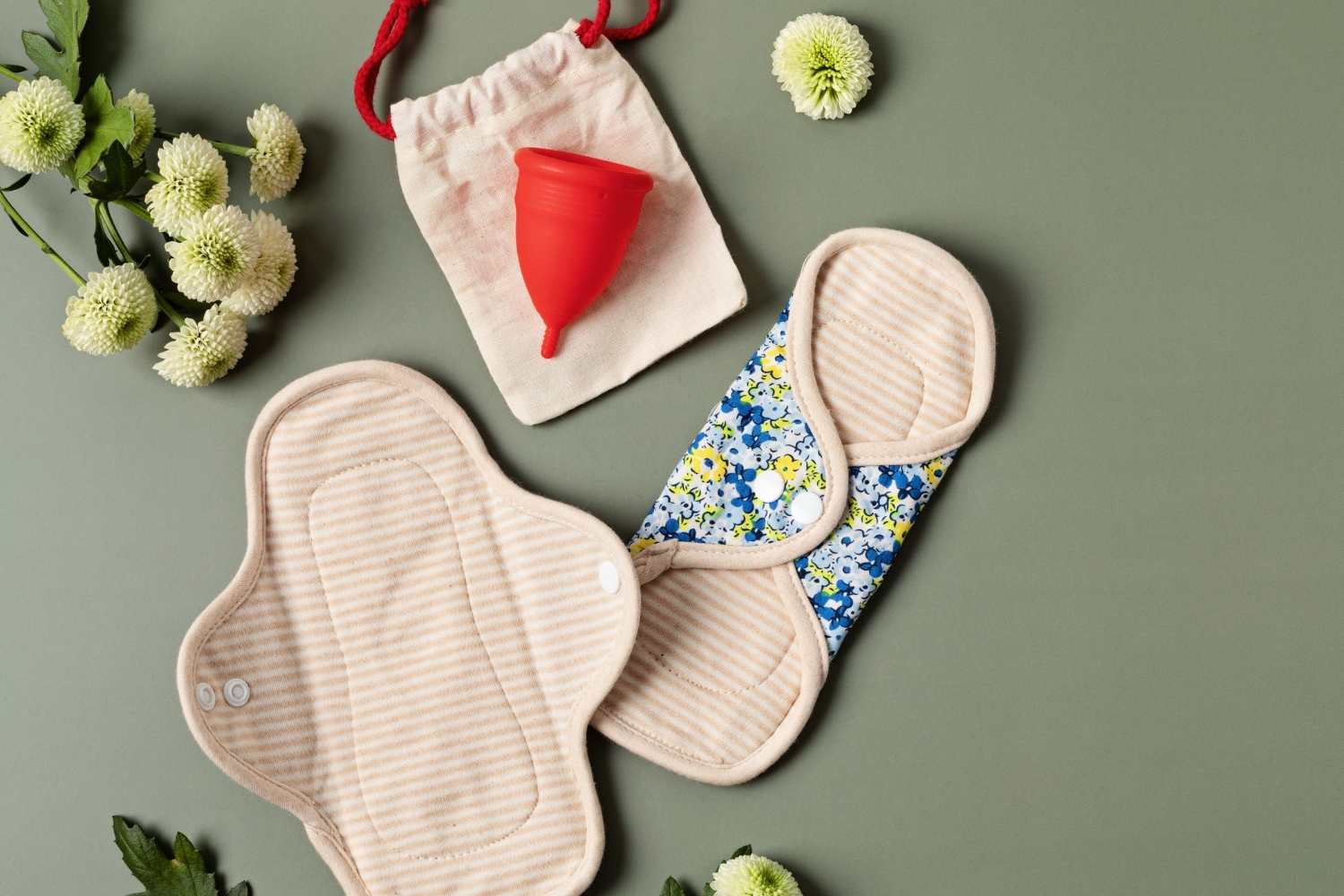
Now, a new study has also found them in the washable absorbents, in menstrual cups and in absorbent briefs, alternatives that we like particularly as they are designed to be more ecological, safe and respectful of the environment.
The research, published in the magazine Environmental Science & Technology Letters and conducted by a team from the University of Indiana, has analyzed 59 reusable female hygiene products belonging to five categories:
The champions came from markets of different areas of the world, including North America, South America and Europe, but The brands have not been known.
What the study discovered
The products were initially subjected to An analysis of total fluorine Through spectroscopy of gamma rays induced by particles (PIGE), a technique used to detect precisely the presence of fluorine – key indicator of the possible presence of PFAS.
The results showed that the 33% of menstrual briefs and 25% of reusable absorbents had over 110 ppm of total fluorinea level compatible with an intentional addition of PFAS in the materials. In other words, in about a third of cases, researchers believe that the PFAS have been used voluntarily, probably to make the fabrics more resistant to spots, liquids and wear.
In a second phase, 19 products among those initially tested were subjected to a more detailed analysis to look for 31 ionic pfas and 11 neutral pfas. And here the confirmation was even more clear: 100% of the selected products was to contain detectable PFAS, even if in different levels and types.
The most abundant substances detected were the fluorotelomeric alcohol 6: 2 and 8: 2 (6: 2 ftoh and 8: 2 ftoh), volatile compounds that can be transformed into even more persistent PFAS once they are absorbed or released into the environment.
The question that we are all asking is: Can they be avoided? The answer is yes. Despite these worrying data, in fact, there is also a positive note. In each category of tested product, at least one item was influented. This shows that it is not technically necessary to use PFAS in the production of reusable absorbents or menstrual panties, and that safer alternatives are already possible and available.
Because PFAS are dangerous
The problem with the PFAS is not only their presence, but also persistence. It is no coincidence that they are called “eternal” because they do not easily degrade, remain in the environment, contaminate water and soil, and accumulate in the human body – in particular in the blood, in the kidneys and in the liver. And even if the long -term effects of skin absorption are not yet completely known, many studies connect the PFAS to hormonal disorders, immune problems and some forms of cancer.
Among other things, Menstrual products are worn in direct contact with an extremely delicate area of the bodyoften for many consecutive hours.
One of the most serious critical issues highlighted by the study is finally the lack of transparency: manufacturers are not obliged to declare the presence of PFAS in their textile products. And with the naked eye it is impossible to distinguish a panty “treated” by a without chemicals. Some brands are moving in the opposite direction, adopting formulations tested by independent or guaranteed “pfas-free” workshops, but they are still too few.
The study does not intend to demonize ecological alternatives to traditional absorption – Also because, in other investigations, the US products were also contained PFAS, at this point better to choose the most green solutions and reduce waste.
It is then important to emphasize that not all the products analyzed in the study presented traces of these substances and that some were completely free of fluorine, demonstrating the fact that Realizing effective menstrual protections without PFAS is possible.
The solution? Do not give up these alternatives, but become more aware consumers: ask for greater transparency from the producers, Inquire, read reliable reviews, and prefer brands that declare the absence of PFAS or that undergo independent tests.
