
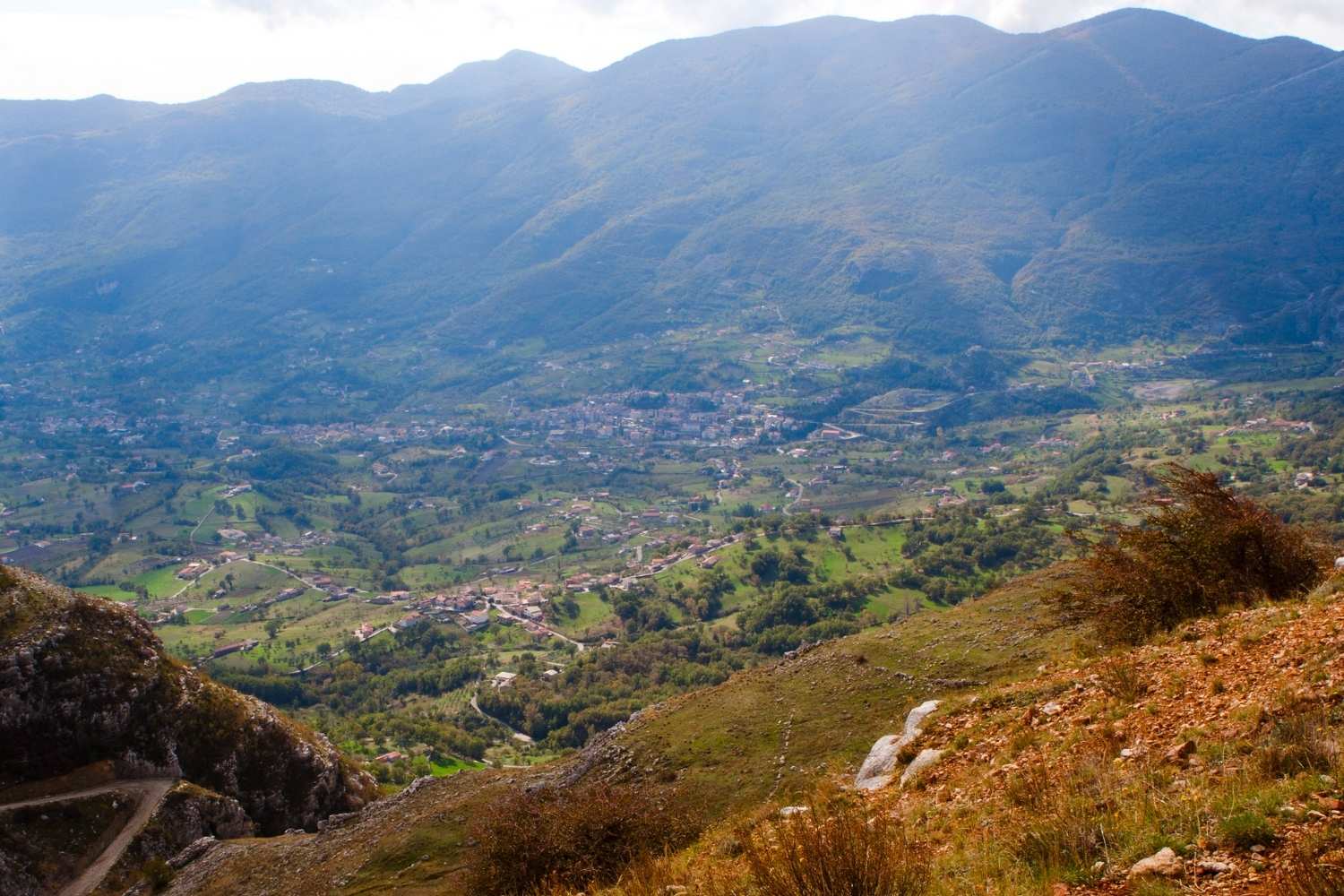
At 819 meters above sea level, Pietraroja, in the province of Benevento, is one of the most interesting places for those seeking an escape from the heat without straying too far from the city. Here there are no large tourist flows or places built for mass tourism, there are only mountains, woods, lots of silence and a community that has maintained a strong bond with the territory. In summer the village ensures a decidedly more pleasant climate than the Campania plain, made up of cooler days and breezy nights, essentially an ideal environment for those who want to sleep better and rediscover a more natural relationship with the environment.
A stone village between history and nature
The name Pietraroja means red stone and recalls the characteristic ferruginous rocks that surround the town. A presence of stone that is not only geological, but part of the very identity of the village. The history of Pietraroja has its roots in antiquity, given that the Samnites passed through these parts, then the Romans, up to the peasant and pastoral communities who over the centuries have shaped the territory through agriculture, livestock farming and handed down knowledge.
The town still retains an authentic atmosphere today, among alleys, stone houses and local traditions, in short, a landscape where the human presence seems to coexist without breaking the balance of the mountain.
The village where “Ciro”, the Italian dinosaur, lived
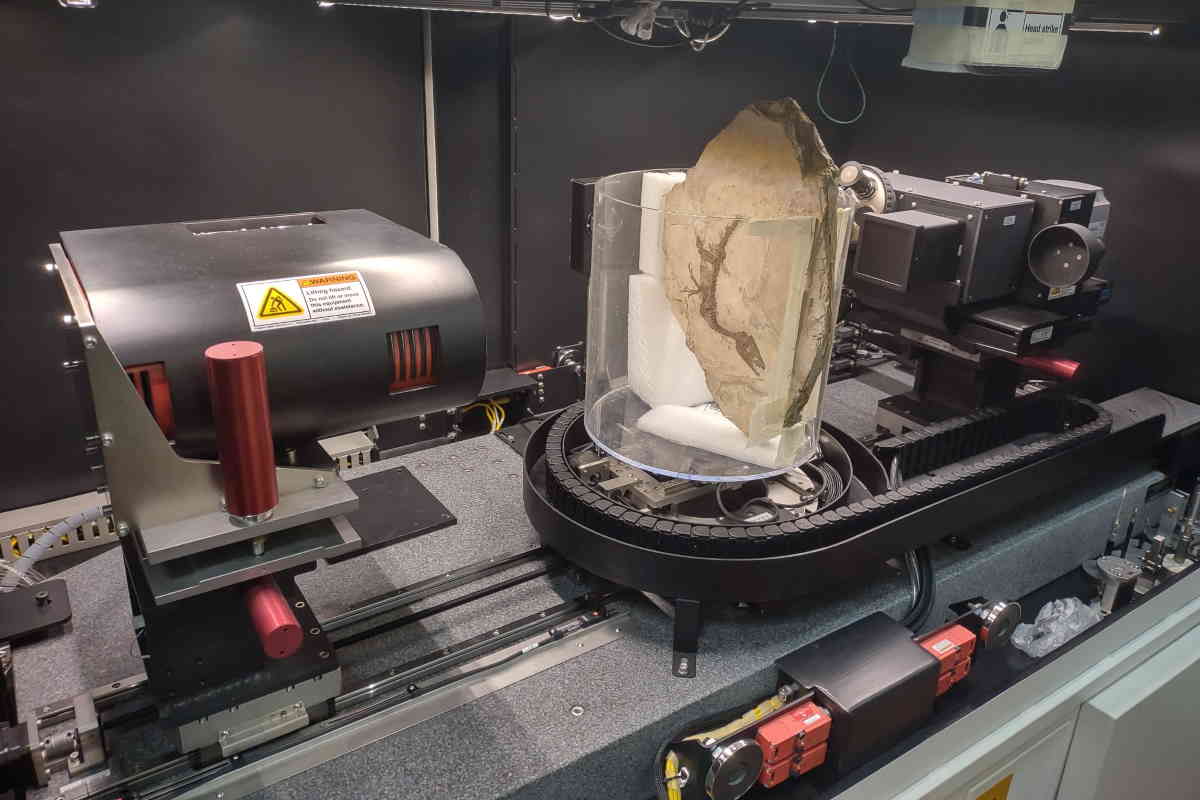
The great treasure of Pietraroja is hidden in its land. In the Cavere paleontological site, near the town, fossils dating back to around 110 million years ago were found, when this area of the Apennines was very different and hosted marine and lagoon environments. The most famous discovery is that of Scipionyx samniticusknown by all as Ciro, the first dinosaur discovered in Italy.
©INGV
It is a baby theropod dinosaur, which has become famous throughout the world for its exceptional state of conservation: the fossil in fact preserves traces of soft tissue and very rare anatomical details. A visit to the Paleolab of Pietraroja allows you to enter into this incredible story and understand how a small village in the Matese area has become an international point of reference for paleontology.
What to see in Pietraroja
The Paleolab and the Cavere site
It is an unmissable visit. A journey back in time to discover fossils, dinosaurs and an area that millions of years ago was completely different from today.
The historic center
The best way to get to know Pietraroja is to walk without haste. The streets of the village tell a story made of stone, craftsmanship and daily life. Here the value is not in finding a single spectacular monument, but in breathing the atmosphere of a still authentic country.
The Civita
The Civita area offers some of the most beautiful views in the area. From the paths you can observe the Matese mountains, the gorges, the woods and the natural environments that surround the town.
What to do: nature, trekking and fresh air
Pietraroja is above all a destination for those who love being outdoors, which is why various routes start directly from the village to explore the Matese Regional Park, among beech forests, prairies and mountains. Among the experiences not to be missed:
One of Pietraroja’s strong points is precisely its biodiversity, which creates a territory where different environments coexist, from rocky areas to woods, up to high altitude pastures.
The flavors of Matese: ham and pecorino
Even the table tells of the profound relationship with the mountain. The gastronomic symbol of the town is Pietraroja ham, produced according to artisanal methods and favored by the particular microclimate of the village, which means clean air at a certain altitude, without forgetting natural maturation, all aspects that contribute to its characteristics. Alongside ham we find pecorino, local cheeses, cured meats and a cuisine linked to local products, the result of work and family traditions.
A green refuge near Naples
Pietraroja can be reached from Naples in about an hour and a half, close enough for an escape from the weekend heat, far enough away to find silence and nature. It is a village that combines elements that are difficult to find together: freshness, biodiversity, history, scientific culture and community.
If Ornica tells of the Lombard mountains that resist depopulation and Oltre il Colle the great landscape of the Orobie, Pietraroja represents the face of the South that is looking for a new summer: less concrete, less sultriness, more woods and a finally human rhythm. A small village where, while the clouds of the Matese pass above your head, under your feet the earth continues to tell stories millions of years old.
