
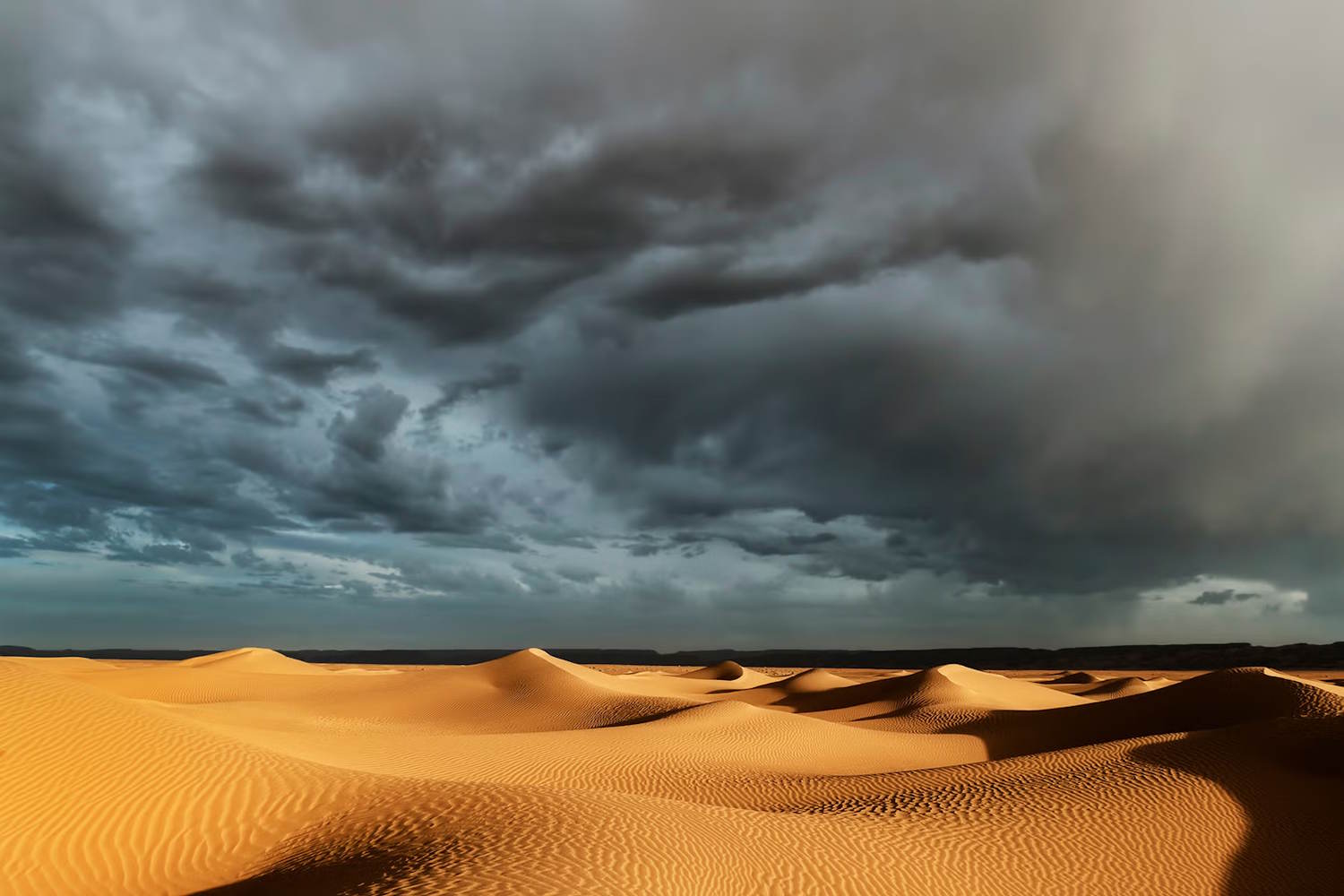
Rain in the Sahara: a scenario that is currently considered a more than rare event, could become “normal” by the second half of the 21st century, this in progress. Rising global temperatures could in fact make the desert much wetter, according to research led byUniversity of Illinois Chicago (USA).
Between 2050 and 2099, the North African desert in particular could experience 75% more precipitation than the historical average and, under extreme climate conditions, an increase in precipitation is also expected in south-eastern and south-central Africa.
Changing rainfall patterns will affect billions of people, both in Africa and abroad – explains Thierry Ndetatsin Taguela, lead author of the study – We must start planning to address these changes, from flood management to drought-resistant crops
Because, as researchers have been repeating for some time (very often unheeded), understanding how increasing temperatures influences precipitation can help in the development of adaptation strategies. Read also: Children born after 2020 will face extreme weather conditions
The authors conducted the study using an ensemble of 40 climate models to simulate summer precipitation in Africa in the second half of the 21st century (2050-2099) compared to the historical period (1965-2014), and analyzed the results of the models both in a scenario that simulated moderate greenhouse gas emissions and in one that simulated very high emissions.
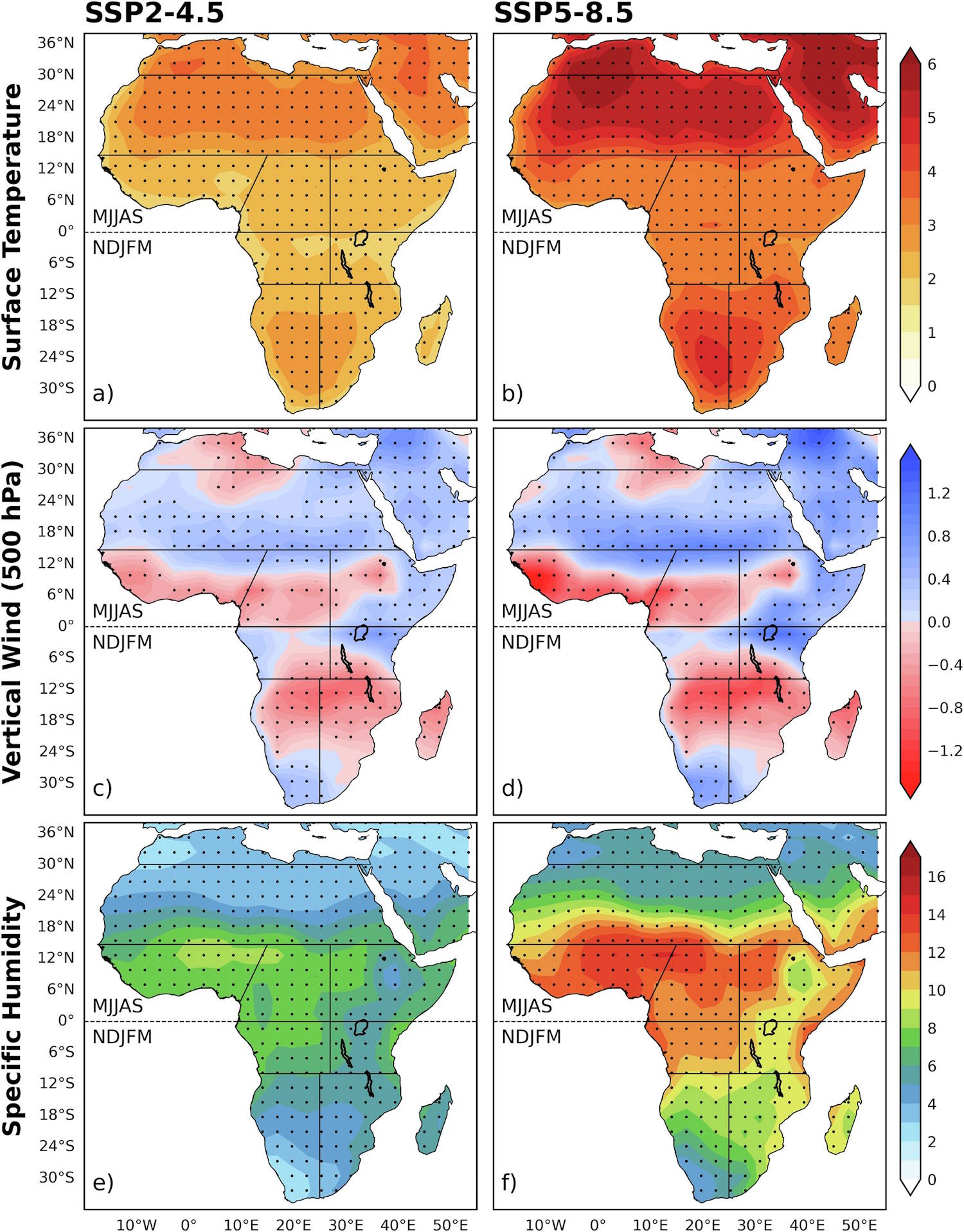
And unfortunately even the second scenario is not so absurd: in fact, according to the Emissions Gap Report 2023: Broken Record – Temperatures hit new highs, yet world fails to cut emissions (again), by UNEP, the globe is quickly running towards an increase of between 2.5 and 2.9 degrees Celsius compared to pre-industrial levels in this century, destined to go well beyond the internationally agreed climate threshold.
Result? Both scenarios show a general increase in rainfall in Africa by the end of the 21st century, albeit with some regional variations. In particular, precipitation in the Sahara Desert is expected to increase by 75%, followed by an increase of 25% in south-eastern Africa and 17% in south-central Africa. In contrast, researchers predict that the southwestern region will be drier, with a predicted drop in precipitation of 5%.
We expect the Sahara to nearly double its historical precipitation levels, which is surprising for such a climatically dry region. However, although most models agree on the general trend towards wetter conditions, there is still considerable uncertainty about the amount of precipitation expected. Improving these models is critical to improving regional projections
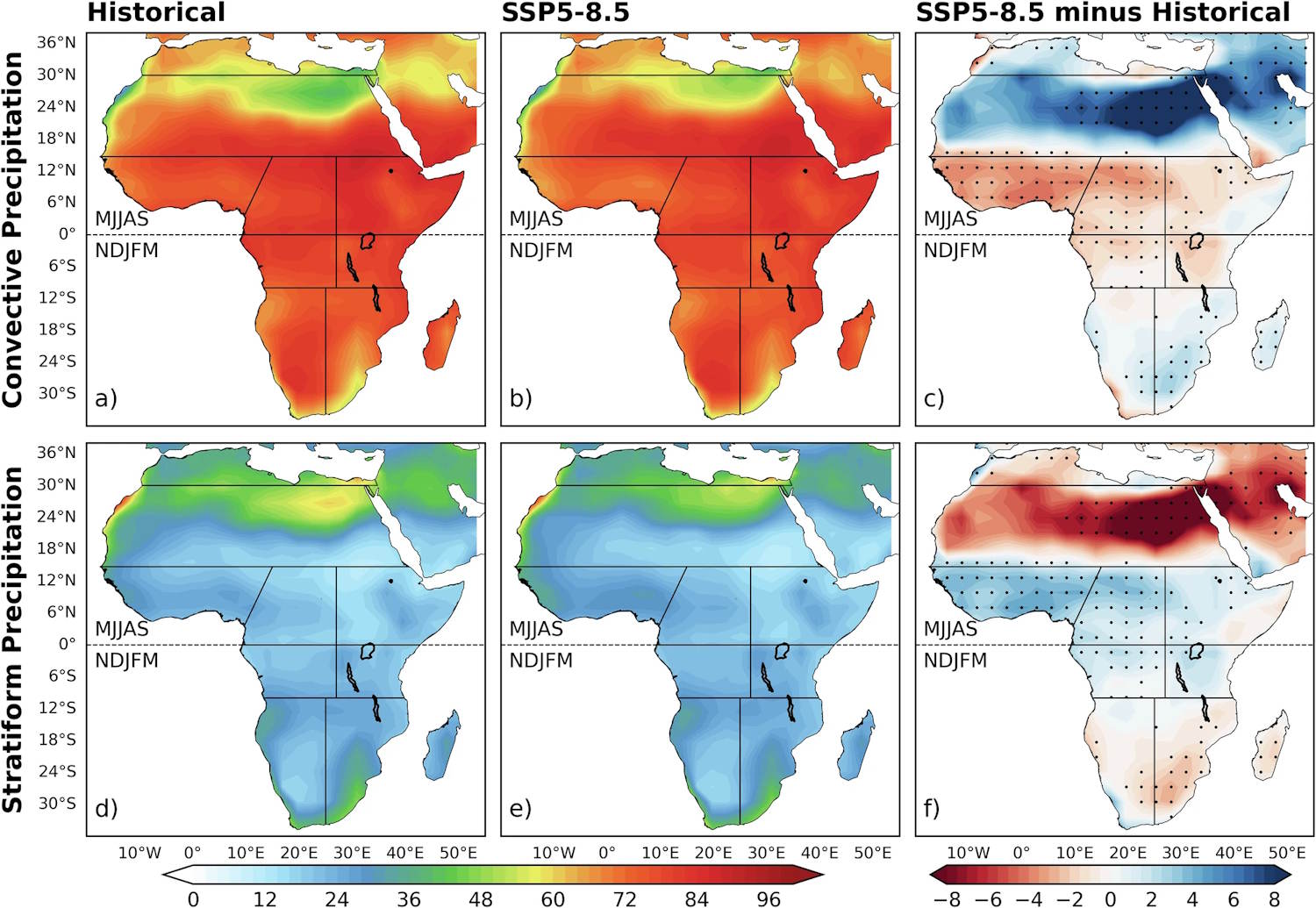
This is largely associated with the effects of climate change, as higher temperatures help the atmosphere hold more moisture, which in turn increases precipitation.
Understanding the physical mechanisms that drive precipitation is essential to developing adaptation strategies that can withstand both wetter and drier futures
he concludes Taguela
Climate change is here and the effects are already being seen, and unfortunately they can only get worse without a decisive change of direction.
The work was published on Npj Climate and Atmospheric Science.
Sources: University of Illinois Chicago / / University of Illinois Chicago/Youtube / Npj Climate and Atmospheric Science
